
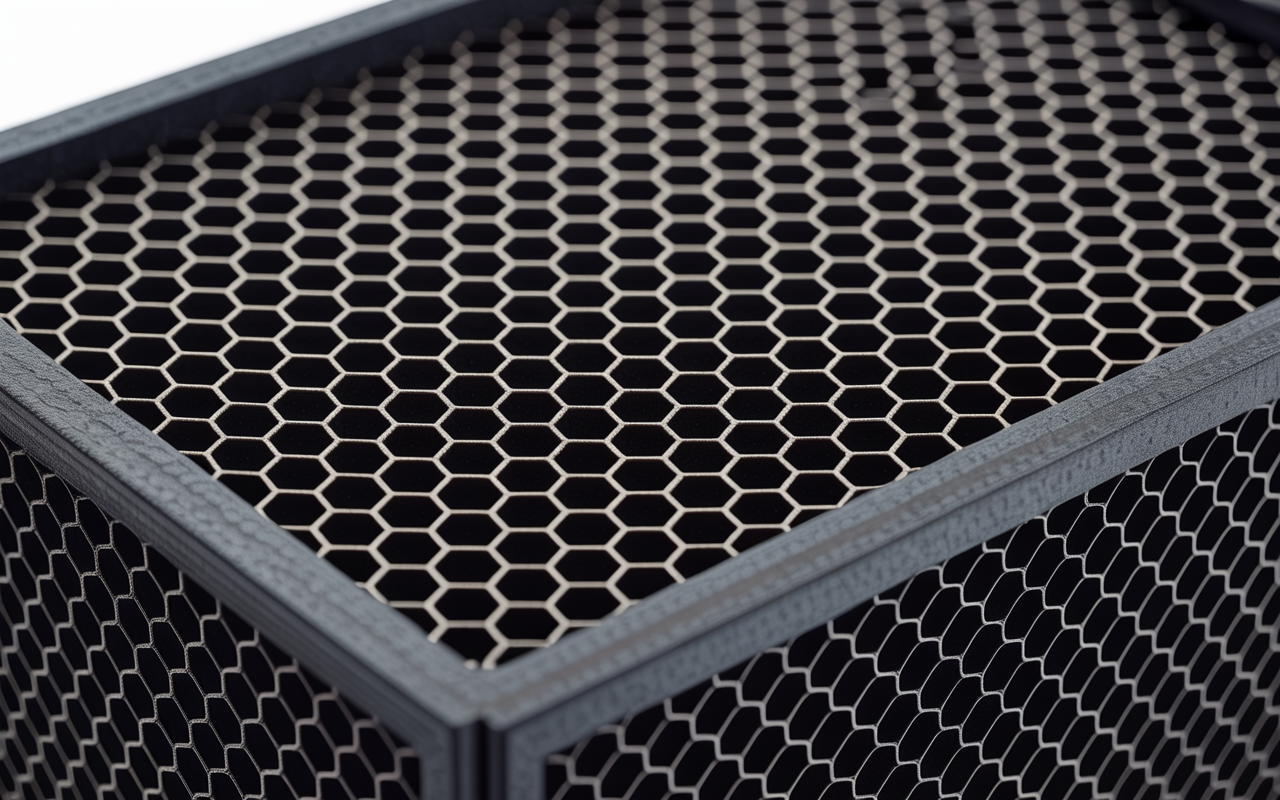
Charcoal Filters for Recirculating Range Hoods in Units and Small Homes
For units, apartments and smaller homes, a recirculating range hood can be a practical way to clear cooking air when ducted exhaust is not possible. In these systems, a charcoal filter is often used to help manage cooking odours before the air is returned to the room, while a grease filter works to catch grease particles from the cooking plume.
Understanding the difference matters when you are choosing replacement filters or checking whether your range hood is set up correctly for your kitchen and building.
What a charcoal filter does in a recirculating range hood
A charcoal filter is a carbon-based odour filter. It is used where the range hood does not vent to the outside and instead pulls air through the hood, filters it, and sends it back into the kitchen.
The main job of the charcoal layer is to adsorb odour molecules from cooking air. This can be useful in kitchens where:
- •the range hood is designed to recirculate rather than duct outside
- •the building layout does not allow external ducting
- •strata, apartment or tenancy conditions limit changes to the building shell
- •a compact home or unit needs a simple indoor cooking ventilation setup
Charcoal filters are not the same as metal grease filters. They are usually part of the odour control stage, not the primary grease capture stage.
How charcoal filters differ from grease filters
Most recirculating range hoods use at least two filter functions. The first is grease capture, and the second is odour control.
A grease filter is designed to trap airborne grease from frying, sautéing and other cooking activities. These filters are often made from metal mesh, baffles or other media intended to collect larger cooking particles before they build up inside the hood.
A charcoal filter is designed to help reduce cooking odours in the air stream after grease has been captured.
In simple terms:
- •Grease filters catch grease particles and help protect the hood’s internal parts from buildup
- •Charcoal filters help with odour control in recirculating systems
That is why a hood can have a grease filter without having an odour filter, but a recirculating hood that is meant to deal with cooking smells usually needs both filter functions to work as intended.
When carbon-based odour filters are used
Charcoal filters are most often used when a range hood cannot discharge air outdoors. This is common in apartments, studio units and some small homes where external ducting is difficult, restricted or not part of the original design.
They are also used where the kitchen installation is specifically built for recirculation. In these setups, the hood draws air in, captures grease, passes air through the carbon-based section, and returns the air to the room.
You may need a charcoal filter if:
- •your range hood manual says it can be used in recirculation mode
- •the hood exhausts back into the kitchen rather than through ducting
- •you notice the hood has a slot or housing made for an odour filter cartridge or pad
- •your building does not permit changes to external walls or roof penetrations
If you are unsure which setup you have, check the hood model details or speak with the building owner, strata manager or mechanical services engineer where relevant. For broader ventilation questions, AS 1668.2:2024 may be relevant, but site requirements should always be confirmed for the specific installation.
What charcoal filters can and cannot do
Charcoal filters can help with cooking odours, but they are not a substitute for proper hood design, air movement or regular maintenance.
They are useful where the goal is to improve the feel of the air in a recirculating kitchen. They can also be part of a neat, low-disruption solution in small homes where ducting is not practical.
It is important to understand their limits:
- •they do not replace grease filtration
- •they do not remove every cooking smell
- •they do not remove all particles from the air
- •their performance depends on the hood design, airflow, cooking habits and filter condition
If you are dealing with persistent cooking odours, the cause may be broader than the charcoal filter alone. Hood airflow, grease loading, filter fitment and kitchen layout can all affect performance.
Choosing the right replacement filter
Not all range hood filters are the same. The correct replacement depends on the hood brand, model and filter housing design. A carbon filter that fits one unit may not suit another, even if the size looks close.
When choosing a replacement, check:
- •the hood make and model
- •whether the hood uses a cartridge, pad or panel-style charcoal filter
- •the size and shape of the filter opening
- •whether the hood also needs a grease filter replacement
- •the installation instructions supplied with the appliance
If you are measuring for a replacement, our guide on how to measure an air filter may help. If the filter is for a custom housing or non-standard setup, custom air filters may be the better option.
Looking after range hood filters
A recirculating range hood works best when both grease and odour filters are kept in good condition.
For maintenance, it is sensible to:
- •inspect filters based on the system, the site conditions and the cooking load
- •follow the hood manufacturer’s instructions
- •check for visible grease buildup or damage
- •monitor pressure drop where gauges are fitted
- •replace or service filters when they no longer fit well or are no longer performing as intended
Some filters are designed to be washable - check the product instructions. Charcoal filters are commonly replaced rather than washed, but the exact approach depends on the product design.
If you are managing filters in a larger building or shared property, our filter servicing and commercial filter servicing pages may be useful as a starting point.
Practical tips for homeowners in units and small homes
In smaller kitchens, odour control often comes down to getting the right filter arrangement and keeping it in good shape.
A few practical pointers:
- •use the hood while cooking, not just after the meal is finished
- •make sure the grease filter is seated properly before switching the hood on
- •keep an eye on whether the hood is recirculating or ducted, as the filter setup is different
- •replace damaged filters rather than forcing them back into place
- •if the hood seems noisy, weak or smells strongly of old grease, the filters may need attention
If you are replacing more than one component, it can help to confirm the whole setup before ordering. A filter that handles grease well will not perform the same role as a carbon odour filter, and the hood usually needs both to work properly in recirculation mode.
Need help finding the right range hood filter?
Total Air Filtration is a family-owned air filter manufacturer and supplier in Hillcrest, Brisbane QLD, established 2009. If you need help matching a charcoal filter, grease filter or custom size for a recirculating range hood, we can help you work out what fits.
Call 07 3800 3448 or request a quote. You can also browse our products or contact us if you would like support with a replacement filter for your home.
Written by
The Total Air Filtration Team
General information only — always follow the instructions for your filter and system. Have questions about this article? We're here to help.