
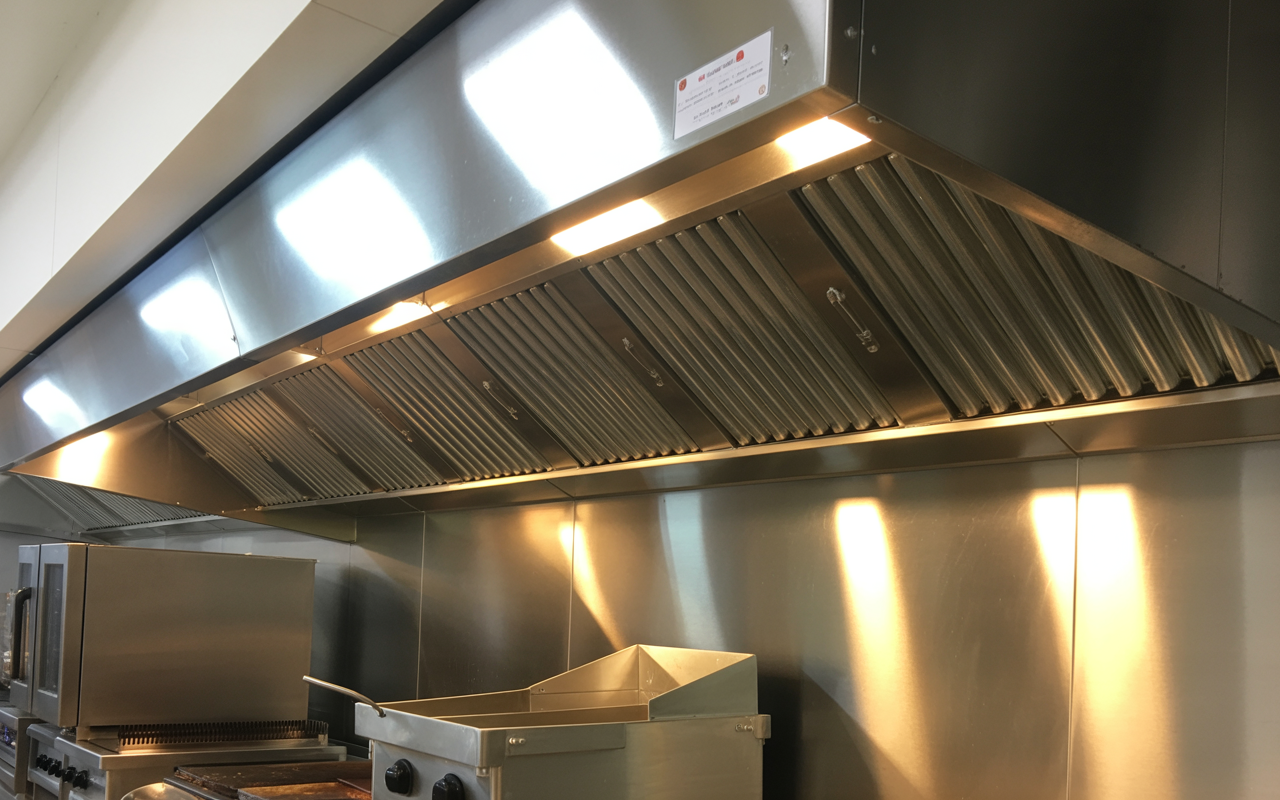
When a Range Hood Filter Becomes a Fire Risk in a Busy Family Kitchen
A range hood works hard in a busy family kitchen, pulling grease, steam and cooking odours away from the cooktop. Over time, though, the filter inside the hood can load up with grease and become less effective at doing its job. When that happens, performance drops and the filter can become a safety concern rather than a simple maintenance item.
Why grease loading matters
Range hood filters are designed to capture airborne grease droplets before they build up in ductwork, fans and surrounding surfaces. As grease collects on the filter media or mesh, airflow through the hood becomes more restricted. The fan may need to work harder to move air, and that can leave more smoke and cooking fumes hanging in the kitchen.
A filter that is heavily loaded with grease is also more likely to become sticky, discoloured and harder to clean. In some kitchens, especially those with frequent frying, roasting or wok cooking, grease can build up faster than homeowners expect. That is why a range hood filter should be treated as a working safety component, not just a removable panel.
For homeowners comparing options, the right filter depends on the hood design, the cooking style and the amount of use the kitchen gets. If you are unsure what you have, how to measure an air filter can help when you need a replacement size.
Signs the filter needs attention
The clearest warning signs are usually practical and visible.
- •The hood seems noisier than usual when operating
- •Airflow feels weaker at the cooktop
- •Grease is visible on the filter surface or dripping from the hood
- •The filter looks dark, sticky or coated rather than merely dusty
- •Smoke lingers longer in the kitchen after normal cooking
- •A persistent burnt grease odour remains around the hood
- •The filter frame or surrounding surfaces are becoming tacky
If a filter is noticeably loaded, do not wait until it is impossible to clean. A filter that is past its useful condition may not sit properly in the frame, may allow grease to bypass the filtration surface, or may contribute to buildup elsewhere in the system.
Some filters are designed to be washable - check the product instructions before cleaning them. If the product is not meant to be washed, forcing it through the sink or dishwasher can damage the filter structure and reduce its ability to capture grease.
How grease loading affects safety
When grease accumulates, the issue is not only reduced performance. Grease is combustible, and a loaded filter creates more fuel in the very place where heat, steam and cooking flames are present. If a cooking flare-up occurs, a heavily contaminated filter can make the situation worse.
Grease buildup can also affect how well the hood contains cooking emissions. Instead of being drawn through the filter and exhausted away, vapours may spread into cabinetry, ceilings and nearby surfaces. Over time, that can leave a coating that is difficult to remove and may create cleaning and maintenance problems.
In practical terms, the safer approach is to treat grease loading as a sign that the filter is no longer functioning as intended. If the filter has become distorted, damaged, or difficult to clean evenly, replacement is usually the better option.
What homeowners should check during routine inspection
Inspection frequency depends on the system, site conditions and dust load, as well as how often the kitchen is used. Follow the filter and equipment manufacturer instructions, and monitor pressure drop where gauges are fitted. If the hood is part of a larger mechanical system, the requirements in AS 1668.2:2024 may also be relevant, but site requirements should always be confirmed with the mechanical services engineer or building owner.
For a home kitchen, a simple visual check can often tell you a lot.
Look for physical signs of loading
- •Grease film across the filter face
- •Blocked mesh or clogged baffles
- •Discolouration that keeps returning after cleaning
- •Warping, dents or loose edges
- •Build-up around the frame, clips or seals
Check how the hood is performing
- •Does the fan clear steam as quickly as it used to?
- •Is the hood carrying cooking vapour away from the cooktop?
- •Is grease collecting on the underside of the hood or nearby cabinetry?
- •Does the filter rattle or sit unevenly when installed?
A change in performance is often the earliest sign that the filter needs attention. If the hood seems underpowered, the issue may not be the fan alone. A loaded filter can be the restriction that is choking the system.
Cleaning, replacing and choosing the right filter
Some range hood filters can be cleaned and reused, while others are intended to be replaced when they are no longer effective. The key is to use the product as intended. Cleaning a washable filter too aggressively can bend the frame or damage the surface, while reusing a disposable filter after heavy loading can leave grease in the system.
If you are replacing a filter, make sure the size, thickness and fixing style match the hood. A filter that is close but not correct can leave gaps, vibrate during use or fail to seat properly. That is where a properly made replacement makes a real difference.
For homeowners needing something specific, custom air filters can be made to suit unusual sizes or equipment requirements. You can also browse our products if you want to compare filter types before ordering.
When to get help
If the filter is repeatedly loading up, the hood is losing performance, or grease is appearing where it should not, it is worth getting advice sooner rather than later. The issue may be the filter itself, but it can also point to a problem with airflow, installation or hood sizing.
A filter specialist can help identify whether the existing filter should be cleaned, replaced or remade to suit the equipment. For kitchens with unusual layouts or custom cabinetry, a made-to-fit solution is often the cleanest way to restore proper fit and function.
Need a replacement filter for your kitchen hood?
Total Air Filtration is a family-owned air filter manufacturer and supplier in Hillcrest, Brisbane QLD, and we can help you find or make the right filter for your range hood or kitchen setup. Call 07 3800 3448 or request a quote.
If you need help checking a size or confirming the best option, you can also contact us or explore our filter servicing options.
Written by
The Total Air Filtration Team
General information only — always follow the instructions for your filter and system. Have questions about this article? We're here to help.