
Range Hood Grease Filters for Apartment Kitchens with Recirculating Hoods
If your apartment kitchen has a recirculating range hood, the filter is doing more than many people realise. It traps grease and cooking residue before air is sent back into the room, so the right replacement needs to fit properly, suit the hood design and be suitable for the way you cook.
At Total Air Filtration, a family-owned air filter manufacturer and supplier in Hillcrest, Brisbane QLD, we regularly help homeowners identify the right replacement for compact kitchen hoods and other building systems. Here’s what to look for when replacing range hood grease filters in an apartment.
How recirculating range hood filters work
A recirculating hood does not vent cooking air outdoors. Instead, it draws air through a grease filter, sometimes followed by an odour-reducing carbon filter, then returns the air to the kitchen.
The grease filter is the first barrier. Its main job is to capture airborne grease droplets and larger particles created while frying, grilling and sautéing. If the grease filter is blocked or damaged, airflow can drop and the hood may become noisier or less effective at capturing cooking fumes.
In apartment buildings, recirculating hoods are common where external ducting is limited or not permitted. Because the air is returned to the room, filter condition matters just as much as the hood fan itself.
Common grease filter types used in apartment kitchens
Metal mesh filters
Metal mesh filters are one of the most familiar types in domestic hoods. They are usually made from layers of aluminium or stainless steel mesh that catch grease as air passes through.
These filters are often removable and easy to inspect. Some filters are designed to be washable - check the product instructions. If a mesh filter is bent, clogged or corroded, it may no longer sit correctly in the frame.
Baffle-style filters
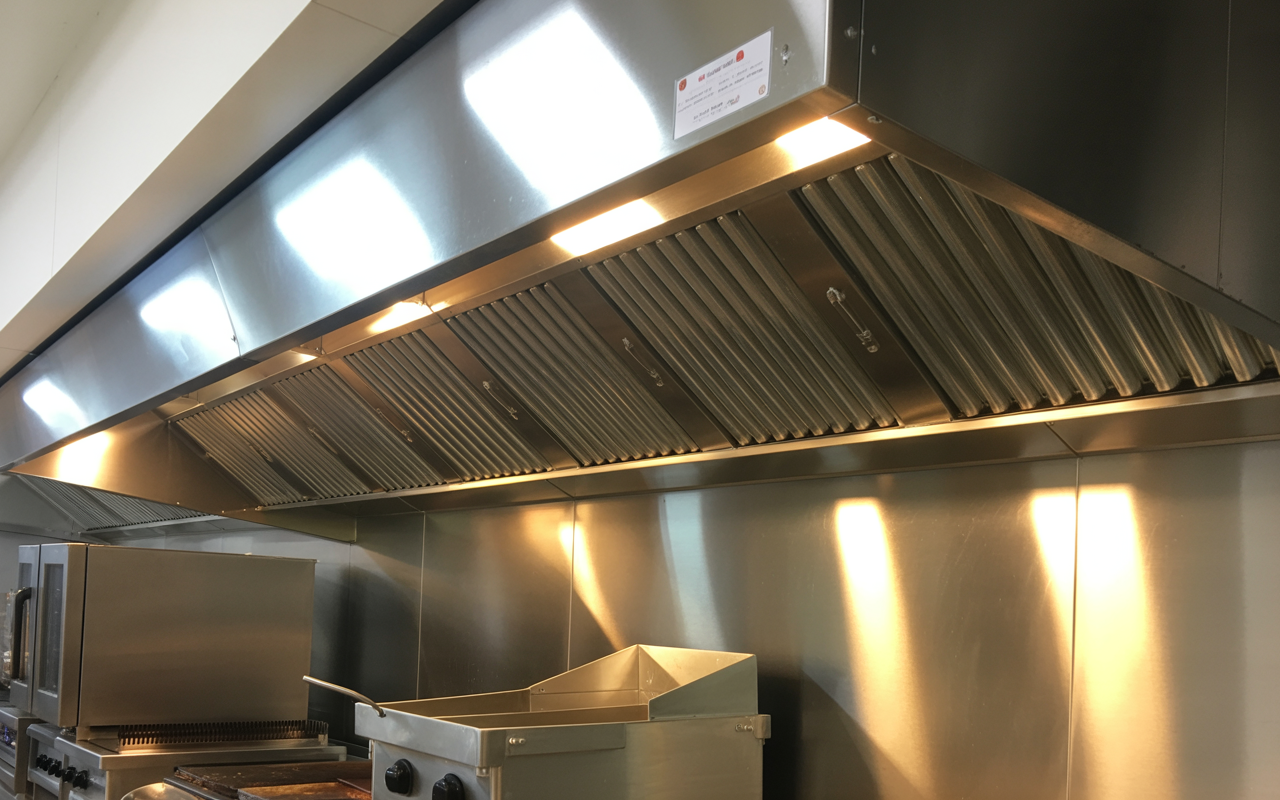
Baffle filters use angled metal plates rather than fine mesh. They are more common in heavier-duty kitchen exhaust systems, but some apartments and compact commercial-style hoods use them.
They work by forcing the air to change direction so grease separates out and drains into the collection area. If your hood originally used a baffle-style filter, replacing it with mesh of a different design is not always suitable.
Carbon filters for odour control
Many recirculating hoods use a separate carbon filter behind the grease filter or attached to the fan assembly. Carbon filters are not grease filters, but they are often part of the same replacement job.
The grease filter captures the oil mist, while the carbon filter helps reduce cooking odours before air is recirculated. If you are replacing the filter set, check whether your hood needs both parts or only the grease filter.
Disposable or replaceable pad filters
Some compact hoods use disposable fibre or felt-style pads. These are typically found in older or very basic units.
They are usually replaced rather than cleaned. If your hood uses this type, it is important to match the original thickness, size and fixing method so the pad stays in place during operation.
What to check before ordering a replacement
Measure the existing filter carefully
Getting the size right is essential. Even a small mismatch can leave gaps, rattle in the frame or stop the hood door from closing properly.
Check:
- •overall length and width
- •depth or thickness
- •lip style, tabs or handles
- •the position of any locating pins, clips or cut-outs
- •whether the filter slides in, hinges out or locks into a frame
If the old filter is distorted, measure the hood opening as well. Our guide on how to measure an air filter is useful if you are unsure how to record the dimensions.
Confirm the hood model and layout
The same apartment building can have different hood makes and sizes installed over time. If you can find the model number, it will usually be on a label inside the hood, behind the filter or near the motor housing.
Also check:
- •whether the filter sits horizontally or at an angle
- •if there is space for a carbon filter behind the grease filter
- •whether the hood needs more than one filter panel
- •whether the filter is a standard item or a shaped component
If the hood has been modified or the original part is no longer available, a custom air filters option may be the better path.
Check the material and finish
For domestic kitchens, aluminium and stainless steel are common choices. The material affects durability, cleaning method and how the filter fits in the frame.
Look for signs of:
- •broken mesh
- •loose solder or weld points
- •warped frames
- •heavy grease build-up that cleaning no longer removes
- •worn seals or edge strips
A damaged filter may still appear usable at a glance, but poor seating can let grease bypass the filter media.
Think about airflow and resistance
A filter that is too dense, heavily loaded or not intended for the hood can restrict airflow. In a recirculating system, that may reduce extraction at the hob and make the motor work harder than necessary.
If you are choosing a replacement, match the original type as closely as possible unless the manufacturer recommends otherwise. For apartment ventilation questions that affect the overall kitchen setup, AS 1668.2:2024 may be relevant, and site requirements should be confirmed with the mechanical services engineer or building owner.
When to inspect and replace
There is no single replacement schedule that suits every apartment kitchen. Inspection frequency depends on the system, site conditions and dust or grease load, and you should follow the filter or equipment manufacturer instructions.
You should also watch for visible signs that the filter needs attention:
- •grease coating that cannot be cleaned off properly
- •damage to the frame, mesh or fixings
- •reduced airflow from the hood
- •unusual noise or vibration
- •odour lingering longer than usual after cooking
If pressure drop gauges are fitted, monitor them and use the reading as part of your maintenance decision. That is especially useful where the hood is used often or for heavier cooking.
Washable, replaceable and special-purpose options
Some filters are designed to be washable, while others are intended to be replaced when they reach the end of their useful life. The right choice depends on the hood design and the product specification.
If you are comparing options, keep these points in mind:
- •washable does not mean every filter can be cleaned the same way
- •some hoods need a grease filter plus a separate carbon filter
- •a replacement should match the original fixing method and size
- •a different material may change how the filter fits or performs
If you are dealing with an older apartment hood, a non-standard size or a discontinued part, it may be simpler to source a made-to-order replacement rather than compromise on fit.
Ordering the right replacement with confidence
Before you buy, have the hood model, filter dimensions and a clear photo of the existing part ready. If you are unsure, remove the filter and check the frame, edge profile and mounting points carefully.
You can browse our products for standard filter options, or contact us if your hood needs something more specific. We also work with homeowners who need one-off replacements or shaped filters for older kitchen units.
Need help matching a range hood filter?
Total Air Filtration can supply or make the right replacement for many recirculating apartment kitchen hoods, including standard and custom sizes. We are a family-owned business in Hillcrest, Brisbane QLD, and you can call us on 07 3800 3448 or request a quote.
If you need guidance before ordering, contact us and send through the hood details or measurements.
Written by
The Total Air Filtration Team
General information only — always follow the instructions for your filter and system. Have questions about this article? We're here to help.