
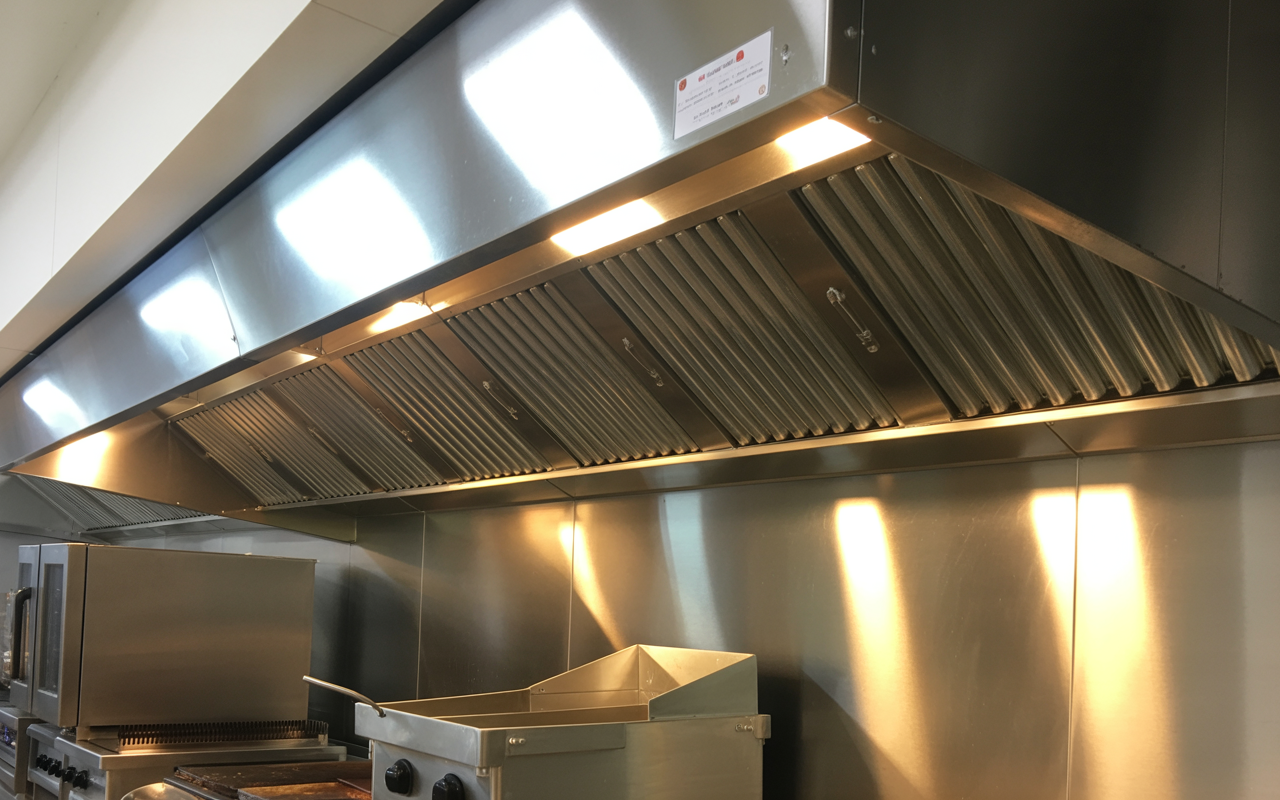
Choosing Range Hood Filters for Island Hoods in Open-Plan Kitchens
Open-plan kitchens put the range hood on display, so the filter has to do more than just fit the frame. It needs to sit properly, support good airflow and capture grease effectively, especially when the cooktop is mounted on an island and odours can drift into the living area.
For homeowners, the challenge is often finding a filter that matches the hood exactly rather than assuming a near-enough size will do. A poor fit can affect extraction, increase noise and leave more airborne grease where you do not want it.
Why island hoods need careful filter selection
Island-mounted range hoods work in a more exposed setting than wall-mounted units. Air can move freely around the cooktop, which is useful for the room layout but harder for the hood to control.
That means the filter choice matters in three ways:
- •Fit: the filter must seat correctly in the hood frame without gaps or rattling
- •Airflow: the filter should allow the hood to move air efficiently rather than making the fan work harder than it should
- •Grease capture: the filter should help trap grease before it builds up inside the hood or escapes into the room
In an open-plan space, poor extraction is more noticeable because cooking vapour, grease and odours are not contained by walls. If the hood is undersized, fitted with the wrong filter type, or maintained poorly, you may notice lingering residue on nearby surfaces and less effective capture over the cooktop.
Get the fit right first
Before choosing a replacement filter, check the hood brand and model if you can. Many island hoods use baffle filters, mesh filters or cartridge-style filters that are made to suit a specific housing size and mounting arrangement.
A correct fit is important because it helps the hood pull air through the designed path. If a filter sits loosely or does not cover the intake properly, air can bypass the filter media or leak around the edges.
What to check before ordering
- •The hood model number, usually on a label inside or around the canopy
- •The existing filter’s dimensions and shape
- •Whether the hood uses one large filter or multiple smaller sections
- •How the filter locks, slides or clips into place
If you are measuring an existing filter, use the hood opening and the filter frame as your guide. Our guide on how to measure an air filter can help where a replacement needs to match an existing size or panel arrangement.
If the filter is no longer available off the shelf, a custom-made option may be the best path. You can explore custom air filters when a standard size does not suit the hood.
Airflow matters as much as capture
A common mistake is choosing a filter that looks robust but restricts airflow too much for the hood and ducting setup. With island hoods, the fan often needs to work against a more open room layout, so the balance between capture and resistance is important.
A filter that is too restrictive can contribute to poor air movement through the hood. That can mean more recirculation around the cooking area, more noise and less effective removal of grease-laden air.
When comparing options, think about how the filter design supports the hood’s intended airflow path:
- •Baffle filters are often used where grease capture and easier cleaning are priorities
- •Mesh filters can be suitable in some hoods, provided they are the correct size and maintained properly
- •Charcoal or carbon filters are used in some recirculating systems to help with odour, but they do not replace the need for grease capture in the hood
Always follow the hood manufacturer’s instructions for the filter type the unit was designed to use. If the hood is part of a larger mechanical ventilation arrangement, AS 1668.2:2024 may be relevant, and site requirements should be confirmed with the mechanical services engineer or building owner.
Grease capture in open-plan kitchens
Grease capture is not just about keeping the hood cleaner. It also helps keep the kitchen easier to maintain by reducing the amount of sticky build-up that can collect inside the canopy, on the fan components and on nearby surfaces.
Island hoods often need to deal with rising cooking plume from all sides, so the filter should be able to intercept grease consistently across the active surface area. A well-fitted filter helps the airflow pass through the intended media rather than spilling around the edges.
If you cook often, or if your kitchen sees heavy frying, grilling or high-heat cooking, the filter surface can load up faster. That does not mean the hood has failed; it means the system needs closer observation and cleaning in line with the manufacturer’s instructions.
When maintenance is due
There is no one-size-fits-all schedule. Inspection frequency depends on the system, site conditions and dust load, and it is best to follow the filter and equipment manufacturer instructions. If the hood or ductwork has pressure gauges fitted, monitoring pressure drop can help indicate when servicing is needed.
Some filters are designed to be washable - check the product instructions before cleaning. If a filter is not washable, forcing it through a wash cycle can damage the media or frame and reduce performance.
Matching the filter to the way you cook
The best filter for an island hood is the one that suits your cooking habits, hood design and cleaning routine. A household that cooks lightly may have different needs from a busy kitchen that sees frequent pan frying, roasting or wok cooking.
Useful questions to ask before buying include:
- •Is the hood ducted outside or recirculating?
- •Does the hood require grease filters only, or grease plus odour control?
- •Is the existing filter a standard size or a made-to-order item?
- •Can the filter be removed easily without disturbing the hood structure?
- •Is the replacement designed for the same frame depth and latch style?
If you are unsure, it is better to check than to guess. The wrong fit can lead to a frustrating installation and disappointing performance.
Where to get the right filter
For a family-owned air filter manufacturer and supplier based in Hillcrest, Brisbane QLD, established in 2009, Total Air Filtration can help homeowners find the right fit for island hoods and other ventilation needs.
We can supply standard options and make filters to suit specific hood sizes, with practical guidance to help you choose the right product for airflow and grease capture. If you need support with a replacement or a made-to-order filter, please request a quote or contact us.
You can also browse our products or learn more about the sectors we support through industries we supply. For help with ongoing maintenance, see our filter servicing page.
If you would like to talk through your island hood filter requirements, call Total Air Filtration on 07 3800 3448 and we will help you work out the right option.
Written by
The Total Air Filtration Team
General information only — always follow the instructions for your filter and system. Have questions about this article? We're here to help.