
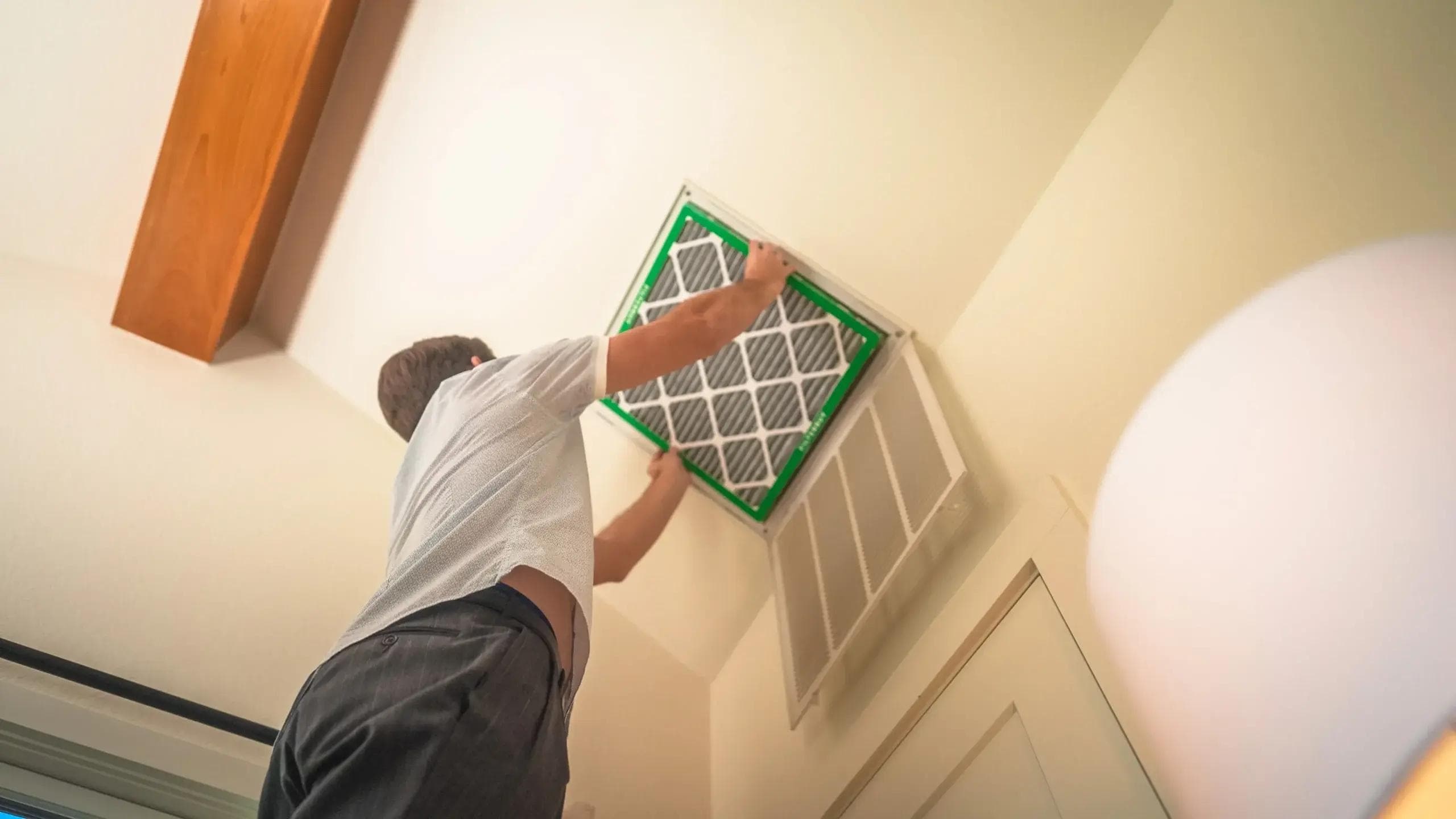
Filtering Fine Dust in Acreage Homes with Dirt Roads and Open Windows
Acreage homes often feel wonderfully open, but that openness can also bring in fine dust from dirt roads, paddocks, machinery, gardens and prevailing winds. If windows are opened for fresh air or ventilation, dust can travel further indoors than many homeowners expect, especially when air returns, doorways and roof spaces give it easy paths inside.
For rural property managers and homeowners, the key is not just fitting a filter, but choosing one that suits the way dust moves through the property. The best result usually comes from matching the filter to the entry points, the equipment, and the actual dust load on site.
Where dust usually enters on acreage properties
Dust entry is often more about airflow patterns than about one single doorway or window. On rural properties, the most common sources tend to be predictable, but they can be easy to overlook.
Common entry points
- •Open windows and louvres, particularly on windy days or when roads are dry
- •Doorways that stay open for long periods, including sliding doors and garage access
- •Return air grilles in homes with ducted air conditioning or mechanical ventilation
- •Roof spaces and wall gaps where outdoor air leaks into the building envelope
- •Detached sheds, workshops and studios where equipment is opened and closed frequently
- •Areas near dirt driveways, horse arenas, stockyards, quarries or unsealed roads
Fine dust can settle on surfaces quickly, but it also hangs in the air long enough to be pulled through ventilation systems. Once it gets into the ducted system, it can keep circulating unless the filtration is suited to the dust level.
Choosing filters for frequent dust ingress
If dust is a regular part of daily life on the property, a light-duty filter may not be enough. The aim is to capture airborne particles without choking the system or creating avoidable maintenance problems.
What matters when selecting a filter
- •Particle size: fine dust needs a filter that can catch smaller particles, not just larger visible debris
- •Airflow resistance: a filter that is too restrictive for the system can reduce airflow and place unnecessary strain on equipment
- •Dust-holding capacity: sites with constant dust ingress usually benefit from filters that can hold more material before performance drops
- •System fit: the right size and seal are essential, because dust can bypass a poorly fitted filter
- •Access for inspection: if the filter is hard to reach, it is more likely to be neglected
In many Australian sites, G3/G4 and F5-F9 are still used as familiar EN 779 class references, although EN 779 has been superseded by ISO 16890. MERV, EN 779 and ISO 16890 do not convert directly, so it is better to select a filter based on the actual system and dust conditions rather than trying to translate ratings.
If you are unsure what the system can take, the mechanical services engineer or building owner should confirm site requirements, particularly where ventilation is designed to align with AS 1668.2:2024.
Filter types that can suit dusty rural homes
There is no single filter that suits every acreage home. The right choice depends on whether the system is a simple split unit, ducted cooling, fresh air intake, or a more complex ventilation setup.
Practical filter options to consider
- •Pleated panel filters for general dust capture where a balance of airflow and filtration is needed
- •Pocket filters where a larger dust-holding area is useful in higher-load systems
- •Pre-filters in staged systems, helping catch larger particles before they reach finer filters
- •Carbon filters where odour control is also a concern, such as near animals, composting or machinery fumes
- •HEPA filters in specialised systems where very fine filtration is required; H13 is at least 99.95% and H14 is at least 99.995% efficient at the most penetrating particle size under EN 1822
HEPA is not suitable for every system, because higher efficiency often means higher resistance. If the equipment was not designed for that type of filter, airflow can suffer. The filter has to suit both the dust and the machine.
Some filters are designed to be washable - check the product instructions before reusing one, and never assume a washable product is suitable simply because it can be cleaned.
Managing open windows without pulling in excess dust
Many acreage homes rely on open windows for comfort, but open windows can also act as direct pathways for outdoor dust. Rather than avoiding fresh air altogether, it helps to manage how and when windows are opened.
Ways to reduce dust entry
- •Open windows on the sheltered side of the home when conditions allow
- •Close windows during grading, mowing, harvesting, or when vehicles are using dirt driveways
- •Use door seals and insect screens to reduce direct dust movement where practical
- •Keep return air intakes away from obvious dust sources where the layout allows it
- •Check that ceiling and wall penetrations are properly sealed
- •Use entry mats and housekeeping routines to limit tracked-in dust
If a home or office on the property is being planned or upgraded, it is worth thinking about dust paths early in the design process. A filter can only work well if the surrounding airflow is also sensible.
Inspection and servicing on dusty sites
On properties with frequent dust ingress, filter condition can change quickly. Rather than relying on a fixed calendar schedule, inspection frequency should be based on the system design, site conditions and actual dust load.
What to check during inspections
- •Visible dust loading on the filter face
- •Damage to the media, frame or seal
- •Signs of bypass around the edges
- •Changes in airflow at registers or vents
- •Pressure drop where gauges are fitted
- •Any unusual odour or contamination that suggests the system needs attention
Follow the filter and equipment manufacturer instructions for replacement or servicing, and keep an eye on pressure drop if the system includes gauges. If the filter is reaching its limit faster than expected, the site conditions may call for a different filter type or a staged arrangement with a pre-filter.
For homes with workshop areas, farm offices or shared accommodation, filter servicing can also be part of a broader maintenance program. If the setup is more complex, filter servicing may be worth considering, and larger premises can also look at commercial filter servicing.
Getting the right fit matters as much as the rating
A good filter in the wrong size will not perform well. Dust can slip around the edges, and even a high-efficiency media will not help much if the frame does not seat correctly.
If you are replacing an existing filter, measure carefully before ordering. Frame depth, width and height all matter, and many systems use non-standard sizes on site-built or older rural properties. If you are unsure, use how to measure an air filter as a guide, or choose custom air filters for a better fit.
Total Air Filtration is a family-owned air filter manufacturer and supplier in Hillcrest, Brisbane QLD, established in 2009, and we work with homeowners and property managers who need filters suited to real site conditions rather than just a label.
Need help choosing a filter for your property?
If your home, shed or office is dealing with regular fine dust from dirt roads and open windows, we can help you match the filter to the system and the site. Total Air Filtration can supply or make the right filters for your setup, and you can call 07 3800 3448 or request a quote.
You can also explore our products or contact us if you want help working out the right size, type or arrangement for your property.
Written by
The Total Air Filtration Team
General information only — always follow the instructions for your filter and system. Have questions about this article? We're here to help.