
How to Prepare Your Air Conditioning Filter for Queensland Wet Season Conditions
Queensland’s wet season can put extra pressure on air conditioning systems, especially where damp outdoor air, tracked-in moisture and heavier indoor use combine. When a filter starts to load up with moisture, dust can cling more readily, airflow can become restricted and the system may struggle to deliver the comfort you expect.
For homeowners, landlords and mechanical contractors, wet weather is a good reminder to inspect the whole filter setup, not just the media itself. A clean, correctly fitted filter helps the system breathe properly, while a neglected one can contribute to poor airflow, uneven temperatures and nuisance odours in the conditioned space.
Why wet season conditions affect air conditioning filters
Wet season weather changes the way dust behaves. Instead of staying dry and loose, fine particles can become sticky as humidity rises, which makes them cling to filter fibres and housing surfaces more easily.
That matters because filter loading is not only about visible dirt. In damp conditions, you may also see:
- •faster build-up of lint, dust and debris on the upstream face
- •softened filter media if moisture is repeatedly present
- •reduced airflow when the filter surface becomes matted or unevenly loaded
- •odours developing from dust and moisture sitting in the system
- •condensate-related staining or grime around the return air path
If the filter is doing its job but the system is pulling in humid, dusty air, the pressure drop across the filter can rise sooner than expected. That is why wet season inspection should focus on both the condition of the filter and the operating symptoms of the air conditioning system.
What to look for during a wet season inspection
A quick visual check can reveal a lot, but it should be done carefully and with the system powered down where required by site procedures.
Look for the following:
- •a grey or darkened filter face, especially on the return air side
- •visible dust tracks or dirt bypassing around the frame
- •a bowed, collapsed or damaged filter panel
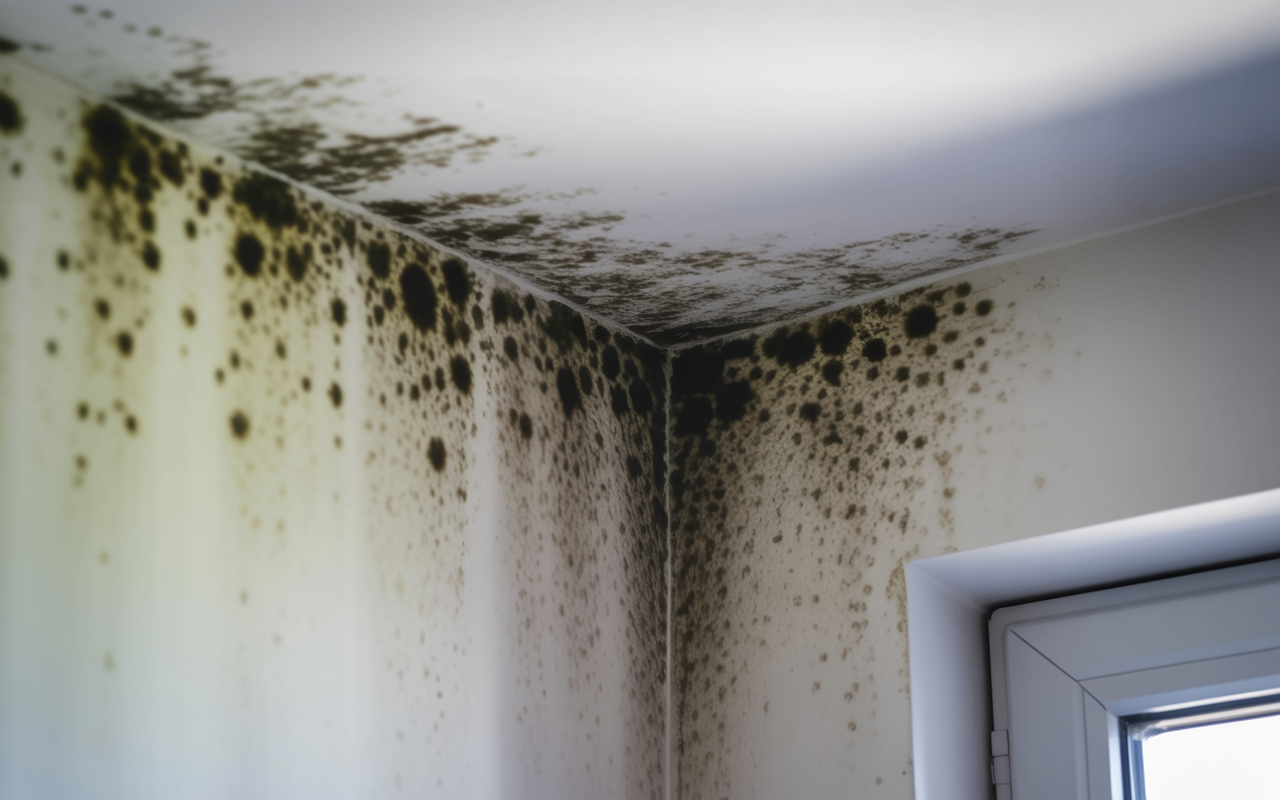
- •damp patches, mould growth or a musty odour near the filter slot or return grille
- •loose seals, missing clips or gaps that allow unfiltered air to pass around the media
- •water staining or signs of condensate where the filter sits
If the filter is reusable in your system, only clean or wash it if the product instructions say it is designed to be washable. If not, replace it with the correct type and size for the equipment.
For anyone unsure of the correct dimensions, how to measure an air filter is a useful place to start. A poor fit can let air bypass the filter, which reduces performance regardless of how good the media is.
How moisture and loading affect airflow and comfort
An air conditioning filter does not just catch particles. It also affects how easily air moves through the system. As the filter loads with dust and damp debris, resistance increases and the fan has to work against a tighter pathway.
In practical terms, this can show up as:
- •weaker air movement from supply outlets
- •rooms taking longer to cool or dehumidify
- •more noticeable temperature differences between spaces
- •a system that seems louder as the fan works harder
- •stale or heavy indoor air where return airflow is limited
For mechanical contractors, it is worth checking whether the installed filter type suits the actual wet season conditions at the site. A filter that performs well in a dry, low-dust environment may not be the best choice for a coastal, high-humidity or high-traffic building where dust and moisture arrive together.
If the site uses commercial ventilation equipment, confirm the filter arrangement with the mechanical services engineer or building owner, and refer to site requirements and AS 1668.2:2024 where relevant.
Maintenance tips for Queensland wet season
The best maintenance approach is to inspect based on the system, the site and the dust load rather than relying on a fixed calendar. Some buildings need closer attention during wet weather because doors are opened more often, condensation is more likely, and outdoor debris is tracked inside.
Use these practical checks:
- •inspect the filter housing for moisture before fitting a new filter
- •make sure the frame, rails and seals are clean and dry
- •check that the filter sits squarely and is not pinched or distorted
- •remove debris from the return air grille and surrounding cavity
- •look for signs of condensate carry-over, blocked drains or wet insulation nearby
- •monitor pressure drop where gauges are fitted, and compare readings with the manufacturer’s guidance
If a filter is repeatedly loading quickly, the issue may be upstream or downstream of the filter itself. Common causes include leaks, poor sealing, inadequate pre-filtration, damp return air pathways or a filter grade that is not well matched to the application.
Choosing the right filter for damp conditions
Wet season preparation is not only about cleaning and replacement. It is also a good time to check whether the current filter specification suits the environment.
Consider the following points:
- •whether the system needs a different filter depth or frame style for better dust holding
- •whether the installation is prone to moisture exposure around the filter slot
- •whether a higher dust-holding design would suit the site better
- •whether the filter is intended for return air, supply air or a specialised process
- •whether some filters are designed to be washable, if the product instructions confirm this
If you are comparing grades, be aware that MERV, EN 779 and ISO 16890 ratings do not convert directly. In Australia, G3/G4/F5-F9 are still commonly referenced EN 779 classes, although the standard has been superseded by ISO 16890. Avoid assuming one rating system maps neatly onto another.
For higher-efficiency applications, the exact filtration requirement should be matched to the system design. If HEPA is specified, remember that H13 is at least 99.95% efficient and H14 is at least 99.995% efficient at the most penetrating particle size under EN 1822.
If you are working on a building upgrade or specifying replacements, our products and custom air filters can help you compare options that suit the equipment and the site conditions.
When to replace rather than clean
A filter that is torn, warped, water-damaged or still smells damp after cleaning should not be put back into service. If the media has lost its shape or the frame no longer seals properly, replacement is usually the safer and more reliable option.
Replacement is also sensible when:
- •the filter has visible mould growth or persistent moisture damage
- •the media is loaded unevenly and airflow remains poor after inspection
- •the frame or gasket has deteriorated
- •the filter does not match the current equipment arrangement
- •the site conditions have changed and the existing product no longer suits the duty
For landlords and property managers, keeping a record of filter type, size and observed condition makes future inspections easier. For contractors, it also helps when ordering replacements or planning filter servicing and commercial filter servicing.
Getting the system ready before the wet weather settles in
A little preparation before the wet season peaks can save time later. Check the filter, confirm the fit, inspect the housing and make sure the system is not trying to operate with blocked airflow or damp debris sitting in the return path.
Total Air Filtration is a family-owned air filter manufacturer and supplier in Hillcrest, Brisbane QLD, and we can supply or make the right filters for your system. For help with sizing, supply or replacement options, call 07 3800 3448 or request a quote.
If you are comparing options for a specific site, you can also contact us or view the industries we supply.
Written by
The Total Air Filtration Team
General information only — always follow the instructions for your filter and system. Have questions about this article? We're here to help.