
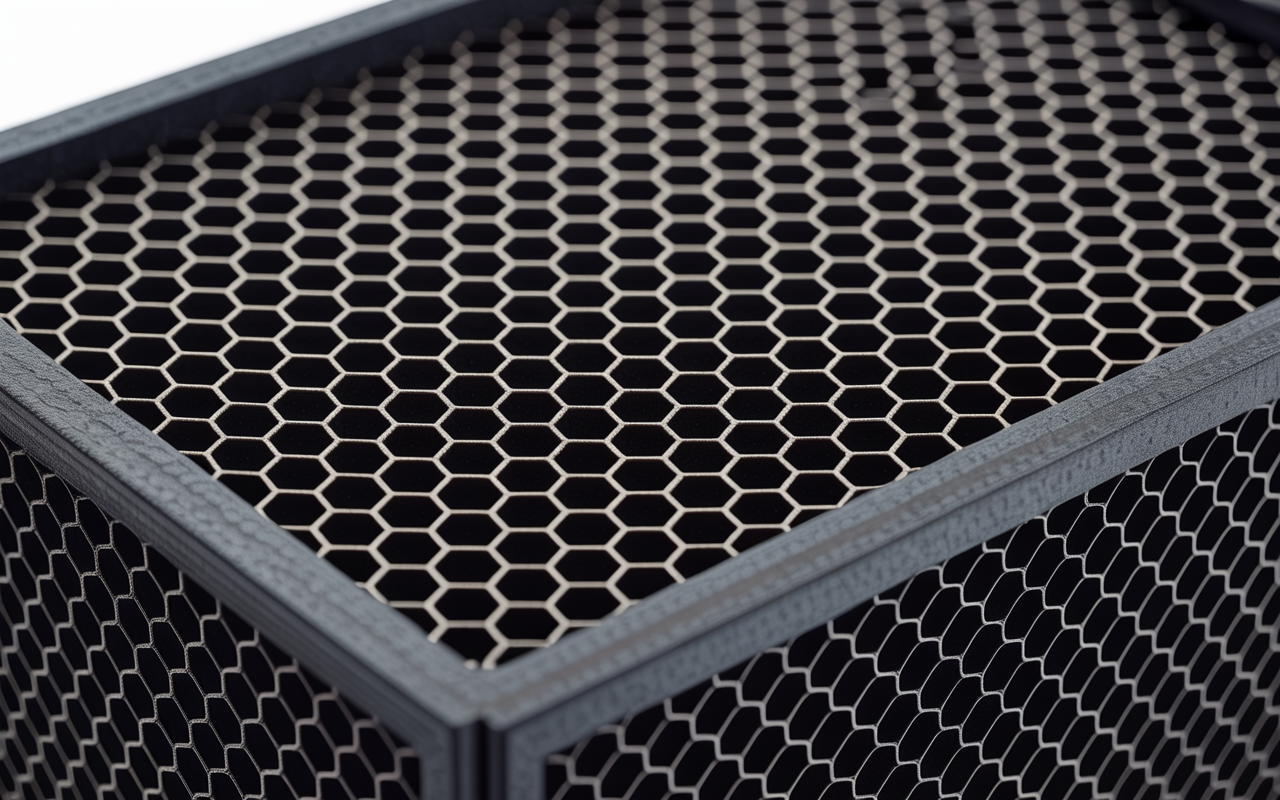
Filters for Townhouses Backing Onto Busy Courtyard BBQ Areas
Townhouses that back onto shared courtyards can have a simple but frustrating problem: smoke and odour from neighbouring BBQ areas drift into bedrooms, living rooms and upper-storey windows. When the layout places fresh-air intakes, sliding doors or operable windows close to the source, the usual airflow pattern can bring cooking fumes indoors instead of carrying them away.
The right filter setup will not stop smoke at the source, but it can help capture airborne particles and support cleaner recirculated air inside the townhouse. For homeowners and strata managers, the key is understanding where the air is entering, what the system can handle, and which filter type suits the equipment already installed.
Why BBQ smoke finds its way inside townhouse layouts
Courtyard BBQ areas often sit directly below or beside windows, balconies and ground-level living spaces. Warm smoke rises, then moves with small air currents, wind shifts and pressure differences between units. In a townhouse environment, that can mean odour and fine particles linger around façades and entry points long after the cooking has finished.
A few common layout factors make the issue worse:
- •bedroom windows facing the courtyard
- •split-level designs with stairwells that move air between floors
- •mechanical ventilation intakes located near shared outdoor areas
- •gaps around doors, window frames or service penetrations
- •exhaust fans that draw air from the courtyard side rather than from cleaner directions
If the building has central or shared mechanical ventilation, the system may also pull in outdoor air that has been affected by the BBQ area. In that case, filter selection and intake location need to be considered together.
What filters can and cannot do
A filter can capture particles carried in smoke, such as soot and fine airborne debris. It can also help improve the quality of recirculated air inside the unit when paired with a suitable fan or ducted system. A filter does not remove the odour source itself, so it should be treated as part of a wider air management approach rather than the only fix.
For odour-heavy situations, the most practical options are often a combination of filtration and ventilation control. Depending on the system, that may include:
- •a higher efficiency particulate filter for the recirculated air path
- •activated carbon media where odour control is required and the equipment allows it
- •better sealing around windows and doors so smoky outdoor air is less likely to leak in
- •checking whether the air intake can be repositioned away from the courtyard side
If you are unsure what your system can support, it is worth speaking with the mechanical services engineer or building owner before changing filter grades or media types. For buildings designed under AS 1668.2:2024, site requirements should still be confirmed for the actual installation.
Choosing the right filter type for the system
The best filter depends on whether the townhouse uses ducted air conditioning, a ventilation unit, a split system with return-air filtration, or a broader shared mechanical setup. In many homes, the existing filter slot limits what can be fitted, so the physical size and frame style matter as much as the efficiency rating.
For ducted or central systems
If the system recirculates indoor air, a suitable particulate filter can help reduce the fine smoke particles that pass through the return air path. In some cases, a carbon stage may be added to target odour, provided the fan and housing can handle the added resistance.
It is important not to assume that a higher-rated filter is always better. A filter that is too restrictive for the fan or cabinet can reduce airflow, increase pressure drop and make the system work outside its intended range.
For individual rooms or portable units
For bedrooms affected by courtyard BBQ smoke, a portable purifier or room unit may be a practical add-on where building alterations are not possible. The filter media inside these units should be selected to suit the room size and the contaminants present. Some filters are designed to be washable - check the product instructions.
If the unit is being used specifically for smoke, look at whether it has a proper particulate stage and, where appropriate, an odour-control stage. The exact choice depends on the model and the airflow it can deliver.
For special or hard-to-match sizes
Townhouse systems often use filters that are not standard retail sizes. When the existing filter frame is unusual, damaged or custom-built, custom air filters can be the practical option. Matching the size properly matters because a loose fit can allow smoky air to bypass the media altogether.
If you are unsure how to check dimensions, how to measure an air filter is a useful starting point before placing an order.
Practical steps for homeowners and strata managers
For a single townhouse, the quickest improvements often come from a mix of filter checks and small airflow adjustments. For a strata-managed complex, the same problem may need a coordinated response across multiple lots or shared plant.
Useful actions include:
- •inspect return-air and supply grilles for dust build-up and damage
- •check whether replacement filters are sealing correctly in the frame
- •confirm that kitchen, bathroom and laundry exhaust fans are discharging as intended
- •review whether nearby doors and windows are creating a direct smoke path into bedrooms
- •look at courtyard planting, screens or barriers that may be redirecting smoke toward the building
- •ask whether the ventilation intake location can be reviewed during maintenance or upgrades
Inspection frequency depends on the system, site conditions and dust load. Follow the filter and equipment manufacturer instructions, and monitor pressure drop where gauges are fitted. If the filter is loading up quickly because of regular courtyard cooking, the issue may be more about the surrounding environment than the filter itself.
When the existing setup is not enough
Some townhouse layouts need more than a standard replacement filter. If smoke repeatedly enters the same rooms, it may be worth considering whether the system needs a different media type, a better sealed housing or a redesigned intake path.
This is especially relevant where:
- •the townhouse is directly adjacent to a shared BBQ zone
- •the same rooms are affected every time the courtyard is used
- •the current filter slot only accepts a very basic panel filter
- •the system appears noisy or underperforming after a filter change
- •the smell is entering even when windows are closed
In those cases, it can help to review the filter specification with the building’s maintenance team or a mechanical services professional. If the system is part of a larger building arrangement, strata managers should keep records of filter sizes, access points and any changes to the air handling equipment.
Getting the right fit for the job
Total Air Filtration is a family-owned air filter manufacturer and supplier in Hillcrest, Brisbane QLD, established 2009. We supply standard and custom filter solutions for homes, strata properties and a wide range of building applications.
If you need help matching a replacement filter, choosing a better particulate media, or finding a size that fits an unusual housing, we can help you work through the options. Explore our products, learn more about filter servicing, or contact us to discuss the best fit for your townhouse or strata property.
For advice or to order the right filter, call 07 3800 3448 or request a quote.
Written by
The Total Air Filtration Team
General information only — always follow the instructions for your filter and system. Have questions about this article? We're here to help.