
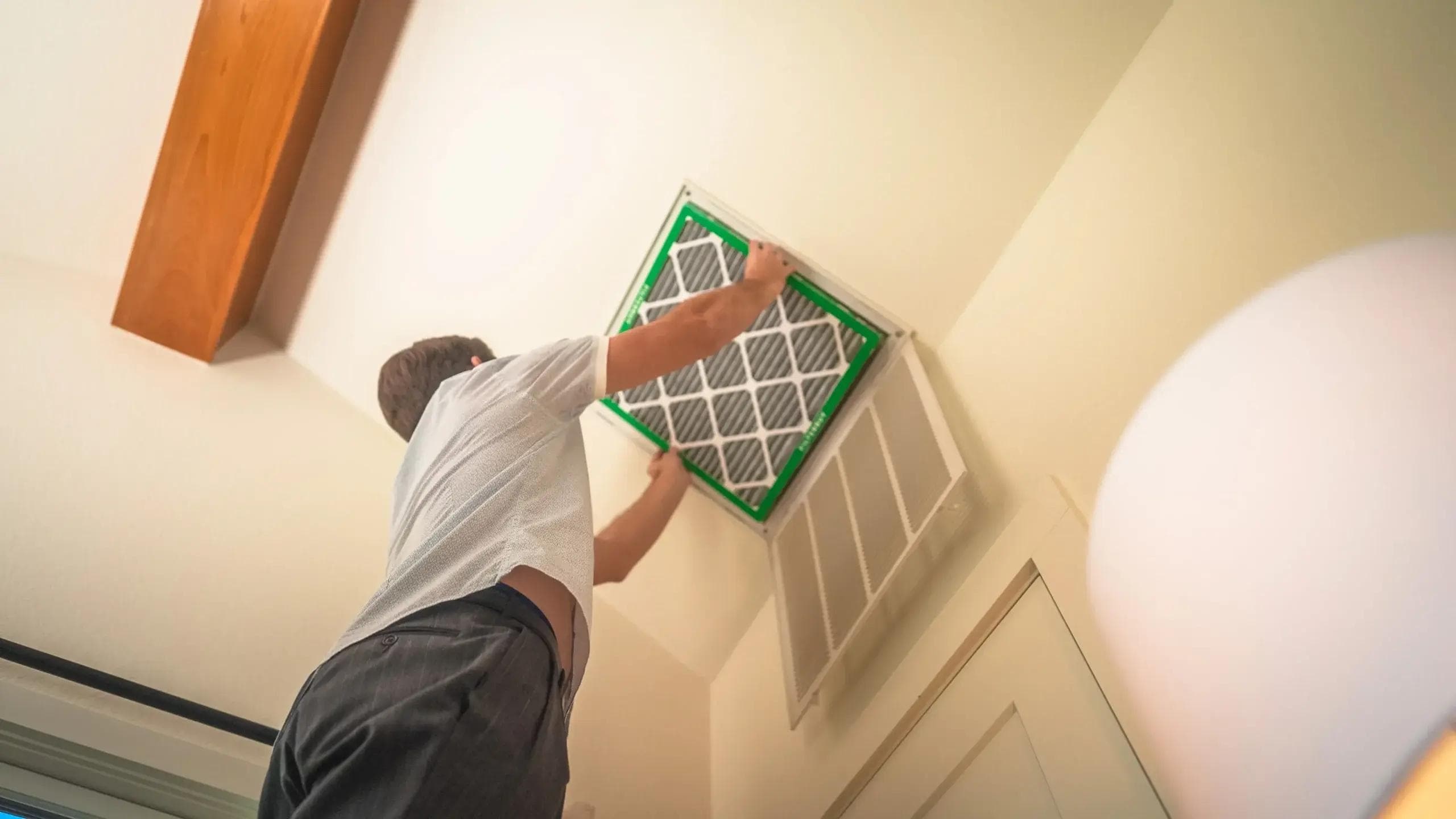
How to Measure an Existing Filter Correctly Before Ordering a Custom Replacement
When a filter needs replacing, the old one is often the best starting point, but only if it is measured correctly. A filter that looks close enough can still leave gaps, sit loosely in the frame, or bind during installation, which can lead to bypass around the edges and poor sealing at the opening.
If you are a homeowner, facility manager or mechanical contractor, taking accurate measurements before you order a custom replacement saves time and helps ensure the new filter matches the actual space, not just the label on the old one.
Why the old label is not always enough
The size printed on the frame may not tell the full story. In many systems, the nominal size on the label is rounded or based on the intended opening rather than the exact outside dimensions of the filter media and frame.
That is why a replacement should be checked against the filter itself and the opening it fits into. Small differences in depth, frame profile or corner detail can affect how the filter seats in the track or rack.
A proper fit matters because:
- •the filter can sit squarely in the frame
- •the seal around the edges is more likely to be even
- •the filter is less likely to twist, rattle or leak air around the perimeter
- •installation is simpler when the depth and frame style match the holder
If you are unsure whether you need a standard size or a custom-made unit, custom air filters can be the better path when the opening is unusual, worn or no longer matches standard dimensions.
Measure width, height and depth the right way
Use a rigid tape measure if possible, and measure in millimetres. Do not rely on a flexible ruler if you can avoid it, because it can bow and give a false reading.
Width and height
Measure the outside dimensions of the filter frame, not just the visible media area. If the old filter has a cardboard, metal or plastic border, include that full border in your reading.
Take each measurement across the widest practical points.
- •Width: measure from one outer side to the other
- •Height: measure from top to bottom
- •Record the measurements exactly as they are, even if they are not a neat round number
If the filter appears slightly compressed or distorted, check the opening as well. A filter can be squashed after use, so the old unit may be smaller than the slot it was originally made for.
Depth
Depth is often the dimension that gets missed. Measure from the front face to the back face of the frame, again including the full frame thickness.
This matters because:
- •the filter may not fit into the rail or frame if it is too deep
- •a shallow filter may leave extra movement in the holder
- •some systems need a specific depth to support the media properly
If the filter uses a holding clip, spring or sealing strip, note how much space those parts need so the replacement does not conflict with the hardware.
Check the frame style before ordering
The outside size is only part of the job. The frame style tells you how the filter is meant to fit and seal.
Look closely at the old filter and the opening it came from. You may see one of several common styles:
- •flat panel frame
- •pleated panel frame
- •cardboard or paperboard frame
- •aluminium or galvanised metal frame
- •plastic frame
- •frame with a gasket, foam strip or sealing lip
Also check how the filter sits in the equipment:
- •does it slide into side tracks?
- •does it sit against a gasketed face?
- •does it clamp into a holding frame?
- •does it rely on a lip or flange to stop movement?
If the frame style is wrong, the filter may technically be the right size but still not seal correctly. That can leave openings where air bypasses the filter media.
If you are dealing with commercial plant, it can help to cross-check the arrangement with the equipment documentation or with the mechanical services engineer or building owner, especially where AS 1668.2:2024 may be relevant to the broader ventilation setup.
Measure the opening, not only the used filter
A worn filter can hide the true size of the opening. If the filter has bowed, swollen from dust, or been bent during removal, use the slot or rack dimensions as your second check.
Measure the opening at several points:
- •across the top and bottom
- •down the left and right sides
- •at the front and back of the holder if there is a channel or depth stop
You are looking for the usable opening, not just the nominal cabinet size. In older systems, the opening may have changed over time because of repairs, frame wear or previous modifications.
This is especially important if the replacement is a custom filter or if the existing filter was made to suit a non-standard rack.
Watch for signs of bypass and poor seating
A filter can be the correct size on paper and still perform poorly if it does not seat properly. Before you order a replacement, inspect the old filter and the frame for clues.
Look for:
- •dust lines around the frame edge
- •crushed corners
- •gaps where the frame meets the housing
- •a damaged gasket or sealing strip
- •bent tracks, rails or clips
- •signs that the filter has been inserted off-centre
If the old filter shows dust around the edges rather than just across the media, that can suggest air is taking an easier path around the filter. In that case, replacing the filter alone may not be enough if the frame or housing also needs attention.
If the system is used in a commercial building or plant area, filter servicing can help with inspection, replacement and checking the fit of the new unit in the existing frame.
Match the filter to the application, not just the dimensions
Once you have the measurements, the next step is to make sure the replacement suits the system. Different applications can use different media types, dust-holding needs and resistance levels.
When comparing options, consider:
- •whether the filter is for HVAC, dust control or specialised equipment
- •whether the frame needs a gasket or rigid border
- •whether the system uses a panel, pleated, bag or other format
- •whether the product instructions mention a specific orientation or install direction
If the site uses a rated filtration arrangement, remember that MERV, EN 779 and ISO 16890 do not convert directly, so avoid assuming an equivalent size or performance level from another system. EN 779 G3/G4/F5-F9 class terminology is still widely used in Australia, even though ISO 16890 has superseded it.
For high-efficiency applications, HEPA references need care as well. H13 is at least 99.95% and H14 is at least 99.995% efficiency at the most penetrating particle size under EN 1822.
Washability should also be checked on the product itself. Some filters are designed to be washable - check the product instructions before cleaning or reusing one.
Practical tips before you place the order
Before you send the measurements, take a few minutes to confirm the details. A clear order reduces delays and helps avoid a replacement that nearly fits but not quite.
Include:
- •exact width, height and depth in millimetres
- •a photo of the old filter and the frame if possible
- •notes on the frame material and sealing style
- •the equipment make and model if available
- •any visible damage to the housing, rail or gasket
If you are replacing more than one filter in a bank, measure each position. Not every slot in an older installation is identical, and slight variations can matter.
If you want a simple visual reference while measuring, our how to measure an air filter guide can help you compare what you see in the frame with what you need to record.
Need a custom replacement that fits properly?
Total Air Filtration is a family-owned air filter manufacturer and supplier in Hillcrest, Brisbane QLD, established 2009. We can help supply or make the right filter when the opening is non-standard or the existing unit no longer matches the frame.
If you are ready to discuss a replacement, call 07 3800 3448 or request a quote. You can also contact us if you need help checking dimensions before you order.
Written by
The Total Air Filtration Team
General information only — always follow the instructions for your filter and system. Have questions about this article? We're here to help.