
Best Filter Setup for Homes Near the Bushfire Smoke Path on Brisbane’s Fringe
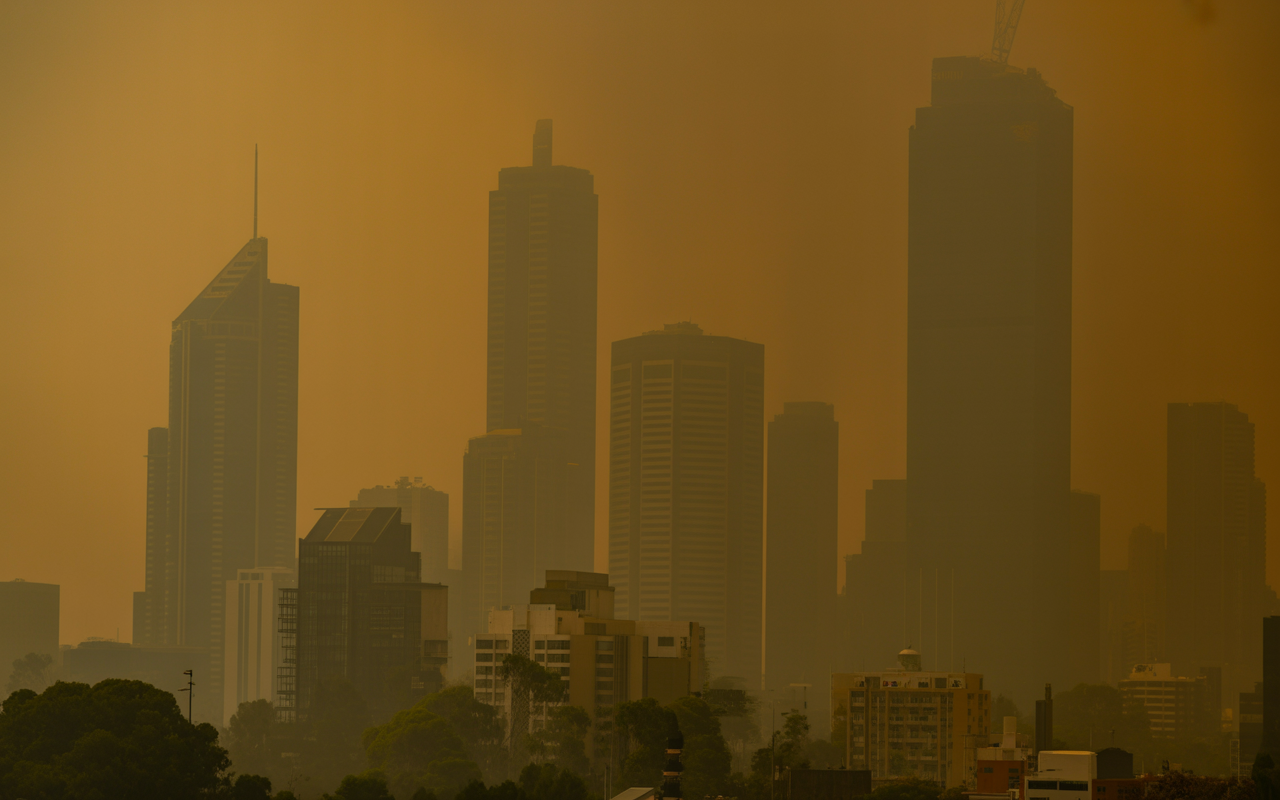
Bushfire smoke can drift a long way from the fire front, and homes on Brisbane’s fringe often cop a mix of outdoor smoke, dust and fine ash entering through ducted systems, ceiling cavities and everyday leakage points. If your house sits in a suburban or semi-rural pocket with more open exposure, the right filter setup can make a noticeable difference to the air moving through your system.
The goal is not to overcomplicate things. It is to choose filters that capture smoke particles effectively, fit the system properly, and are practical to maintain when outdoor air quality changes quickly.
Start with the system you already have
Before changing filter type, take a close look at how air moves through your home. Ducted systems can pull in outdoor air through intentional ventilation paths, but they can also draw in unfiltered air through gaps around grilles, ceiling penetrations, return air points and poorly sealed ducts.
That means the best filter setup is not only about the filter media. It is also about how well the whole system is sealed and maintained.
For homeowners, a good starting point is to check:
- •where the return air grille is located
- •whether the filter fits snugly without bypass gaps
- •whether the ductwork has visible leaks, gaps or loose connections
- •whether there are dusty ceiling spaces or other openings that may allow smoke to enter
- •whether the fan motor and cabinet look clean and serviceable
If you are unsure what size or type your system takes, how to measure an air filter is a useful place to start before ordering anything.
What kind of filter works best for smoke-laden air
Bushfire smoke contains very fine particles, so a basic low-grade filter may not be enough if you want to improve capture at the system level. In many Brisbane fringe homes, a higher-efficiency pleated filter is a practical step up from a coarse panel filter, provided the system can handle the extra resistance.
In plain terms, you want a filter that balances three things:
- •particle capture
- •airflow
- •fit
If the filter is too restrictive for the system, airflow can suffer and the system may not perform as intended. If it is too coarse, more fine smoke particles can pass through.
For some homes, especially where the system design allows it, higher-grade filter media may be worthwhile. In other homes, the better option is a well-fitted filter that is changed or inspected as needed and paired with better sealing around the system.
If you are comparing product types, our products page is a helpful starting point, or you can speak with us about custom air filters if your system uses a less common size or frame.
EN 779, ISO 16890 and MERV are not direct matches
If you are shopping around, you will see different rating systems used on different products. MERV, EN 779 and ISO 16890 do not convert directly, so it is best not to rely on a simple one-to-one comparison.
In Australia, you may still see G3/G4 and F5-F9 references on some products. These are EN 779 classes and are still widely used here, even though ISO 16890 has superseded EN 779 in many settings.
The practical point is this: ask what the filter is designed to capture, how it fits the system, and whether the airflow remains suitable for your equipment.
Sealing matters almost as much as the filter itself
A good filter can only work on the air that actually passes through it. If smoke is sneaking around the filter or through leaky parts of the house, you are not getting the full benefit of the setup.
This is especially relevant in suburban and semi-rural homes where ceiling spaces, outdoor vents and older ducted installations may allow more leakage than owners realise.
Useful steps include:
- •checking the filter frame and housing for gaps
- •sealing obvious leaks in duct joints where appropriate
- •making sure return air paths are not blocked by furniture or stored items
- •keeping external openings in good condition
- •checking for loose ceiling fittings that may allow smoky air to move into the living space
If your home has mechanical ventilation or a more complex ducted arrangement, AS 1668.2:2024 may be relevant to the ventilation design. Site requirements should be confirmed with the mechanical services engineer or building owner rather than assumed.
When a washable filter may or may not suit the job
Some filters are designed to be washable, but that depends on the specific product. Check the product instructions carefully before cleaning anything and avoid assuming that every reusable-looking filter can be washed safely.
Washable options can be convenient in some homes, but for smoke-prone conditions you still need to think about capture efficiency, airflow and how the filter performs after cleaning.
A few practical questions to ask before choosing:
- •Is the product intended for your type of system?
- •Does it still fit properly after cleaning?
- •Does the manufacturer specify any cleaning method or drying requirement?
- •Is the surface loading visible enough to inspect easily?
If the filter is not easy to access, or if the home sees repeated smoky conditions, a more straightforward replaceable filter may be the better option.
How often to inspect and replace depends on the site
There is no single schedule that suits every Brisbane fringe home. Inspection frequency depends on the system, the local dust load, whether smoke has been present, and how the equipment is used.
Rather than relying on a fixed calendar, follow the filter and equipment manufacturer instructions and monitor pressure drop where gauges are fitted. That gives a better picture of when a filter is becoming loaded and when airflow may be affected.
You should also inspect more closely after periods of heavy smoke, windy dust conditions or nearby ground activity that stirs up fine particles.
Signs the filter may need attention
- •reduced airflow at vents
- •visible discolouration or heavy dust loading
- •odour lingering longer than usual when the system runs
- •pressure drop increasing where a gauge is installed
- •dust appearing around return grilles or supply registers
If the filter is difficult to remove or the system has repeated bypass issues, filter servicing may be the better path than trying to manage it casually at home.
A practical setup for homes on Brisbane’s fringe
For many homeowners in bushfire-prone or smoke-exposed areas, the best setup is usually a layered one rather than a single product swap.
That often means:
- •a properly sized, well-fitted filter with suitable capture performance
- •attention to sealing around the return air path and ductwork
- •regular visual checks during smoky periods
- •monitoring pressure drop where possible
- •making sure the system is not pushing air through a clogged or poorly seated filter
If the home is older, semi-rural or has been altered over time, a custom size or a different filter frame may be needed to stop bypass around the edges. In those cases, ordering a generic filter that is close enough is often not as effective as getting the exact fit.
Talk to Total Air Filtration
Total Air Filtration is a family-owned air filter manufacturer and supplier in Hillcrest, Brisbane QLD, and we can help you choose or make the right filter for your home setup.
If you need advice on fit, airflow or a filter made to size, call 07 3800 3448 or request a quote.
You can also browse our products or get in touch through contact us if you want help working out what suits your system.
Written by
The Total Air Filtration Team
General information only — always follow the instructions for your filter and system. Have questions about this article? We're here to help.