
Why Carbon Filters Struggle with High Humidity in Queensland Buildings
In Queensland, humidity is part of everyday building life, especially in Brisbane and along the coast. That matters for carbon filters because moisture can interfere with how activated carbon traps odours and other gaseous contaminants, which can shorten useful life in damp environments.
For homeowners, facility managers and contractors, the key point is simple: a carbon filter that performs well in dry air may behave very differently when the incoming air is warm and moisture-laden. Understanding that change helps you choose the right filter, place it correctly and plan for inspection based on real site conditions rather than guesswork.
How carbon filters work
Carbon filters rely on adsorption, not just physical capture.
Inside the filter, activated carbon has a very large internal surface area. Gas molecules and odour compounds attach to those surfaces as air passes through, which is why carbon is commonly used where odour control matters.
That process depends on available surface area. When the carbon’s pores are occupied, the filter can no longer adsorb as much contamination. In practical terms, the filter starts to lose effectiveness even if it still looks intact.
Carbon filters are often used in:
- •Office buildings with persistent odour issues
- •Hospitality and food preparation areas
- •Plant rooms and service corridors
- •Basements and enclosed carparks
- •Coastal buildings exposed to outdoor salt-laden air and humidity
If you are comparing filter options for a project, our our products page is a good place to start.
Why humidity creates problems
Humidity affects carbon filters in a few ways, and the issue is usually more noticeable in Brisbane and coastal Queensland buildings where the air stays damp for long periods.
Moisture competes for adsorption sites
Water vapour can take up space on the carbon surface. When that happens, fewer adsorption sites remain available for odour molecules and other gases.
That does not mean the filter stops working immediately. It means its working capacity can fall faster than expected when the air is consistently humid.
Damp air can slow down performance
In humid conditions, the carbon surface may become less efficient at capturing certain compounds because the pores are partially occupied by moisture. If a system is already dealing with high odour loading, the useful life of the filter can be noticeably shortened.
Condensation is a separate risk
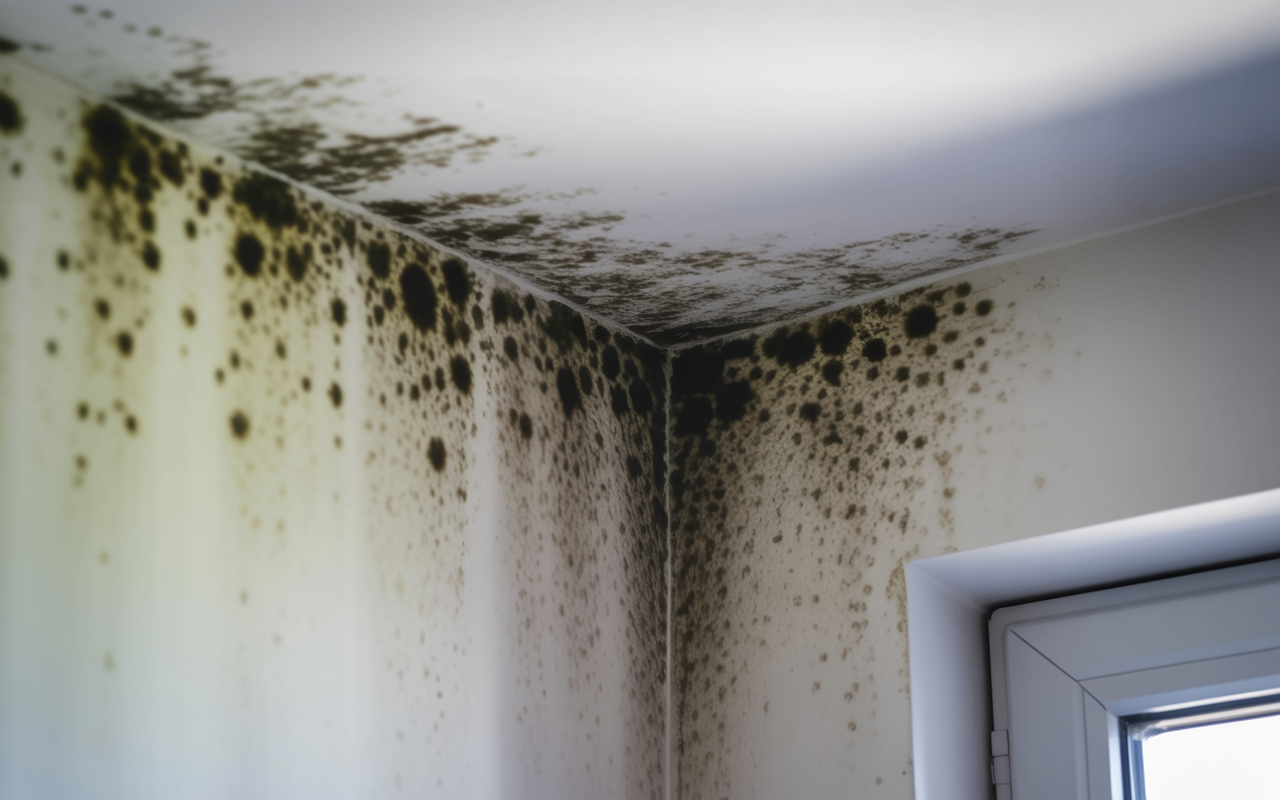
If the air stream or filter housing allows condensation to form, liquid water can do more than reduce adsorption. It can damage filter media, increase pressure drop, encourage mould growth on nearby surfaces and create maintenance issues inside the unit.
That is why correct installation and housing design matter as much as the carbon itself.
What this means for Brisbane and coastal sites
Brisbane buildings often deal with seasonal humidity, variable outdoor air intake and cooling systems that run for long periods. Coastal sites can add salt, moisture and wind-driven air changes into the mix.
For carbon filters, that combination can mean:
- •Faster loss of adsorption capacity in intake or exhaust applications
- •More frequent checks when odour control is important
- •Greater sensitivity to filter placement near cooling coils, drains or wet surfaces
- •A need to confirm whether pre-filtration is reducing dust load before air reaches the carbon stage
Facility managers should also think about how the ventilation system is being used. A filter working in a lightly occupied office is not facing the same conditions as one in a restaurant, wash area, plant room or coastal mechanical space.
If the site is covered by mechanical ventilation requirements, confirm the project approach with the mechanical services engineer or building owner and consider the relevant ventilation design requirements, including AS 1668.2:2024 where applicable.
Signs a carbon filter may be struggling
A carbon filter affected by humidity will not always fail in an obvious way. The casing may look fine while the adsorption capacity is already dropping.
Watch for these practical signs:
- •Odours returning sooner after installation or change-out
- •Uneven performance between similar units on the same site
- •Higher pressure drop if the filter has also collected dust or lint
- •Visible moisture, staining or corrosion around the housing
- •Mould or condensation issues in nearby ductwork or plant spaces
Where gauges are fitted, pressure drop monitoring is useful, but it only tells part of the story. A carbon filter can become less effective for odour control before a pressure reading looks unusual, so physical inspection and site history both matter.
Inspection frequency depends on the system, the site conditions and the dust load. Follow the filter and equipment manufacturer instructions, and check the surrounding equipment as well as the filter itself.
How to reduce moisture-related problems
The best solution depends on the building, but there are several practical steps that can help carbon filters last longer in humid Queensland conditions.
Keep water out of the air stream
Make sure drains, cooling coils, seals and access doors are working as intended. If condensation is forming inside the housing, the issue may be with the system rather than the filter.
Use the right filtration sequence
A pre-filter can reduce dust load before air reaches the carbon stage. That helps protect the carbon from premature blockage by particles, leaving more of the carbon capacity available for odour adsorption.
Match the carbon filter to the job
Not every carbon filter is designed for the same air volume, contaminant type or humidity level. In some applications, you may need a different media form, a deeper bed, or a custom size to fit the housing properly.
If you are unsure what will fit, our how to measure an air filter guide can help before you order.
Consider whether a washable option is actually suitable
Some filters are designed to be washable - check the product instructions. That said, washability does not automatically make a filter suitable for high-humidity or odour-control applications, so always confirm the intended use before choosing one.
When a custom filter makes more sense
High-humidity sites often reveal problems that a standard off-the-shelf size cannot solve neatly. If the filter is not sealing properly, air can bypass the media and reduce performance. If the housing is awkward or the airflow pattern is unusual, the filter may also load unevenly.
A custom air filters solution can help when you need:
- •A non-standard size or frame
- •Better sealing in a tight housing
- •A configuration matched to specific airflow and odour control needs
- •Replacement filters for older or specialised equipment
For commercial and industrial sites, it is also worth coordinating filter selection with filter servicing or commercial filter servicing so inspection and replacement are planned around actual site conditions.
Practical takeaway for Queensland buildings
Carbon filters are effective tools, but humidity changes how they behave. In Brisbane and coastal Queensland, moisture can reduce adsorption capacity, encourage condensation issues and shorten the period before a filter no longer performs as expected.
The best approach is to look at the whole system: airflow, housing condition, dust load, odour source, pre-filtration and the local climate. That way, you are choosing a filter for the building you actually have, not the one on paper.
If you need help selecting the right filter or want to check an existing setup, Total Air Filtration is a family-owned air filter manufacturer and supplier in Hillcrest, Brisbane QLD. Call 07 3800 3448 or request a quote. You can also contact us if you would like to discuss a specific site.
Written by
The Total Air Filtration Team
General information only — always follow the instructions for your filter and system. Have questions about this article? We're here to help.