
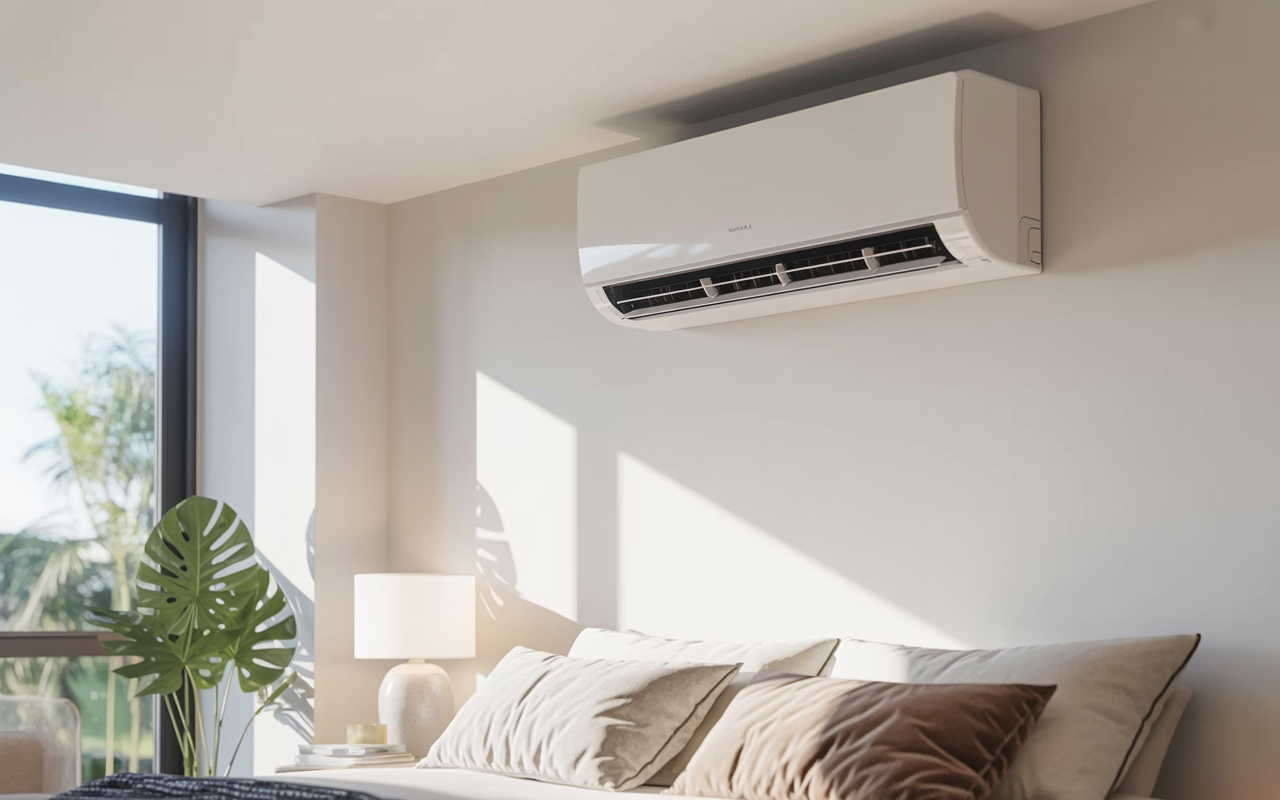
Filters for Homes with Multiple Split Systems and Different Odour Sources
Homes with multiple split systems can have very different air quality needs from room to room. A bedroom may mainly deal with fine dust, a living area may see pet hair and general dust, and a kitchen zone may have cooking odours and grease-laden particles to manage.
The right filter approach depends on what each indoor unit is trying to capture, how the system is used, and how easy the filter is to inspect and replace. For homeowners and mechanical contractors, the goal is not to fit the same filter everywhere, but to choose a practical option for each space and system.
Start with the room, not the label
A good filter selection starts by identifying the main airborne problem in each area. That sounds simple, but different spaces in the same house can behave very differently.
In a bedroom, the main concern is often general dust and lint from bedding, clothing and flooring. In a living area, the load may be higher because of foot traffic, pets and more frequent use. In a kitchen, the air can contain cooking odours, fine particles from frying or roasting, and grease that can load a filter faster than dust alone.
When reviewing options, ask:
- •What is the main source of airborne particles in this room?
- •Is odour control part of the brief, or is the filter mainly there for dust capture?
- •Does the indoor unit have enough space for a higher resistance filter?
- •Can the filter be removed and inspected easily without disturbing the room?
If you are unsure which filter type suits a particular unit, compare the filter size, frame style and media depth first, then consider whether a standard product or a custom air filters solution is more suitable.
Bedrooms: keep airflow practical and cleaning simple
Bedroom split systems are often expected to run quietly and unobtrusively. In that setting, a filter choice that is too restrictive can make maintenance more noticeable than the problem it is trying to solve.
For many bedrooms, a sensible approach is a filter that captures routine dust without creating unnecessary resistance. If the room is used lightly, the filter may not load quickly, but that does not mean it should be ignored. Inspection frequency depends on the system, site conditions and dust load, so it is better to check the filter condition rather than rely on a fixed schedule.
Useful considerations for bedroom units include:
- •A filter media that balances particle capture and airflow
- •Easy access for inspection and cleaning or replacement
- •A frame that seals properly so dust does not bypass the edges
- •Clear product instructions if the filter is designed to be washable
If the bedroom has ongoing odour concerns from nearby spaces, do not assume the same filter will solve everything. Odours often need a separate strategy, such as source control, ventilation review or a different filtration stage, depending on the system design.
Living areas: deal with mixed dust loads
Living rooms and family rooms often see a combination of dust, pet hair, skin flakes, outdoor dust brought in on footwear, and fibres from furniture and soft furnishings. These spaces can also have variable use, so the filter load may change depending on the season and how the home is occupied.
For a split system in a living area, the filter approach usually needs to suit both the room size and the amount of debris likely to reach the indoor unit. A standard washable or replaceable filter may be enough in some homes, while others may benefit from a deeper or finer media option if the equipment allows it.
Mechanical contractors should confirm the available filter depth, frame dimensions and access method before recommending an upgrade. The wrong filter can reduce ease of servicing, complicate maintenance and place unnecessary strain on the system if the pressure drop becomes too high for the fan arrangement.
If you are measuring an existing filter for replacement, our guide on how to measure an air filter can help avoid sizing mistakes. Correct dimensions matter, especially when a home has several indoor units that all look similar but use different frames.
Kitchens and odour sources: know what a filter can and cannot do
Kitchens are different from bedrooms and living rooms because odour control becomes part of the conversation. Cooking, frying, cleaning products and poor exhaust extraction can all contribute to airborne odours, and some of those odours are better handled by source control than by the split system filter alone.
It is important to separate particle capture from odour management. A standard filter can capture some airborne debris, such as dust and lint, but odours are a different challenge. In some applications, an additional media stage may be considered, depending on the indoor unit and the design intent of the system.
For kitchen-adjacent split systems, look at:
- •Whether the unit is exposed to grease or steam
- •Whether odours are recurring or only occasional
- •Whether the filter can be cleaned without damaging the media or frame
- •Whether the system needs a better kitchen exhaust solution rather than a heavier filter
If the kitchen unit is expected to handle heavy airborne grease or persistent odours, consult the mechanical services engineer or building owner before changing the filtration arrangement. For site-specific ventilation requirements, AS 1668.2:2024 may be relevant, but the correct approach should be confirmed for the installation.
Matching filter type to the system
Not every split system is suited to the same filtration approach. Some units have limited room for thicker media, while others can accommodate a higher-capacity filter or a better-sealing frame. A filter that performs well in one part of the house may be a poor fit in another because the airflow, access and contaminant load are different.
When choosing between options, consider:
- •The filter slot size and available depth
- •The fan capacity and system design
- •The type of particles the room generates
- •Whether the room creates odour issues as well as dust
- •Whether the filter needs to be disposable, washable or a special-order item
If a product is described as washable, remember that this is a property of that specific filter only. Check the product instructions before assuming it can be cleaned and reused.
Standards and ratings can help compare products, but they should be used carefully. MERV, EN 779 and ISO 16890 do not convert directly, so avoid treating one label as a simple replacement for another. Where HEPA is relevant, H13 is at least 99.95% efficiency and H14 is at least 99.995% efficiency at the most penetrating particle size under EN 1822.
A practical approach for homes with several systems
For homes with multiple split systems, the best result often comes from treating each indoor unit as its own filtration job rather than trying to standardise everything. A bedroom may need a low-maintenance dust filter, a living area may need higher dust-holding capacity, and a kitchen-adjacent system may need a more carefully considered odour and grease strategy.
A practical process is:
- •Identify the main airborne problem in each room
- •Check the unit size, access and existing filter frame
- •Confirm whether a standard or custom filter is needed
- •Review pressure drop and maintenance access where gauges are fitted
- •Follow the filter and equipment manufacturer instructions for servicing
For contractors working across homes, commercial-style maintenance planning can still be useful even in domestic settings. If a site has several indoor units or mixed-use spaces, regular inspection records can make it easier to spot dust loading, damage or bypass issues before they become service calls. Our filter servicing page covers support options, and commercial filter servicing may be relevant where the home has a larger or more complex installation.
Talk to Total Air Filtration
Total Air Filtration is a family-owned air filter manufacturer and supplier in Hillcrest, Brisbane QLD, established 2009. We can supply standard sizes or make the right filters for homes with different indoor units, room conditions and odour challenges.
If you need help matching filters to bedrooms, living areas or kitchens, call 07 3800 3448 or request a quote. You can also browse our products or contact us for practical advice on the next step.
Written by
The Total Air Filtration Team
General information only — always follow the instructions for your filter and system. Have questions about this article? We're here to help.