
Wet Air Filters in Wet Season: Condensation, Rain Ingress and What to Check
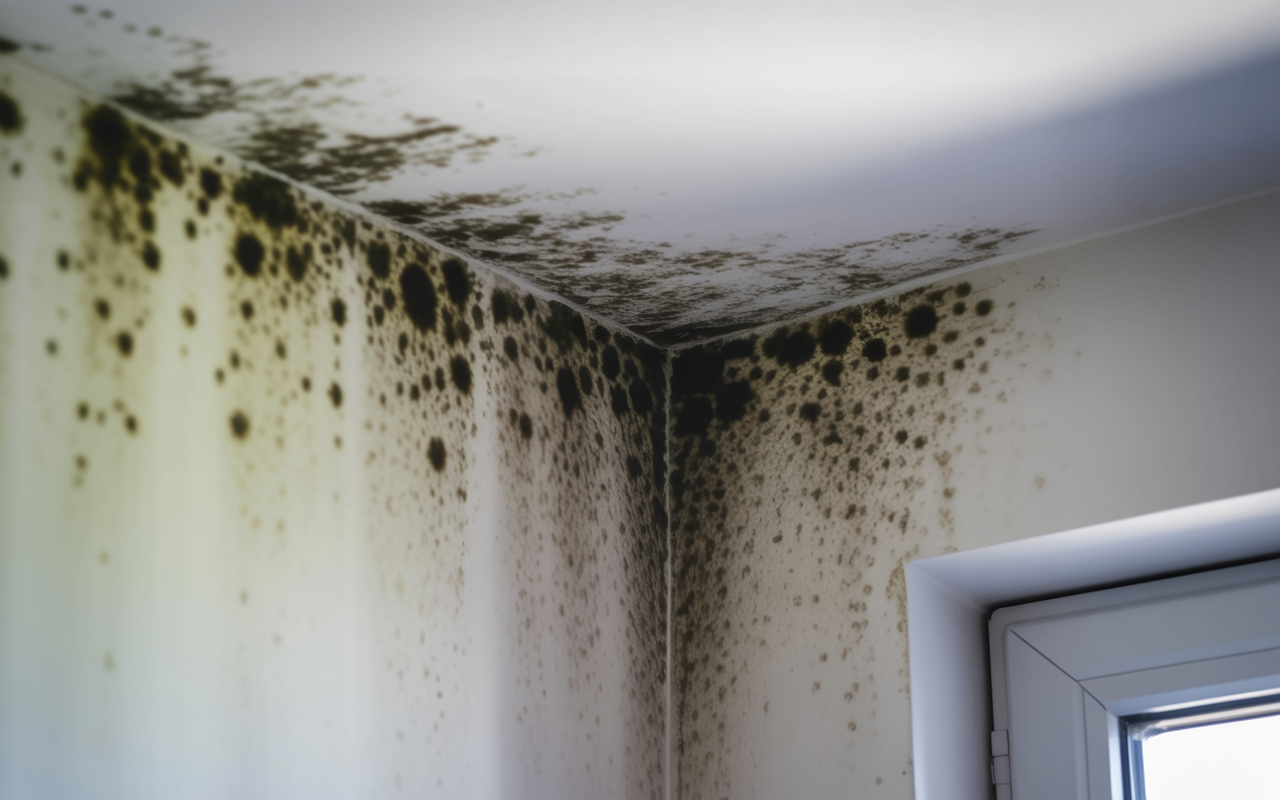
Brisbane’s wet season can make air filters look worse than they are, but dampness should never be ignored. Moisture can enter from outside the ductwork, form inside the system through condensation, or be carried over from cooling coils and drain pans.
For homeowners, facility managers and contractors, the key is to work out where the moisture is coming from before it becomes a recurring problem.
Why filters become damp in wet weather
An air filter does not create moisture on its own. If it is wet, something upstream or around the system has allowed water to reach it.
In Brisbane, the most common wet-season causes are:
- •rainwater entering through roof or wall penetrations
- •condensation forming on cold surfaces and dripping onto the filter
- •moisture from cooling coils being carried downstream when drainage or airflow is not right
- •humid outdoor air entering the system through gaps, poor sealing or open access points
- •wet dust or debris loading up faster than expected in stormy conditions
A damp filter can lose effectiveness at capturing particles because the media may block unevenly, deform, sag or collapse. In some systems it can also increase resistance and put extra strain on fans or equipment. If the filter has started to smell musty, that is another sign to inspect the whole air path.
Check for rain ingress first
If a filter is wet after heavy rain, start with the building envelope and the air intake path.
Look at roof-mounted plant, external intake louvres, duct penetrations and any point where water could track into the system. Water does not always enter directly above the filter. It can travel along framing, insulation, cladding laps, fixings or poorly sealed joints before dripping onto the filter housing.
What to inspect:
- •condition of the roof, cappings, flashings and seals around penetrations
- •whether intake hoods or louvres are exposed to wind-driven rain
- •signs of staining, rust marks or water trails inside the access panel or filter section
- •missing or damaged gaskets around doors, frames and access covers
- •pooled water near the unit, especially after storm events
If the system is part of a commercial installation, it is sensible to check the arrangement against the intent of AS 1668.2:2024 and confirm site requirements with the mechanical services engineer or building owner. That helps separate maintenance issues from design or installation issues.
Condensation can form inside the system
Even when rain is not getting in, condensation can still make a filter damp.
This often happens when warm, humid air meets a cold surface inside the unit. Brisbane’s wet season raises the moisture load in the air, and that makes condensation more likely on cold ductwork, filter frames and adjacent metal surfaces.
Common clues include:
- •beads of water on duct walls or internal metalwork
- •damp insulation around the casing
- •moisture around access doors or panel edges
- •a filter that is wetter on one side than the other
- •signs of surface sweating on the outside of the housing
Condensation usually points to a temperature or insulation issue, not a filter problem alone. Check for damaged insulation, thermal bridging, gaps in vapour sealing, and whether cold supply air is contacting uninsulated metal surfaces before it reaches the filter section.
What contractors should look for
When you are on site, it helps to trace the air path carefully.
- •inspect insulation continuity around the casing and adjoining ductwork
- •check that access doors close firmly and seals are intact
- •look for cold spots on the housing with visible sweating
- •confirm condensate is draining away properly from cooling equipment nearby
- •make sure the filter is seated correctly so bypass air is not creating local cold spots
Moisture carried over from coils
Cooling coils are another common source of wet filters, especially in systems that run hard during humid weather.
If the coil is wet and airflow is high, droplets can be pulled downstream. This is more likely when there is poor droplet separation, a blocked or damaged drain pan, an incorrect coil installation, or an air velocity issue that encourages carryover.
Things to check around the coil section:
- •drain pan slope and drainage path
- •standing water, sludge or biological build-up in the pan
- •blocked condensate lines or traps
- •damaged or missing drip edges, separators or baffles
- •signs of water streaking beyond the coil face
- •whether the filter is positioned too close to a wet coil section
A wet filter downstream of a coil often means the problem starts at the cooling section, not the filter itself. Replacing the filter without fixing the cause usually leads to the same issue returning.
How to inspect a damp filter safely and sensibly
Before touching the filter, isolate the system if required by site procedure and electrical safety rules. Use appropriate PPE for the environment, especially if there is mould, sludge or visible contamination.
A practical inspection approach includes:
- •open the access panel and note where the dampness is located
- •check whether the moisture is uniform, patchy or concentrated at one edge
- •inspect the frame, gasket and housing for bypass paths
- •look for visible damage, swelling, sagging or collapse of the media
- •confirm the filter is installed the right way around and fully seated
- •compare the condition of upstream and downstream components to identify the source
If the filter is only lightly damp and the cause has been fixed, it may be possible to dry the area and fit a new filter before restarting the system. If the media is distorted, heavily contaminated or has developed an odour, replacement is usually the safer path.
For systems that use specialised products, check the manufacturer instructions. Some filters are designed to be washable - check the product instructions before trying to clean them. Others should be replaced rather than cleaned, especially where the media, frame or seal has been compromised.
Choosing the right replacement after a wet-season issue
Once the moisture source is sorted, the next step is making sure the replacement filter suits the system and the site conditions.
That may involve choosing a different media type, a more robust frame, better sealing, or a filter arrangement that handles heavier wet-season dust and moisture exposure. For some installations, a custom size or profile is the simplest way to reduce leakage and improve fit. You can view our products, custom air filters or book filter servicing if the system needs a proper reset.
A few reminders when selecting filters:
- •follow the equipment manufacturer’s instructions
- •confirm the size carefully before ordering; if needed, use how to measure an air filter
- •do not rely on a filter rating alone to solve a moisture problem
- •check pressure drop where gauges are fitted and monitor how the system behaves after installation
- •for commercial sites, coordinate with the mechanical services engineer or building owner where required
If your system uses HEPA or higher-grade filtration, confirm the exact specification needed. H13 and H14 values are defined under EN 1822 at the most penetrating particle size, and the correct grade should be selected for the application rather than guessed from a previous filter label.
When to call for help
If a filter keeps getting wet after rain, or if there is ongoing condensation around the unit, it is worth getting the system checked properly. Persistent moisture can point to a roof leak path, a duct issue, a coil problem or a combination of faults that a new filter will not solve on its own.
Total Air Filtration is a family-owned air filter manufacturer and supplier in Hillcrest, Brisbane QLD, and we can help assess the filter setup and supply the right replacement for the application. Call 07 3800 3448 or request a quote. You can also contact us if you need help working out the next step.
Written by
The Total Air Filtration Team
General information only — always follow the instructions for your filter and system. Have questions about this article? We're here to help.