
Visual Inspection Tips for Filters in High-Humidity Brisbane Roof Spaces
Brisbane roof spaces can be tough on air filters. Warm air, trapped humidity and limited ventilation can create conditions where a filter that looked fine at installation starts to show visible change sooner than expected.
For homeowners, contractors and facility managers, a careful visual inspection can help you spot early signs of trouble such as mould growth, warped frames and softened filter media before the system is put under unnecessary strain.
Why roof spaces are hard on filters
Roof voids in high-humidity conditions often hold heat and moisture for longer periods than other parts of a building. That combination can affect both the filter and the filter housing, especially where there is poor access, dust build-up or gaps in sealing.
In these conditions, a visual inspection is not just about whether a filter looks dirty. It is also about whether the filter has kept its shape, whether the media still feels firm and whether there are any signs that moisture has entered the unit.
A filter that is exposed to damp air may still be capturing particles, but once the frame, gasket or media begins to change shape, airflow and fit can be affected. That is why roof-space inspections should be part of routine plant checks, with frequency guided by the system, the site conditions and the dust load.
What mould can look like on a filter
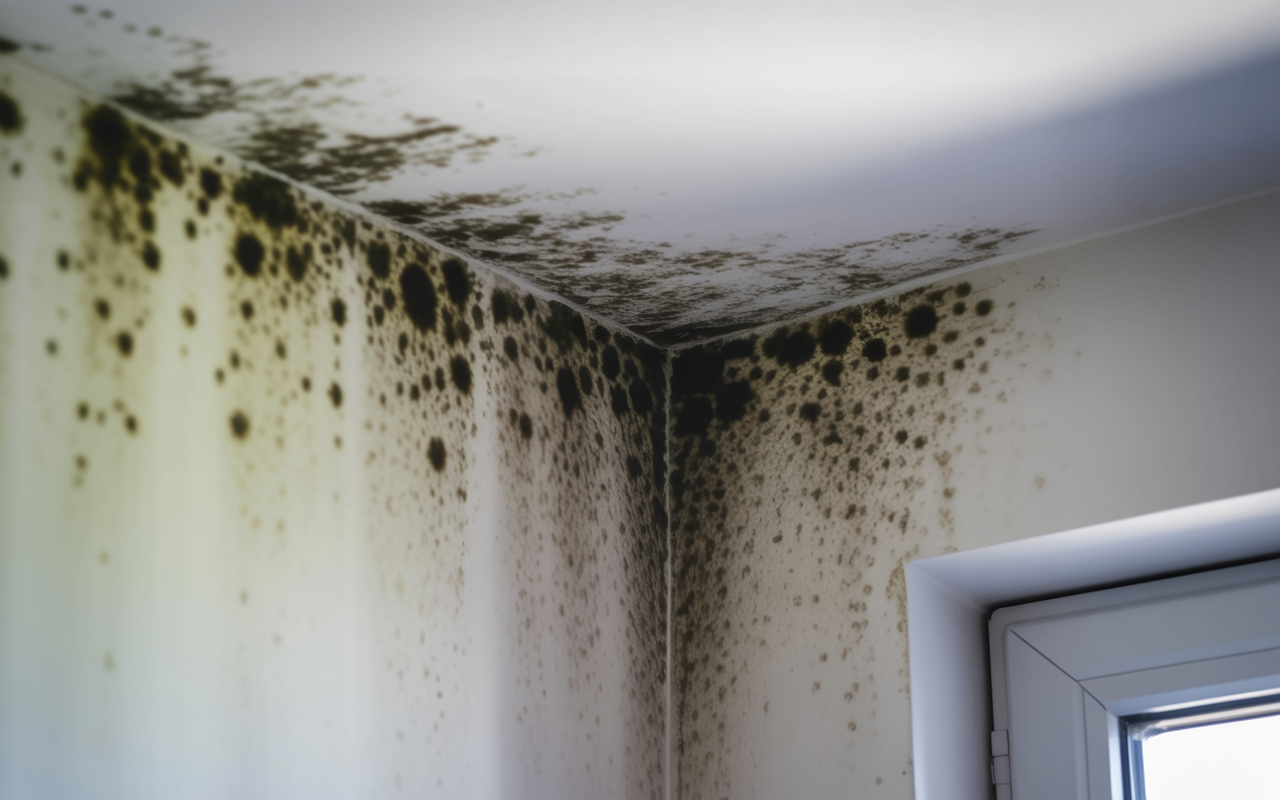
Mould in a roof void is often most obvious as dark spotting, fuzzy patches or stain-like areas on the media, frame or surrounding insulation. It may appear on the filter face, on the edges where condensation lingers, or on cardboard and timber components nearby.
When checking for mould, look for:
- •Dark green, black, grey or brown spots that were not there previously
- •A patchy or irregular appearance rather than ordinary dust loading
- •A musty odour around the filter housing
- •Discolouration that seems to spread after damp weather
- •Moisture marks on nearby surfaces, ductwork or the roof structure
If you find what looks like mould, avoid brushing it off inside the roof space, as that can release loose material into the surrounding area. Instead, note the location, check for signs of water ingress or condensation and arrange appropriate servicing.
Some filters are designed to be washable - check the product instructions before attempting any cleaning. If the product is not intended to be cleaned in place, replacement is usually the safer option.
How to spot frame warping and fit problems
A warped frame can be easy to miss if you only look at the front face of the filter. In a roof space, heat and moisture can cause cardboard, paper-based media frames and some plastics to lose rigidity, especially if the unit is under tension or has been exposed to repeated dampness.
Signs to look for include:
- •Bowed sides or corners that no longer sit square in the frame
- •Gaps between the filter and the housing that were not previously present
- •A filter that rocks, tilts or does not sit flush
- •Crushed corners or softened edges
- •Visible twisting in the frame or separator structure
If the frame has changed shape, the filter may no longer seal properly. That can allow air to bypass the media, which means the filter is not sitting as intended in the system. In rooftop or roof-void installations, even a small change in fit can be worth investigating because heat and movement can make the problem worse over time.
For any replacement, measure carefully before ordering. If you need help confirming the dimensions, see how to measure an air filter.
What softened filter media feels like
Filter media should generally feel stable and intact when handled according to the product instructions. In warm, damp roof spaces, media can soften, sag or feel unusually fragile if it has absorbed moisture or if the material has begun to break down.
During inspection, check whether the media:
- •Feels limp, spongy or weak at the edges
- •Sags into the centre rather than holding its pleat or structure
- •Shows uneven rippling or localised collapse
- •Leaves fibres behind when touched lightly
- •Has a damp feel or a sticky surface after exposure to humid air
Softened media is a warning sign because it may no longer support the airflow path the way it was designed to. It can also be more likely to tear during handling, especially when filter replacement is delayed and dust loading has increased.
If a filter has become soft because of moisture exposure, check the surrounding space as well. Look for water leaks, damaged insulation, missing seals or poor drainage that could be contributing to the issue.
Inspection checks that suit Brisbane roof voids
A practical roof-space inspection should be calm, deliberate and consistent. Before opening the filter section, make sure access is safe and that you have enough light to see the filter edges, not just the centre face.
Useful checks include:
- •Confirm the filter is seated correctly and has not slipped in its tracks
- •Look for dust tracks around the frame, which can indicate bypass
- •Check for condensation, staining or water marks on nearby surfaces
- •Inspect the filter edges and corners for softening or collapse
- •Compare both the upstream and downstream sides where visible
- •Note any odour, mould spotting or dampness in the enclosure
If gauges are fitted, monitor pressure drop and compare it with the equipment’s normal operating range. A rising pressure drop can help show when a filter is loading, but it should always be considered alongside the visual condition and the site environment.
Inspection frequency depends on the system, the site conditions and the dust load. Follow the filter and equipment manufacturer instructions, and if the installation relates to ventilation requirements, confirm site needs with the mechanical services engineer or building owner in line with AS 1668.2:2024.
When to replace, clean or ask for help
Not every discoloured filter needs immediate replacement, but certain signs should prompt action. If the frame is warped, the media is soft, or there is active mould growth, it is usually time to remove the filter from service and assess the cause.
Consider replacement or professional servicing when:
- •The filter no longer seals properly in the frame
- •Moisture has visibly affected the media or backing material
- •There is recurring mould or dampness in the same location
- •The filter has been damaged during handling or inspection
- •The surrounding housing shows signs of poor fit, leaks or contamination
For commercial sites, a planned service visit can also help check housing condition, sealing surfaces and the suitability of the filter type for the environment. See filter servicing or commercial filter servicing if you want support with maintenance planning.
If the roof space is difficult to access, the filter size is unusual or the site has recurring moisture issues, custom-made options may be a better fit. You can view custom air filters or browse our products to compare available options.
Choosing the right support for humid roof spaces
The best filter for a warm, damp roof void is one that suits the system, fits properly and can be maintained sensibly in the conditions on site. In some cases that means changing the media type, frame material or filter format to better match the environment and access constraints.
Total Air Filtration is a family-owned air filter manufacturer and supplier in Hillcrest, Brisbane QLD, established 2009. If you are dealing with mould spotting, frame warping or media softening in a roof-space installation, we can help supply or make the right filters for the job.
Call 07 3800 3448 or request a quote. You can also contact us if you want to talk through a filter fit or replacement for a humid roof space.
Written by
The Total Air Filtration Team
General information only — always follow the instructions for your filter and system. Have questions about this article? We're here to help.