
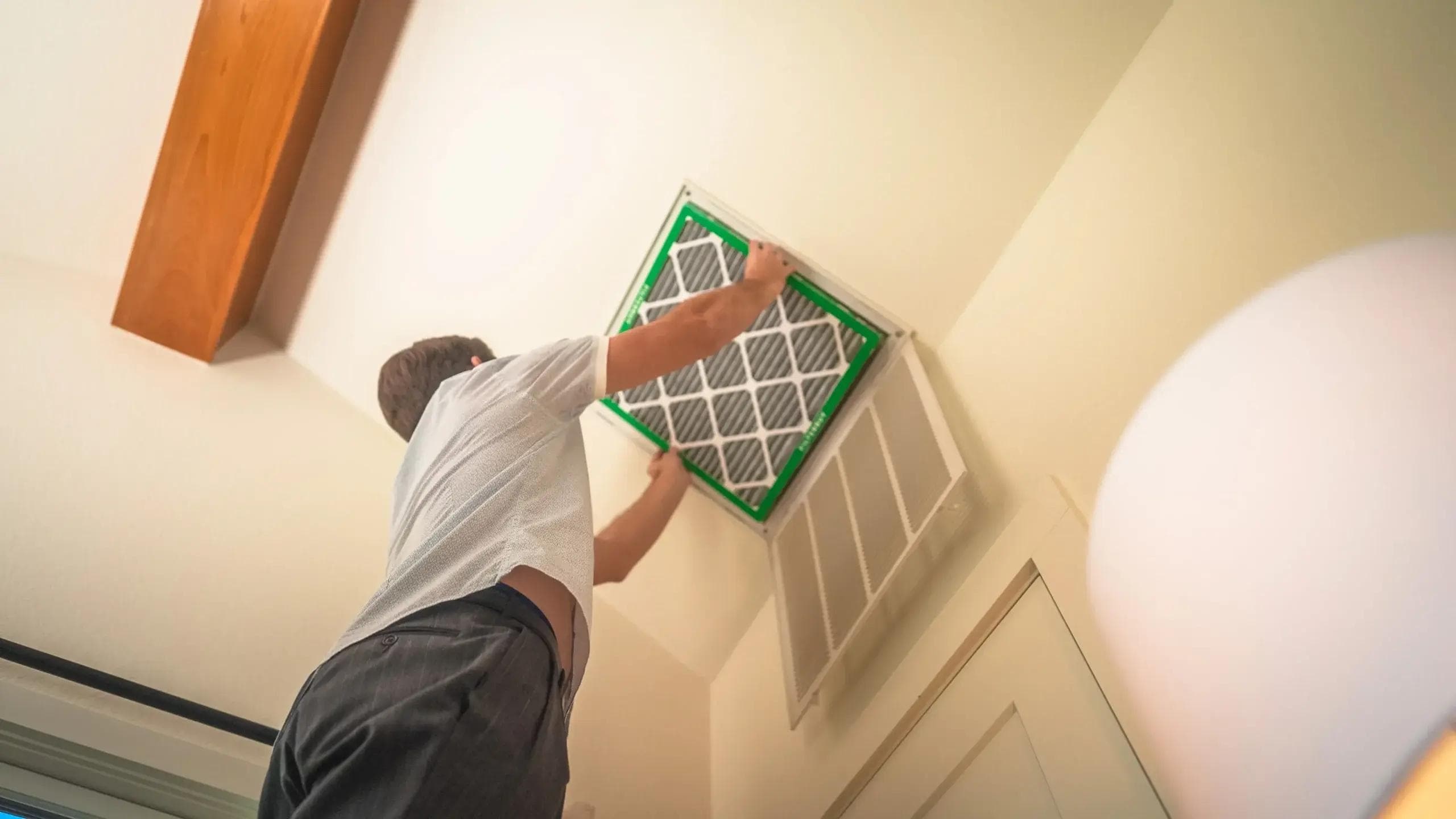
Upgrading Old Return Air Grilles in Queensland Homes: When It Makes Sense
For many Queensland homes, the return air grille is easy to overlook until it starts rattling, restricting airflow, or no longer suits a changed air conditioning setup. If a grille is bent, noisy, hard to clean, or obviously undersized, it may be affecting how the system breathes and how well the space is serviced.
A modern replacement does more than look tidier. It can improve airflow through the return path, make filter changes easier, and better match current system requirements and room layouts.
What the return air grille actually does
The return air grille is the opening that allows indoor air to make its way back to the air conditioning system. In most homes, it sits in a hallway, living area, or a central spot where air can return without excessive restriction.
That return path matters because the system needs to move air freely. If the grille is too small, damaged, clogged with dust, or fitted with a filter arrangement that is too restrictive for the system, the fan may have to work harder to pull air back through.
For homeowners, this can show up as a system that sounds strained, rooms that do not circulate air evenly, or a grille that simply looks tired and out of place. For mechanical contractors, an old return grille is often one of the first clues that the return air arrangement should be checked as a whole, not just the filter media.
Signs the grille should be replaced
A return grille does not need to be replaced just because it is old, but there are clear signs that a new one makes sense.
Visible wear and damage
- •Bent or broken louvres
- •Rust, corrosion or flaking paint
- •Cracked frames or loose fixing points
- •Warped grilles that do not sit flat against the wall or ceiling
These issues are not only cosmetic. A distorted grille can whistle, buzz or rattle, and it may allow gaps where dust can collect or where the grille no longer seals properly against the surface.
Excessive noise or vibration
If the return grille vibrates, chatters or produces a whistling sound, the cause may be the grille design, loose installation, or air velocity through an opening that is too small for the system. In some homes, a replacement grille with a more suitable free area and a sturdier frame can reduce this kind of nuisance.
Poor fit for the current system
Homes change over time. A return grille that once suited the original air conditioning unit may no longer be right after:
- •A system upgrade or replacement
- •Changes to zoning
- •Ductwork alterations
- •The addition of a return filter arrangement
- •A renovation that changed room layout or airflow paths
When the system changes, the grille should be checked as part of the overall return air design. In some cases, the grille opening is simply too small for the updated equipment and should be resized or replaced.
Hard-to-service filter arrangements
Some return air grilles incorporate a filter behind the face. If accessing that filter is awkward, the grille is damaged, or the frame does not hold the filter properly, servicing becomes more difficult than it needs to be. That can lead to poor maintenance and more dust bypass.
If the filter arrangement needs attention, it may be worth reviewing the grille design and the filter size at the same time. If you need a custom fit, see custom air filters and how to measure an air filter.
What a modern grille can improve
A properly selected replacement grille can make a practical difference without changing the whole system.
Better airflow through the return path
A grille with suitable free area and blade design can reduce unnecessary resistance at the return opening. That helps the system draw air back more smoothly, which is especially important where the return grille is serving a larger living area or a higher-capacity unit.
This is not just about size. The way the grille is built, the spacing of the louvres, and how well it matches the return opening all affect how air moves through it.
Quieter operation
Modern grilles are often better at avoiding the rattles, whistles and vibrations common in older fittings. A stronger frame, better fixing method and a more suitable face design can all help.
Easier cleaning and servicing
Old return grilles can collect dust in the frame, corners and damaged edges. A new grille is usually easier to wipe down, and if it holds a filter behind it, the filter can often be replaced more cleanly and with less fuss.
Some filters are designed to be washable - check the product instructions.
Better appearance in renovated homes
Many Queensland homes have been updated over time, but the return grille is still the original one. A replacement can give a neater finish that suits modern interiors, especially where the old grille is yellowed, stained or mismatched.
When to check the size rather than just the condition
Condition matters, but so does sizing. An old grille may look fine and still be the wrong size for the job.
A grille should be reviewed if:
- •The air conditioning unit has been replaced with a different capacity
- •The return air opening was modified during renovation
- •The system sounds starved for air or unusually noisy
- •The current grille has a filter that is too small or too restrictive for the opening
- •Dust buildup seems excessive at the return point
Mechanical contractors should also consider the full return path, including the grille face, filter fit, return box and duct connection. If the site design is being reviewed against ventilation requirements, AS 1668.2:2024 may be relevant, but site requirements should always be confirmed with the mechanical services engineer or building owner.
Choosing the right replacement for a Queensland home
Not every replacement needs to be custom made, but many older homes have non-standard openings, renovations, or existing return boxes that do not match off-the-shelf sizes neatly. The best result usually comes from measuring carefully and matching the grille to the actual opening and system need.
A useful replacement brief should include:
- •Clear opening dimensions
- •Wall or ceiling location
- •Whether the grille includes a filter frame
- •The current grille’s mounting style
- •Any noise, dust or servicing issues
- •The air conditioning system type and any recent upgrades
If the opening is unusual, a made-to-fit solution can avoid awkward gaps, excessive trimming or poor sealing. That is often the most practical route where the existing grille has been altered over time or where the home has older construction details.
For contractors and homeowners comparing options, it can help to review our products alongside the opening measurements before ordering.
When replacement is the sensible call
A return air grille should be replaced when it is no longer doing its job properly, not simply because it is old. If it is noisy, damaged, restrictive, awkward to service or mismatched to the current system, replacement can be a straightforward improvement.
For homeowners, that can mean a cleaner finish and less hassle at the filter. For contractors, it can mean a more predictable return path and a better outcome at commissioning or during a retrofit.
If you are unsure whether the grille alone needs changing or the whole return air setup should be reviewed, we can help you work through the options. Total Air Filtration is a family-owned air filter manufacturer and supplier in Hillcrest, Brisbane QLD, and we can supply or make the right filters for your setup. Call 07 3800 3448 or request a quote.
You can also contact us if you need help with a replacement grille, a custom fit, or a filter servicing plan.
Written by
The Total Air Filtration Team
General information only — always follow the instructions for your filter and system. Have questions about this article? We're here to help.