
Retail Centre HVAC Filters for Humid Brisbane Weather and Condensation Risk
Humidity changes how air systems behave in enclosed retail centres, especially across South East Queensland where warm, moist conditions can linger through much of the year. In shopping centres, that extra moisture can affect how quickly filters load up, how often condensate problems appear, and how steadily air moves through the building.
For facility managers and mechanical contractors, the challenge is not just choosing the right filter media. It is matching the filter arrangement to the site conditions, keeping an eye on pressure drop, and preventing moisture from turning a routine maintenance task into a mould and airflow issue.
Why Brisbane humidity changes the filter story
In dry conditions, filter loading is often dominated by dust and other dry particulate matter. In humid weather, airborne moisture can make fine dust cling more readily to filter media and ducts, and any area with poor drainage or lingering condensation can accelerate grime build-up on nearby components.
That matters in retail centres because these systems often recirculate large volumes of air through enclosed spaces, plant rooms, car park interfaces and tenancy zones. If filters load unevenly or stay damp for too long, airflow resistance can rise sooner than expected and the system may struggle to distribute air evenly through the centre.
Humidity also increases the importance of good housekeeping around air handling equipment. A filter that is doing its job by capturing particles can still become a problem if surrounding surfaces are wet, if access doors are poorly sealed, or if condensate is not draining as intended.
What humid conditions can do to filters
- •Increase the rate at which dust sticks to the filter surface and deeper media layers
- •Contribute to uneven loading where air movement is already restricted
- •Make it harder to spot when a filter is reaching the end of its useful service condition
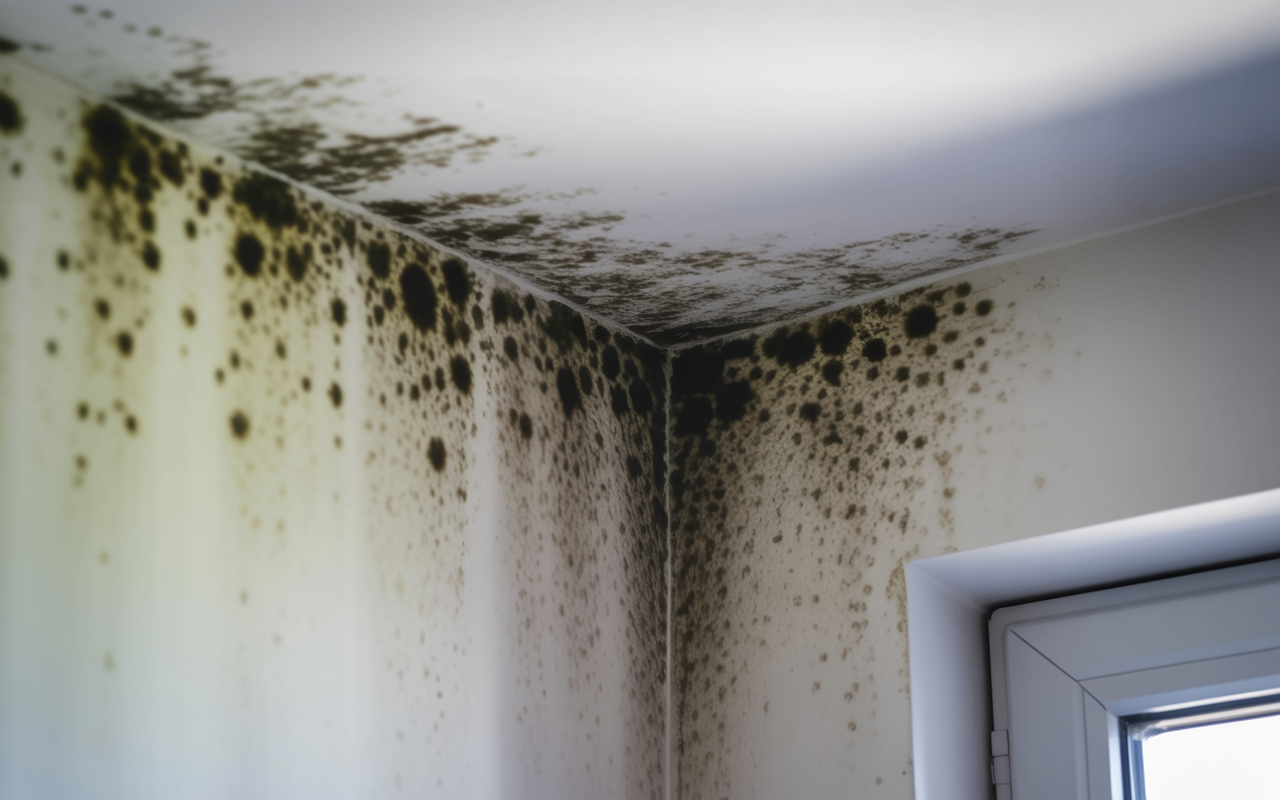
- •Raise the chance of odour or visible mould growth if moisture is present in the filter frame or housing
Condensation risk inside enclosed shopping centres
Shopping centres across Brisbane and surrounding suburbs often have mixed-use HVAC arrangements, with varied occupancy levels, door opening frequency and internal heat loads. In humid weather, the difference between cooled supply air and warmer surrounding air can create condensation on ducts, housings, frames and coils if insulation, sealing or drainage is not right.
Condensation does not automatically mean the filters are faulty, but it can affect them indirectly. Moisture in or around the filter section can soften some media, compromise seals, encourage microbial growth on adjacent surfaces and reduce the reliability of airflow readings. If the filter bank is located near cooling coils or in a plant area with poor access, minor moisture issues can be missed until the pressure drop starts climbing or odours become noticeable.
Good drainage and insulation are part of the solution, but so is making sure the filter selection suits the operating environment. The filter should fit properly, seal well, and be appropriate for the dust load and airflow conditions in the centre.
Signs the system may be struggling with moisture
- •Persistent condensation on the filter housing or nearby ductwork
- •Dark staining or visible growth around the filter frame or plenum
- •Airflow complaints in certain zones even though the system is running
- •A pressure drop trend that rises faster than expected
- •Damp odours when plant rooms or ceiling spaces are opened
Filter loading in humid retail environments
In humid weather, a filter can load in more than one way. There is the usual accumulation of fine particulate matter from outdoor air, car parks, loading docks and foot traffic. Then there is the effect of moisture, which can make particles bind more tightly to the media and create a heavier, more compact load.
For enclosed retail centres, that means maintenance decisions should be based on the actual condition of the filter and the system, not just a routine calendar date. Inspection frequency depends on the system design, site conditions and dust load. Follow the filter and equipment manufacturer instructions, and monitor pressure drop where gauges are fitted.
It also helps to keep the filter arrangement practical. If access is awkward or the filter section is undersized for the air volume, staff may delay checks or have difficulty fitting and sealing replacement filters correctly. That can lead to bypass air, uneven dust capture and more stress on downstream components.
Practical selection points for humid sites
- •Choose a filter type that matches the dust load and airflow requirements of the system
- •Confirm the frame size, depth and seal arrangement before ordering replacements
- •Use robust construction where the filter bank is exposed to frequent maintenance access
- •Consider whether a staged filtration arrangement is better suited to the site than a single filter stage
- •If a product is claimed to be washable, check the product instructions carefully before reusing it
Mould risk, odour control and maintenance access
Humidity alone does not create mould, but it does create conditions that make growth more likely where dust, moisture and still air combine. In a retail centre, that risk can show up around pre-filters, return air sections, duct insulation, condensate trays and poorly drained housings.
Filters can capture particles that would otherwise move through the system, but if the filter media remains damp or is installed into a contaminated frame, the whole section can become harder to maintain. Odour complaints in centres often point to a moisture issue somewhere in the air path rather than a single failed component.
The best response is usually a combination of inspection, cleaning and fitment checks:
- •Inspect housings, seals and access doors for leaks or gaps
- •Check that condensate is draining freely and not pooling near the filter section
- •Replace damaged frames, clips or gasket materials before they affect sealing
- •Remove dust build-up from adjacent surfaces during servicing
- •Verify that the replacement filter matches the direction of airflow and the holder dimensions
If you need help measuring an existing filter correctly before ordering, see how to measure an air filter. For ongoing maintenance support, filter servicing and commercial filter servicing are useful places to start.
Choosing the right filtration approach for the site
There is no single filter specification that suits every retail centre in South East Queensland. The right choice depends on the ventilation design, occupancy profile, outdoor pollution exposure, and the level of protection needed for the equipment downstream.
Where the project references ventilation design, AS 1668.2:2024 should be considered alongside the site conditions, and requirements should be confirmed with the mechanical services engineer or building owner. If the centre uses legacy classifications such as G3, G4 or F5-F9, remember those are EN 779 classes that were widely used in Australia and are now superseded by ISO 16890. MERV, EN 779 and ISO 16890 do not convert directly, so avoid assuming one rating always replaces another.
For higher-efficiency applications, check the actual product specification rather than relying on shorthand. If HEPA is required, H13 is at least 99.95% and H14 is at least 99.995% efficiency at the most penetrating particle size under EN 1822. That level of filtration is only relevant where the system is designed for it.
If the centre needs a bespoke size, frame, depth or media combination, custom air filters can help match the existing equipment. You can also review our products or see the industries we supply for a broader overview.
A practical maintenance approach for Brisbane centres
A sensible maintenance plan for humid retail environments is built around observation, not assumptions. Check the filter section for moisture, visible dust loading, frame damage and signs of bypass whenever access is available. Use pressure drop readings where fitted, and compare them with the equipment manufacturer’s guidance and the site’s operating conditions.
For busy centres, the most useful questions are often simple ones:
- •Is the filter bank sealed properly and staying dry?
- •Is the airflow behaving the same across all zones?
- •Are dust and moisture accumulating in the same location each time?
- •Do replacement filters match the installed frame and housing?
The answers to those questions usually tell you more than a fixed interval ever could. In a humid Brisbane climate, the system’s real condition matters more than a generic schedule.
Need the right filters for a humid retail centre?
Total Air Filtration is a family-owned air filter manufacturer and supplier in Hillcrest, Brisbane QLD, and we can help you choose or make the right filters for your site. Call 07 3800 3448 to discuss your application, or request a quote.
If you need to talk through fitment, sizing or replacement options, you can also contact us.
Written by
The Total Air Filtration Team
General information only — always follow the instructions for your filter and system. Have questions about this article? We're here to help.