
Managing Mould Risk in Vacant Properties During the Queensland Wet Season
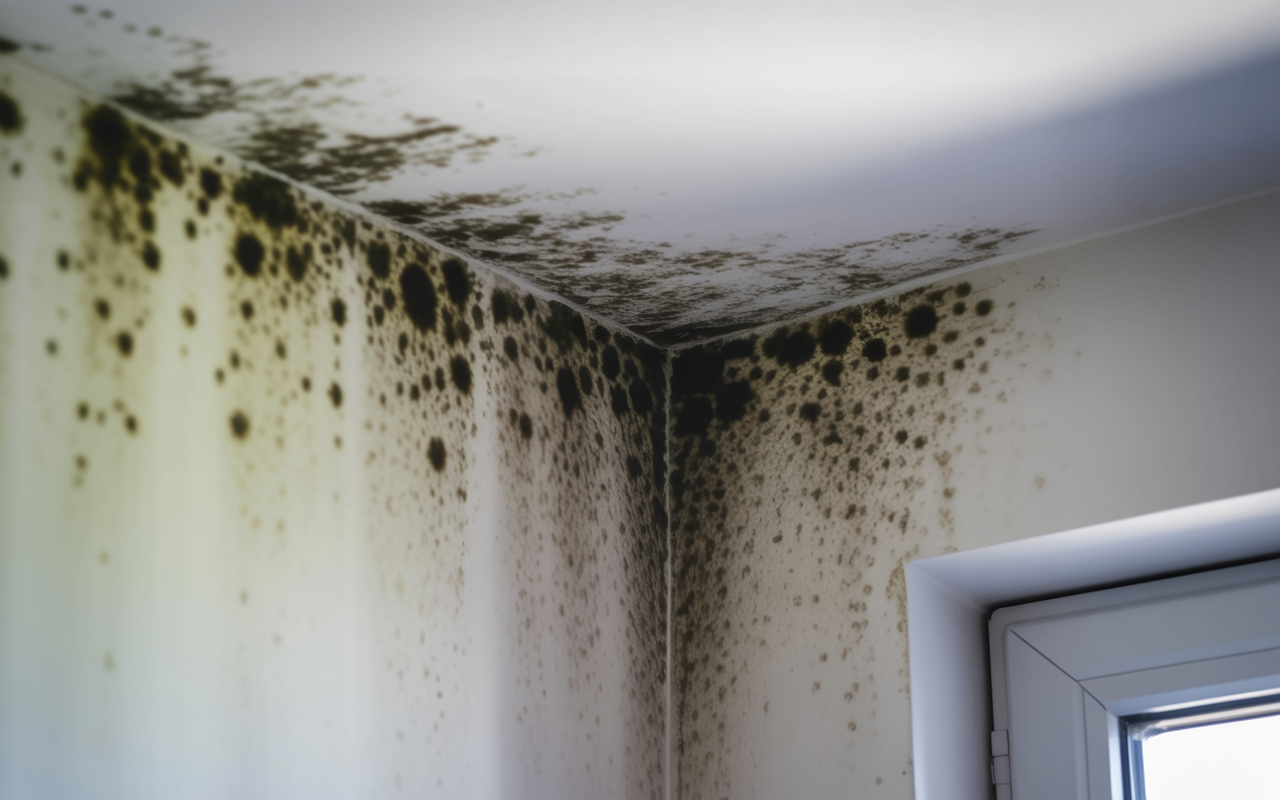
Vacant properties can develop moisture problems surprisingly quickly during Queensland’s wet season, even when the building is empty and the HVAC system is switched off. When air movement stops, humid outdoor air, rain ingress and condensation can linger around intakes, grilles and filters, creating the right conditions for mould growth and unpleasant odours.
For property managers, the challenge is not only the building interior but also the unseen parts of the ventilation path. Air intakes, return grilles, filter banks and duct openings can all become moisture traps if they are left unprotected or unchecked for long periods.
Why vacant buildings are vulnerable in wet weather
When a property is occupied, the HVAC system, routine cleaning and regular access all help reveal problems early. In a vacant home or commercial premise, those checks often happen less often, and moisture issues may go unnoticed until there is visible staining, musty odour or damage to internal finishes.
During the wet season, several things can happen at once:
- •Humid outside air enters through small openings around doors, louvers, plant rooms or ceiling spaces.
- •Rain can be driven into external intakes or around poorly sealed penetrations.
- •Condensation can form on cooler metal surfaces, including grilles, housings and ductwork.
- •Dust sitting on filters, grilles and internal surfaces can hold moisture and become a growth point.
If the HVAC system is idle, there is no regular airflow to dry these areas out. That means a problem can develop quietly, especially in buildings that are vacant for leasing, sale, renovation or between tenancies.
Where mould risk often starts around HVAC components
Air intakes and external openings
Outdoor intakes are designed to bring fresh air into a building, but they can also admit wind-blown rain, leaf litter, insects and humid air if the surrounding area is not maintained. In a vacant property, overgrown landscaping, blocked drains or storm debris near the intake can make moisture problems worse.
If the intake is exposed, check for:
- •Standing water nearby
- •Damaged or displaced weather seals
- •Corrosion on louvres or frames
- •Debris lodged against screens or grilles
Return grilles and internal transfer points
Internal return grilles and transfer openings can collect dust when there is no active use of the building. If humidity rises inside the premises, that dust can absorb moisture and leave surfaces damp for longer than expected.
This is particularly important in rooms that are prone to condensation, such as bathrooms, kitchens, storage areas, basements or west-facing spaces with high afternoon heat.
Filters and filter housings
Filters left in place during a long idle period may become a moisture reservoir if the system is exposed to humid air, leaks or condensation. A filter that is already loaded with dust can hold moisture more readily than a clean, dry one.
Filter housings and frames should also be checked, because moisture may collect on the edges, gaskets or support rails even when the filter media itself looks unaffected at first glance.
If you need help identifying the right replacement size, how to measure an air filter is a useful starting point.
What property managers should inspect before and during vacancy
A practical inspection routine can help reduce the chance of a hidden moisture issue turning into a larger maintenance problem.
Look for:
- •Musty or earthy odours near plant rooms, ceiling spaces and registers
- •Condensation on metal ducting, frames or grilles
- •Dust build-up mixed with moisture around intake points
- •Water stains, rust marks or peeling paint near HVAC penetrations
- •Blocked condensate drains, if the system has recently been in use
- •Damaged seals around external access panels, louvers or grilles
If the site has a building management system, alarms and environmental readings can provide clues, but they do not replace a physical inspection. Access arrangements should be planned so the property is checked after heavy rain and at intervals suited to the site conditions.
What to do if you find dampness or visible mould
If moisture is found around HVAC components, the first step is to locate the source. Cleaning the visible surface alone will not solve the underlying issue if water is still entering the system.
Common causes include:
- •A roof or wall leak above ductwork
- •Failed caulking or flashing around external openings
- •Poorly sealed intake housing
- •Condensation caused by temperature differences and stagnant air
- •Dust accumulation on filters, grilles or internal surfaces
For commercial sites, it may be appropriate to involve the mechanical services engineer or building owner before removing components or restarting equipment. Site requirements should be confirmed with the relevant parties, and ventilation arrangements should align with AS 1668.2:2024 where applicable to the installation.
If the filter media has become damp, discoloured or odorous, it is usually better to replace it rather than try to dry it in place. Some filters are designed to be washable - check the product instructions before attempting any cleaning method.
How to manage the HVAC system while the property is empty
A vacant property does not always need the HVAC system running continuously, but it does need a plan. The right approach depends on the building type, local conditions, equipment design and how long the property will remain unoccupied.
Useful steps may include:
- •Keep external intakes clear of vegetation, debris and pooled water
- •Check that grilles and access panels are intact and properly sealed
- •Remove damp or degraded filters and replace them as needed
- •Inspect filter housings for corrosion, moisture and dust build-up
- •Confirm condensate drainage is clear if the system is being used intermittently
- •Record any odour, staining or visible growth for follow-up
If the system is to be restarted after a period of inactivity, it is sensible to inspect the filters and internal surfaces first. In some cases, a full filter change may be needed before the plant is put back into service.
For ongoing maintenance, filter servicing and commercial filter servicing can help keep the system easier to inspect and manage.
Choosing the right filters for vacant properties
Filter selection matters because not all products behave the same way in humid conditions, dusty environments or intermittent-use sites. The right filter depends on the system design, pressure requirements and the level of particle capture needed for the application.
In Australian commercial settings, you may still hear older EN 779 class references such as G3, G4 or F5-F9, even though ISO 16890 is now widely used. These classifications do not convert directly, so it is best to match products to the equipment and the site rather than assume a simple equivalent.
For higher-efficiency applications, HEPA filters are sometimes specified, but they are only suitable where the system is designed for them. Under EN 1822, H13 filters are at least 99.95% efficient at the most penetrating particle size, and H14 filters are at least 99.995% efficient at the most penetrating particle size.
If a site needs a non-standard size or a product suited to a particular housing, custom air filters may be the practical option. You can also review our products if you are comparing options for a vacant building or a planned restart.
Keeping vacant properties easier to hand back
Moisture problems are often cheaper and simpler to manage when they are caught early. For property managers, that means building a basic inspection routine into vacancy periods rather than waiting for a complaint, odour or visible growth to appear.
A good checklist should cover:
- •External intakes and louvers
- •Return grilles and ceiling openings
- •Filters and filter frames
- •Condensation, stains and corrosion
- •Any odour reported by cleaners, contractors or inspection staff
If you are unsure which filters suit a particular plant room, tenancy fit-out or vacant commercial site, Total Air Filtration can help supply or make the right filters for the job. We are a family-owned air filter manufacturer and supplier in Hillcrest, Brisbane QLD, established 2009.
Call 07 3800 3448 or request a quote. You can also contact us for help with sizing, replacement options or filter supply for vacant properties.
Written by
The Total Air Filtration Team
General information only — always follow the instructions for your filter and system. Have questions about this article? We're here to help.