Activated Carbon Filters: How They Remove Odours and Gases
Particles vs Gases
Standard filters trap particles — dust, pollen, dander. But they do nothing about gases and odours. That is where activated carbon comes in.
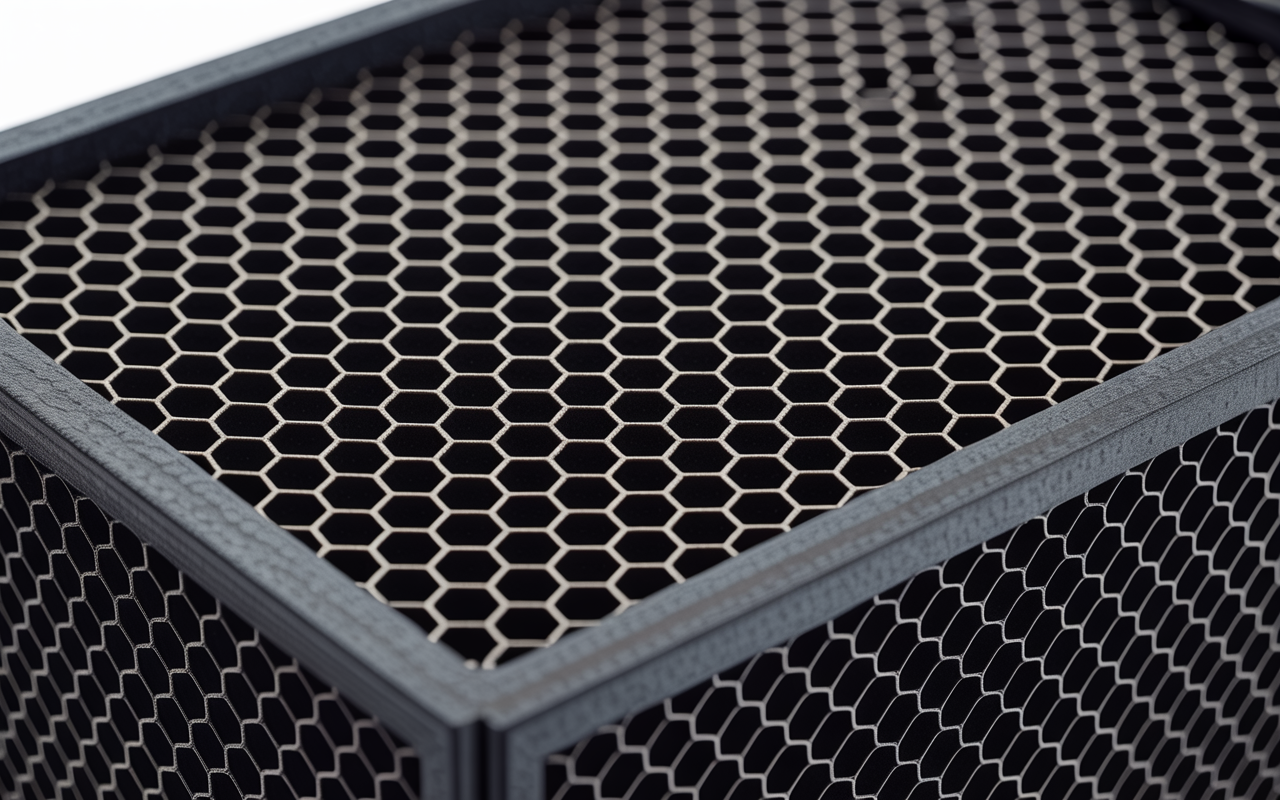
Activated carbon is processed to be extraordinarily porous, giving it an enormous internal surface area. As air passes through, gas molecules and odours are adsorbed — they stick to the carbon's surface and are held there.
What Carbon Filters Remove
- •Cooking and food odours
- •Volatile organic compounds (VOCs) from paint, furniture and cleaning products
- •Traffic and exhaust fumes
- •Smoke smells
- •General musty and stale odours
Where They Help Most
- •Kitchens and food-service areas
- •Homes and offices near busy roads
- •Newly renovated or freshly painted spaces
- •Anywhere smells are a persistent problem
Getting the Most From Carbon
Carbon filters work best as part of a multi-stage setup — a particle filter removes dust first, then the carbon stage handles odours and gases. Because carbon gradually fills up, it needs replacing periodically to stay effective.
We supply disposable and reloadable carbon panels in 25mm, 50mm and 100mm depths.
Clear the Air
If odours or fumes are an issue, a carbon filter is the answer. Call 07 3800 3448 or browse the catalogue to find the right carbon solution.
Written by
The Total Air Filtration Team
Have questions about this article or need help with your air filtration? We're here to help.