
Humidity, Condensation and Filter Performance in Queensland Houses
Queensland homes often deal with warm, humid air for long stretches, and that moisture can change how an air system behaves. It can contribute to faster filter loading, sticky dust build-up, and condensation around grilles, ducts and filter housings. For homeowners, landlords and mechanical contractors, the key is knowing what to inspect before moisture turns into avoidable maintenance issues.
Why humidity changes filter performance
A filter does not just catch dry dust. In damp conditions, airborne particles can clump together, surface grime can become tackier, and moisture can settle on cooler parts of the system. That can affect how air moves through the filter and how clean the surrounding equipment stays.
In practical terms, humid conditions can lead to:
- •faster visible loading on the filter face
- •dust that sticks more firmly to the media or frame
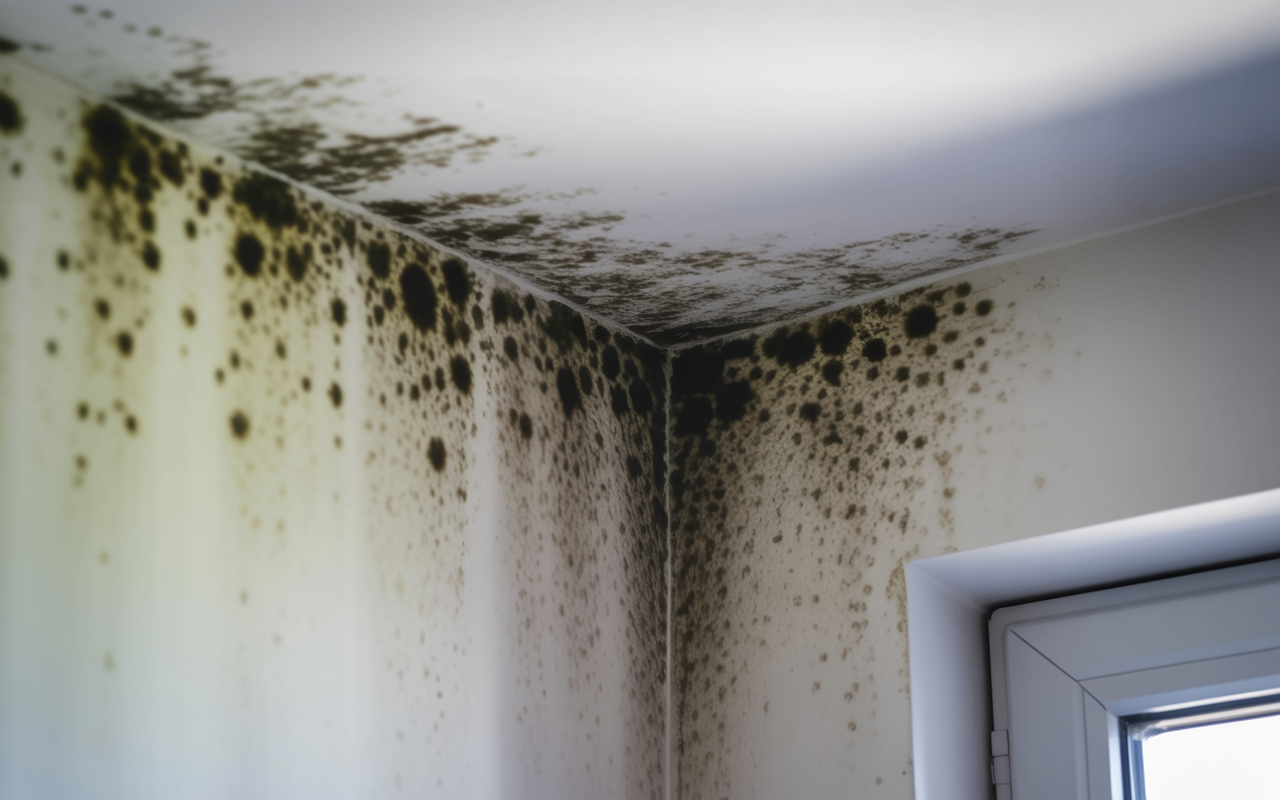
- •water droplets or damp staining near the filter slot or return grille
- •odour build-up in stagnant sections of ductwork or plant space
- •corrosion risk on nearby metal parts if moisture lingers
If a filter is operating in a home with poor drainage, limited ventilation or repeated condensation, the issue is not just the filter itself. The whole air path may need closer attention, including the housing, seals, access panels and surrounding building fabric.
What condensation means for airflow
When a surface is colder than the surrounding moist air, condensation can form. In homes, that may happen near uninsulated metal ducts, ceiling spaces, poorly sealed return air paths or filters located close to cool surfaces.
Condensation does not automatically mean the filter is faulty, but it can make pressure drop rise sooner than expected. Once a filter starts holding moisture and dust together, airflow resistance may increase and the fan may have to work against a harder load. If the system is already undersized or poorly maintained, occupants may notice weaker airflow at vents or uneven room temperatures.
For mechanical contractors, it is worth checking whether the filter location is part of the problem. A filter installed in a damp spot can be much harder to keep clean than the same product in a dry, well-sealed position.
Signs the filter location may be too damp
- •damp or stained insulation around the return air opening
- •visible condensation on nearby metalwork
- •musty odour near the filter access point
- •softened or swollen cardboard frame components
- •repeated dirt build-up on one side of the filter
If you are reviewing an existing setup, it can help to compare the installed size and format with the system requirements. If the filter dimensions are not clear, see how to measure an air filter.
How humidity affects filter loading
Filter loading is usually discussed as a dust issue, but moisture changes the way dust behaves. In a dry environment, particles may build up more evenly. In a humid home, some of that dust can bind together, cling to fibres more stubbornly, or collect in patches where air movement is uneven.
That matters because uneven loading can reduce usable filter area. A filter may look partly clean in one section and heavily blocked in another. In some systems, this can also mean bypass leakage if the filter is not seated properly or if the frame has warped from moisture exposure.
If the system uses deeper filter banks or multiple stages, the first stage may capture the heavier contamination, but damp conditions can still shorten the interval between inspections. The right approach is not to guess a schedule. It is better to inspect based on the system, the site conditions and the dust load, and to follow the filter and equipment manufacturer instructions. Where gauges are fitted, pressure drop should be monitored.
What to look for during inspection
- •visible dust mats, dark patches or edge loading
- •bowed frames or collapsed media
- •signs of moisture on the upstream or downstream side
- •dirty seals, gaskets or holding frames
- •rust, corrosion or staining inside the filter compartment
Keeping the system cleaner in damp-prone homes
Humidity management is not only about the filter. A cleaner system usually starts with reducing the chance of moisture collecting in the first place. In Queensland houses, that often means checking the whole return air path, not just the visible face of the filter.
Useful checks include:
- •make sure the filter is the correct size for the holder so air does not bypass around the edges
- •confirm the filter is seated the right way round and fully supported
- •inspect for gaps, damaged seals or warped frames
- •look for leaks from the roof space, condensate line or nearby plumbing
- •check whether return air grilles or ceiling spaces are exposed to humid outside air
- •clean up accumulated dust in the compartment before installing a fresh filter
If the home has recurring dampness, you may also need to review whether the filter type suits the site. Some applications benefit from a different media structure or frame style, and some filters are designed to be washable - check the product instructions. If you need a non-standard size or form, custom air filters may be the better option.
Which filters and standards matter in Queensland homes
For residential and light commercial work, the right filter depends on the equipment, the air quality concerns and the building layout. In Australia, you may still see older EN 779 class references such as G3, G4 and F5-F9, although ISO 16890 is now widely used in place of that system.
Those ratings do not convert directly, so it is best not to rely on rough equivalents when selecting a replacement. For higher-efficiency applications, HEPA grades are defined differently again. Under EN 1822, H13 is at least 99.95% and H14 is at least 99.995% efficiency at the most penetrating particle size, but that does not mean every home system needs that level of filtration.
In practice, the selection should suit the system design and site needs. Where ventilation design is involved, AS 1668.2:2024 may be relevant, but site requirements should be confirmed with the mechanical services engineer or building owner.
If you are choosing replacements for an existing setup, it can help to review the available our products range or discuss the application before ordering.
What landlords and contractors should record
In damp-prone homes, good records reduce guesswork. If a system keeps blocking early or showing moisture signs, note what was found at each inspection so patterns become easier to spot.
A simple site record can include:
- •filter size and type installed
- •where the filter sits in the system
- •visible dust and moisture condition at the time of inspection
- •any damaged seals, gaps or corrosion
- •whether pressure drop was checked, if gauges are fitted
- •any changes to airflow or return air performance noted by the occupier
This is especially useful where maintenance responsibility is shared between landlord, tenant and contractor. It also helps if the same home keeps returning with the same issue and you need to decide whether the problem is the filter, the housing or the building fabric.
Getting the right help for damp conditions
Humidity and condensation can make a good filter work harder than expected, especially in Queensland homes with limited ventilation or moisture problems. If you are unsure whether the issue is sizing, installation, loading or a broader system fault, a practical review can save time on repeat call-backs.
Total Air Filtration is a family-owned air filter manufacturer and supplier based in Hillcrest, Brisbane QLD. We can help supply or make the right filters for the job, including standard and custom options, and support servicing needs where required. Call 07 3800 3448 or request a quote. You can also contact us or view filter servicing and commercial filter servicing options.
Written by
The Total Air Filtration Team
General information only — always follow the instructions for your filter and system. Have questions about this article? We're here to help.