
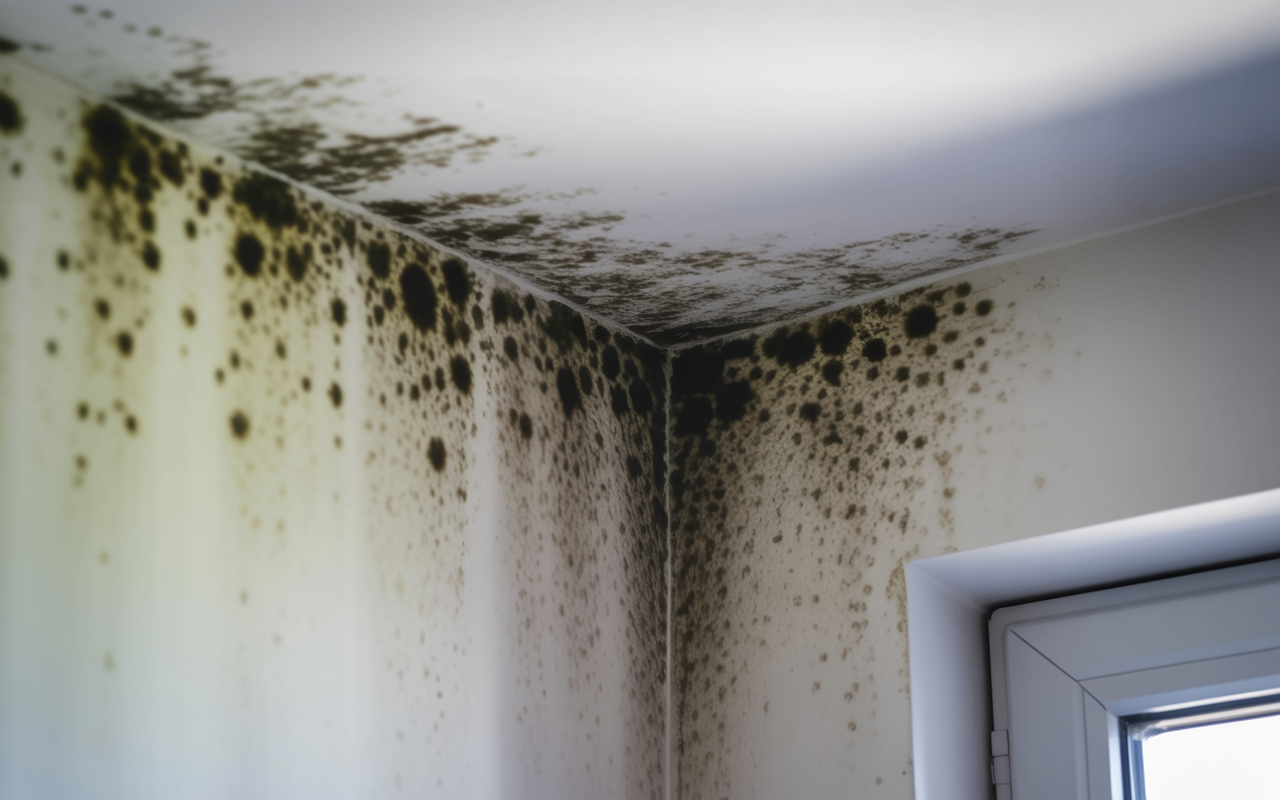
How to Diagnose a Musty Smell When the Filter Looks Clean
If a system has a musty odour but the filter looks clean, the source is often somewhere else in the air path. Moisture in the filter housing, ducting, condensate drain or coil can create smells long before dirt becomes obvious on the filter media.
For homeowners and property managers, the trick is to trace where air has been sitting, where water may have collected, and whether the system has been left damp after shutdown, poor drainage or restricted airflow.
Start with the filter, but do not stop there
A visually clean filter can still be part of the problem if it has been exposed to damp conditions, installed incorrectly, or left in place after the system has had moisture issues.
Check for:
- •A filter that is fitted backwards or not seated properly in the frame
- •Gaps around the filter where unfiltered air can pass through
- •Dark staining, patchy discolouration or a damp feel on the frame rather than the media itself
- •A housing that smells stale even when the filter surface appears clean
- •Dust build-up around the edges, which can point to air bypass rather than a blocked filter face
If you are unsure of the filter size or fit, measure the existing filter carefully before ordering a replacement. Our guide on how to measure an air filter can help.
If the filter itself is damaged, poorly fitted or not suited to the system, replacing it may solve part of the issue, but it will not remove moisture trapped elsewhere.
Check the housing for dampness and residue
The filter housing is a common place for odours to linger. Condensation can collect on metal surfaces, insulation can hold moisture, and fine dust can stick to damp areas and develop a stale smell.
Open the access panel and look for:
- •Standing water or water marks in the base of the housing
- •Rust, corrosion or discoloured insulation
- •Sludge, dirt or sticky residue near the filter track
- •Loose panels or seals that may let humid air enter the unit
If the housing has been wet, it should be dried thoroughly before the system is returned to service. In some cases, the source may be a blocked condensate drain, a failed seal or water entering from a nearby roof or wall penetration.
For systems that are difficult to access or part of a larger installation, filter servicing or commercial filter servicing may be a practical next step.
Inspect the coil and condensate path
A dirty or wet coil can be a major source of musty odour even when the filter is clean. Dust and moisture can settle on the coil surface, while a blocked drain pan or drain line can leave water sitting inside the unit.
Look for:
- •Dust or lint on the coil face
- •Mould or slime in the drain pan
- •Water not draining away after the system runs
- •A gurgling or overflowing drain line
- •Signs that the coil has not been cleaned after a period of high dust load or moisture
If the system has been switched off for a time, moisture can remain trapped in the coil section. When the system starts again, that stale smell can move through the ductwork and be mistaken for a dirty filter.
Where cleaning is required, follow the equipment manufacturer instructions. Some filters are designed to be washable - check the product instructions before doing anything with the filter itself.
Do not overlook the ducting and nearby air path
Ducts can hold odours if moisture enters the system or if there has been a leak, spill or condensation problem upstream. Even a perfectly serviceable filter will not stop a smell that is already inside the ducting.
Check for:
- •Flexible duct with sagging sections where moisture may settle
- •Insulation that feels damp or has dark patches
- •Dust stuck to interior surfaces near bends, joins or low points
- •Gaps at access panels, connections or ceiling penetrations
- •Odours strongest near specific supply outlets or return grilles
If the smell is stronger at one room grille than elsewhere, the problem may be localised. That can help narrow down whether the source is in a branch duct, a return path or the main unit.
In commercial or multi-unit settings, the expected ventilation arrangement should be confirmed against AS 1668.2:2024 with the mechanical services engineer or building owner, especially if the system has been altered over time.
Use airflow and system behaviour as clues
A musty smell that changes with fan speed, system start-up or damp weather often points to moisture rather than dust alone. Listen and observe how the system behaves, because airflow issues can help identify where the problem starts.
Useful clues include:
- •Smell appears when the system first starts, then fades
- •Odour is worse after rain, humidity or overnight shutdown
- •Airflow seems weaker than usual at some outlets
- •Filters seem clean but the system has a history of leakage or poor maintenance
- •The return air grille smells different from the supply air outlets
Restricted airflow can also contribute to damp conditions around the coil and housing by reducing how effectively moisture is removed and drained. That is why a clean-looking filter should always be checked in the context of the whole system, not in isolation.
If pressure gauges are fitted, monitor pressure drop and replace or service the filter in line with the manufacturer’s instructions and the site’s maintenance plan. Inspection frequency depends on the system, site conditions and dust load.
When to clean, when to replace, and when to call for help
A musty smell may be resolved by drying, cleaning or repairing the air path rather than changing the filter alone. In practice, the next step depends on what you find.
Consider replacing the filter if:
- •It is damaged, warped or not sealing properly
- •It has been exposed to moisture and cannot be restored to serviceable condition
- •The media or frame has absorbed odour and the product is not designed for washing
Consider cleaning other components if:
- •The housing has visible residue or damp patches
- •The coil or drain pan shows build-up
- •Duct access panels reveal dust and moisture deposits
Call in a qualified tradesperson or mechanical services technician if:
- •Water is pooling inside the unit
- •The drain line is blocked or inaccessible
- •The odour keeps returning after cleaning and drying
- •You suspect hidden mould in insulation or ducting
- •The system serves a sensitive area or complex building arrangement
For sites with specialist requirements, our products and custom air filters can help match the right filter to the system rather than forcing a poor fit.
We can help you match the right filter to the system
Total Air Filtration is a family-owned air filter manufacturer and supplier in Hillcrest, Brisbane QLD, established 2009. If you need help with a replacement filter, custom sizing or ongoing servicing support, we can supply or make the right filters for the job.
Call 07 3800 3448 or request a quote. If you need to talk through a more specific setup, contact us and we can help you work out the next step.
Written by
The Total Air Filtration Team
General information only — always follow the instructions for your filter and system. Have questions about this article? We're here to help.