
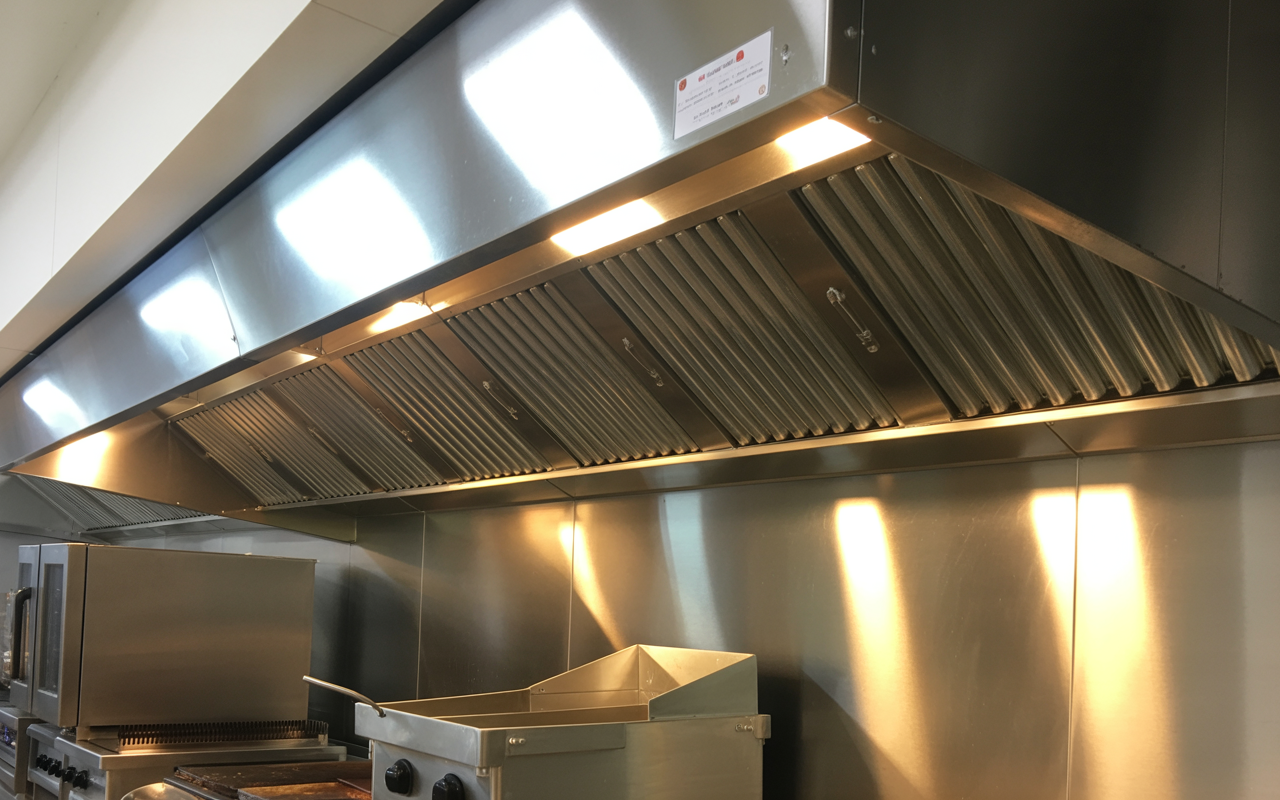
Grease Filtration for Chargrill and Open-Flame Restaurant Kitchens
Chargrill-heavy kitchens place a very different load on kitchen exhaust systems than a cookline built around fryers, griddles and light sauté work. The combination of open flame, radiant heat, smoke and fine aerosolised grease means the exhaust path has to manage more than simple splashback and vapour capture.
For restaurant chefs, mechanical contractors and industrial buyers, the key point is this: a standard grease filter arrangement may work well on a conventional line, but chargrills often need a more deliberate approach to airflow, capture and maintenance.
Why chargrills create a different filtration problem
Chargrills do not just release grease droplets. They can also generate smoke, soot, fine carbon particles, odour and sticky aerosol that behaves differently from the heavier grease thrown off by many other appliances.
That matters because:
- •fine aerosols can travel further before they cool and condense
- •smoke can stain duct surfaces and exhaust components
- •sticky residues can build up faster on baffles, impellers and ductwork
- •open-flame cooking often sends heat and turbulence into the capture zone
- •airflow can be disrupted by tall grill fronts, irregular pan positions and busy service conditions
In practice, the challenge is not only trapping large grease droplets. It is also about managing the smaller airborne contamination that can pass through or around a filter stage if the system has not been set up for chargrill duty.
Standard cookline filtration versus chargrill filtration
A standard commercial cookline usually produces a more predictable grease profile. Fryers, flat grills and light cooking equipment often throw off grease in a fairly consistent pattern, which means conventional baffle or grease capture arrangements can perform well when properly sized and maintained.
Chargrill-heavy kitchens are different because the exhaust has to deal with a broader particle mix and more variable plume behaviour. The flame, fuel source and cooking style can create bursts of smoke and fine aerosol that demand stronger capture at the hood face and more robust downstream filtration.
What changes in the system
A chargrill-focused exhaust setup may need attention to:
- •hood type and capture geometry
- •face velocity and air balancing
- •grease filter design and placement
- •access for cleaning and inspection
- •duct layout and grease management
- •the type of secondary filtration used after grease capture
This is why kitchen exhaust should be designed around the actual appliance load, not just the room size or a generic commercial kitchen template. Site requirements should be confirmed with the mechanical services engineer or building owner, particularly where the installation must align with AS 1668.2:2024 and local project requirements.
Grease capture starts at the hood
The first job is to capture the plume before it spreads out into the room or escapes into the exhaust path. If the hood does not suit the grill’s output, downstream filters will be asked to do too much.
A few practical considerations matter here:
- •the hood should cover the appliance properly, including the active cooking zone
- •the hood depth and overhang should suit the flame and smoke pattern
- •the airflow should be balanced so smoke is drawn in without excessive turbulence
- •cross drafts from doors, supply air or adjacent equipment should be checked
When a chargrill sits under the wrong hood arrangement, grease and smoke can drift around the capture zone and load up the system unevenly. That often leads to faster contamination of filters, ductwork and fans.
For those comparing options across different kitchen types, our industries we supply page is a useful starting point.
Choosing the right filter path for smoke and fine aerosol
In chargrill environments, grease filters are only one part of the answer. The best setup depends on the appliance, exhaust design and the level of smoke and fine aerosol being produced.
Common approaches include
- •primary grease filtration at the hood using filters suited to heavy loading
- •a secondary stage for finer airborne particles where the system requires it
- •odour-focused treatment where the building design calls for it
- •access-friendly housings that make inspection and cleaning straightforward
Not every system needs the same filter media or configuration. Some applications suit robust metal grease filters at the hood, while others benefit from a broader filtration strategy that considers particle capture after the initial grease stage.
If you are specifying a new line or updating an existing one, it helps to review the full system rather than only the visible hood panels. You can see the range of options on our products, and where a standard size does not fit, custom air filters may be the better path.
Maintenance matters more when smoke loading is high
Chargrill kitchens tend to load filters faster because the contamination is not limited to visible grease. Smoke residue and fine aerosol can coat filter faces, reduce airflow and create uneven loading across the exhaust system.
That means maintenance planning should be based on actual operating conditions rather than a generic timetable. Inspection frequency depends on the system, the site conditions and the dust or grease load, and you should follow the filter and equipment manufacturer instructions. Where pressure gauges are fitted, monitor pressure drop so you can see when the system is moving out of its normal operating range.
What to look for during inspection
- •uneven discolouration across filter faces
- •visible grease film on downstream surfaces
- •smoke staining in the hood, duct entry or fan section
- •changes in airflow at the hood face
- •filter damage, warping or poor seating in the frame
Some filters are designed to be washable - check the product instructions before cleaning or reusing them. Others are intended for replacement when loading or condition indicates they are no longer suitable. If the system uses service access panels, make sure they are practical for the kitchen team or maintenance contractor to open and inspect safely.
For ongoing support, our filter servicing and commercial filter servicing pages outline how we help with commercial systems.
Designing for real kitchen conditions, not ideal conditions
A chargrill line is rarely a controlled environment. Heat rises fast, food is moved constantly, and cooking intensity changes through the service period. That makes system design and filter selection more important than in a calmer cookline.
A practical approach usually considers:
- •the type of fuel and appliance used
- •how close the cookline is to the hood edge
- •whether the kitchen also includes fryers, ovens or wok stations
- •available space for maintenance access
- •how the exhaust interfaces with the building services
Where the exhaust system must fit a tight renovation footprint, the filter dimensions, frame depth and access method should be checked carefully. If you need help confirming a replacement size, how to measure an air filter is a useful reference.
Getting the specification right from the start
For chargrill and open-flame kitchens, the best results usually come from matching the capture method to the actual smoke and grease profile, then planning for maintenance from day one. That keeps the system easier to service and more predictable to operate.
If you are retrofitting an existing kitchen or designing a new one, Total Air Filtration can supply or make the right filters for the job. We are a family-owned air filter manufacturer and supplier in Hillcrest, Brisbane QLD, established 2009, and we work with commercial kitchens, contractors and buyers who need practical advice and fit-for-purpose products.
To discuss your kitchen setup, call 07 3800 3448 or request a quote. You can also contact us if you want help with sizing, replacement filters or a custom solution.
Written by
The Total Air Filtration Team
General information only — always follow the instructions for your filter and system. Have questions about this article? We're here to help.