
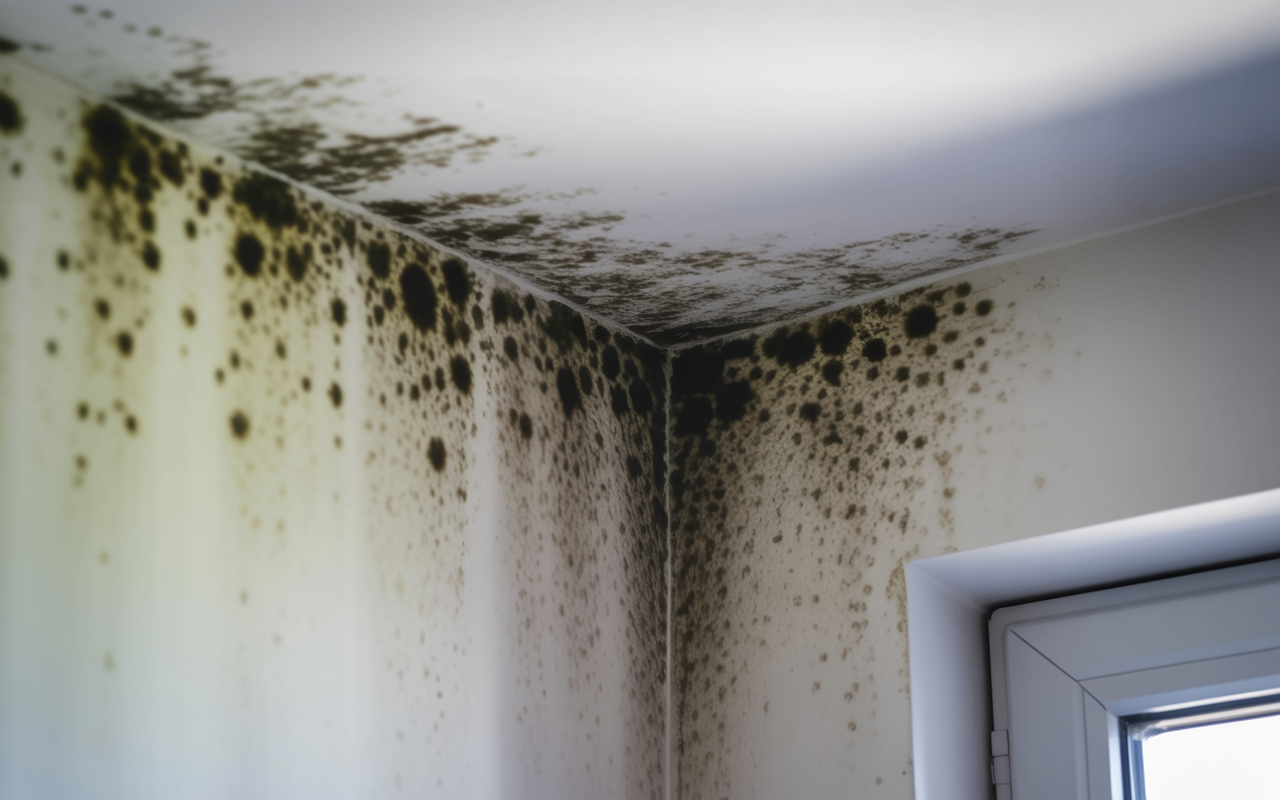
Damp Filters After Heavy Rain: Checking Roof Penetrations and Plant Room Ingress
Heavy rain can leave a filter damp, sagging or stained even when the air conditioning plant itself is operating normally. In Brisbane, the first job is to look beyond the unit and trace where water may have entered the building envelope, then moved into ductwork, the plant room or the filter housing.
If the filter is repeatedly getting wet after storms, the problem is often an ingress path rather than a mechanical fault in the cooling equipment. That means the fix may involve the roof, flashings, pipe penetrations, access doors, drainage, or the way the plant room is sealed and maintained.
Start with the building, not the filter
A damp filter is a symptom. Before replacing it again, check whether rainwater could have found its way into or around the air handling area.
Useful first checks include:
- •recent heavy rain or wind-driven rain around the time the filter became wet
- •visible staining on ceilings, bulkheads, walls or pipework near the plant room
- •water marks on duct insulation, support frames or the inside of the filter housing
- •puddling on the plant room floor near external doors, penetrations or floor waste points
- •corrosion, swollen insulation or peeling sealant around the unit
If the filter bank is in a rooftop unit or adjacent to a roof plant area, inspect the immediate surroundings for evidence that water has bypassed the intended weatherproofing. Even small defects can direct water into the airstream or onto the filter media.
Roof penetrations are a common entry path
Roof penetrations often get overlooked because the air system can appear to be functioning normally. The fans may be moving air, temperatures may look fine, and the only obvious sign of trouble is a damp filter after rain.
Check penetrations for:
- •aged or split sealant around pipe and cable entries
- •loose flashing, capping or weather skirts
- •gaps where new services were added after the original installation
- •fasteners that have backed out or rusted
- •damaged weatherproof boots around conduits or pipework
It is worth checking whether penetrations are still watertight after maintenance work. A roof contractor may have disturbed a nearby seal, or another trade may have installed services without properly resealing the opening.
If the building has parapets, box gutters or roof-mounted plant, also look for overflow paths. Water can run under flashings, against upstands or along framing before dripping into a plant room or duct intake.
Where to look inside the roof space
If safe access is available, inspect the underside of the roof around the plant area for:
- •rust streaks or water trails on steelwork
- •damp insulation batts or liner panels
- •mould growth on surrounding materials
- •drips from service lines, cable trays or tray supports
- •wet spots directly above the air intake or filter housing
Do not assume the leak is directly over the wet filter. Water can track several metres from the entry point before it becomes visible.
Plant room ingress can wet filters without an AC fault
Plant rooms can take on water in a few different ways during Brisbane storms. Some are obvious, such as rain entering through a poorly sealed door. Others are less obvious, like wind-driven water forced through louvres or through tiny gaps around wall penetrations.
Common ingress points include:
- •external plant room doors with worn seals or poor closing alignment
- •louvred openings exposed to wind-driven rain
- •unsealed penetrations for refrigerant pipework, drains or electrical cabling
- •floor levels that allow water to flow in from adjacent areas
- •failed waterproofing at thresholds or plinths
If the filter is mounted close to an intake louvre or external opening, moisture can be drawn straight into the system. That does not necessarily mean the fans or coils are at fault. The issue may simply be that the surrounding room is receiving rainwater and the intake is pulling that moist air across the filter.
How to tell whether the filter housing is the problem
Once obvious building ingress has been checked, inspect the filter housing itself. A housing can let water in even when the rest of the system is sound.
Look for:
- •missing or compressed gaskets on access doors
- •warped frames that stop the filter from sealing evenly
- •loose clips, latches or retaining bars
- •gaps around access panels
- •internal condensation where cold surfaces meet humid air
If the filter sits in a holding frame, make sure the filter has been installed the right way around and is seated evenly. A poorly fitted filter can allow bypass air, and in wet weather it may also allow water to collect in low points of the frame.
For sites that use different filter grades across stages, confirm the correct product is in the correct location. G3/G4/F5-F9 are EN 779 classes, which are still commonly referenced in Australia even though ISO 16890 is now widely used. If you are unsure about a replacement, check the equipment documentation or measure the existing filter before ordering. Our guide on how to measure an air filter may help when matching dimensions.
What to do with a damp filter
A damp filter should not simply be pushed back into service without checking why it became wet. The material can distort, the frame can weaken, and the housing can retain moisture if the source is not addressed.
Practical steps include:
- •isolate the cause of water entry before fitting a replacement
- •inspect the filter rack and surrounding surfaces for standing water
- •wipe down the housing and let it dry fully where possible
- •check neighbouring insulation and seals for trapped moisture
- •document when the issue happened and which area was affected
Some filters are designed to be washable - check the product instructions before cleaning or reusing them. If the product is not designed for washing, do not assume it can be dried and reused safely. Follow the filter and equipment manufacturer instructions, and monitor pressure drop where gauges are fitted.
Inspection frequency should depend on the system, the site conditions and the dust load. A wet-weather problem may justify extra checks after storms until the ingress path is found and corrected.
When to involve the right trades
If you find repeat wetting after rain, the solution may require several people, not just a filter replacement. A mechanical services engineer, roof plumber, waterproofing contractor or building owner may all need to be involved, depending on where the water is entering.
That is especially important where the plant serves critical areas or where access is difficult. For systems designed to meet ventilation requirements under AS 1668.2:2024, site requirements should be confirmed with the mechanical services engineer or building owner before changes are made.
For Brisbane sites, it is also worth checking whether nearby landscaping, roof drainage or external paving is sending water toward the plant room during storms. A simple change in drainage path can make the difference between a dry housing and a recurring wet filter.
Getting the right replacement filter after the cause is fixed
Once the ingress path has been identified and corrected, the next step is fitting the right replacement filter and ensuring it matches the housing and operating conditions.
Total Air Filtration is a family-owned air filter manufacturer and supplier in Hillcrest, Brisbane QLD, established 2009. We can supply standard products or make the right filters for your application, including options for commercial sites and custom sizes.
If you need help confirming dimensions, product type or replacement options, see our products, explore custom air filters or book filter servicing for a practical site check.
If your filters are damp after rain and you want help tracing the cause, call Total Air Filtration on 07 3800 3448 or request a quote.
Written by
The Total Air Filtration Team
General information only — always follow the instructions for your filter and system. Have questions about this article? We're here to help.