
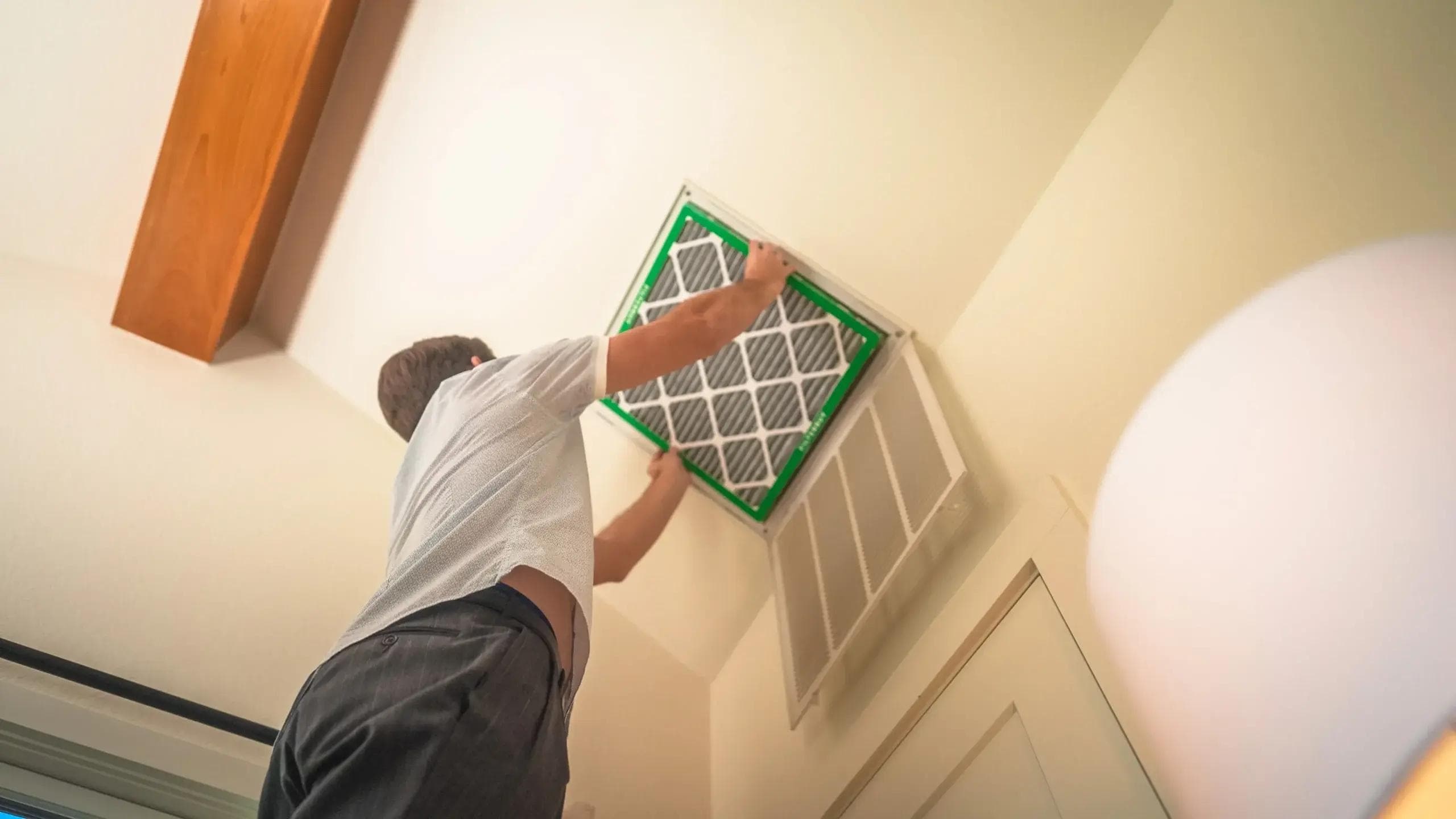
Ceiling-Mounted Cassette Units in Apartments: Cleaning the Intake Grille and Filter Frame
Ceiling-mounted cassette units are common in apartments because they suit compact layouts and can sit neatly within the ceiling space. When they are accessible for maintenance, the intake grille and filter frame are two of the most important parts to keep clean and correctly seated, especially where dust build-up, cooking residues or renovation dust can collect quickly.
For apartment owners, strata managers and contractors, the key is not just removing visible dust. It is also checking that the grille opens properly, the filter media can be cleaned without damage, and the frame seals back into position so air is drawn through the filter rather than around it.
Why the intake grille matters in apartment cassette systems
The intake grille is the first surface air meets before it reaches the filter media. If it becomes coated with lint, dust or sticky residue, airflow can become uneven and the unit may look neglected even when the rest of the system is working as intended.
In apartment settings, grilles are often exposed to:
- •airborne dust from open windows and balconies
- •cooking vapours and grease from nearby kitchen areas
- •renovation dust from nearby works
- •lint from everyday indoor activity
A clean grille also makes inspections easier. If the grille is blocked or discoloured, it can hide damaged filter media, loose clips or a warped frame that needs attention.
How to access the intake grille safely
Before opening any cassette unit, check the building’s procedures and any instructions from the equipment manufacturer. In shared buildings, access may need to be coordinated with the owner, strata manager or building maintenance contact.
A practical approach is to:
- •isolate the unit if required by site procedure
- •use the correct ladder or access equipment for the ceiling height
- •open the grille gently so hinges, clips or latches are not forced
- •support the grille while checking for dust, damage or poor alignment
If the grille feels stiff, do not force it. A tight or jammed opening can indicate a bent hinge, clipped frame, or a buildup of grime around the edge. For units in difficult-to-reach ceilings, it is often sensible to arrange maintenance rather than risk damage to the panel, grille or surrounding plaster.
Cleaning the intake grille without damaging the finish
The grille usually benefits from a gentle clean rather than aggressive scrubbing. Paint, powder-coated finishes and plastic components can be marked by harsh products or rough cloths.
Use a method suited to the material:
- •vacuum loose dust from the surface first
- •wipe with a damp cloth and a mild cleaner where appropriate
- •clean the edges and louvres where dust collects
- •dry the grille before closing the unit
If the grille has oily residue, particularly near kitchen-adjacent apartments, a slightly stronger but still suitable cleaning product may be needed. Always check the product instructions and avoid soaking electrical or internal components.
If the grille is removable, place it on a clean surface during cleaning and inspect the corners, clips and mounting points. Bent tabs or cracked plastic can stop the grille from closing flush later on.
Washing filter media: only where the product is designed for it
Some filters are designed to be washable - check the product instructions. Do not assume a filter can be rinsed just because it looks reusable. Many filter materials lose shape, efficiency or fit if they are washed incorrectly.
When washing is permitted by the manufacturer, the usual approach is to:
- •remove the filter carefully so dust is not released back into the room
- •tap off loose debris outside or over a suitable waste container
- •rinse gently with water as directed
- •avoid hot water, harsh chemicals or high-pressure washing unless the product instructions specifically allow it
- •let the filter dry fully before reinstalling it
A wet or partly dried filter can restrict airflow, encourage odour build-up, and create a poor seal if it is pushed back into the frame too soon. If the filter media is torn, sagging, compressed or permanently stained, it may be better to replace it rather than clean it again.
If you are sourcing replacements, you can view our products or order custom air filters when the cassette unit needs a specific size or media type.
Checking the filter frame seal
The frame seal is just as important as the filter media itself. If the frame does not sit squarely in the cassette, air can bypass the filter and carry dust through the unit without passing through the media.
When inspecting the frame, look for:
- •gaps around the perimeter
- •warped or crushed frame edges
- •missing or flattened gasket material
- •loose retaining clips or latches
- •signs that the frame has been inserted the wrong way around
A good seal depends on the frame matching the housing properly. If the frame is too small, the wrong profile, or damaged at the corners, it may look installed while still leaking air around the edges. That is why it helps to check the fit every time the filter is cleaned or replaced.
If the building has pressure gauges fitted, monitor pressure drop in line with the system design and the equipment instructions. Changes in pressure drop can help indicate when the filter is becoming loaded, although the actual service approach should always follow the manufacturer’s guidance and the site conditions.
Apartment-specific maintenance tips for strata and contractors
Apartment cassette units often sit inside finished spaces, so maintenance needs to be tidy, predictable and considerate of occupants.
A few practical habits help:
- •protect flooring and furniture before opening the unit
- •keep spare seals, clips and replacement filters on hand where possible
- •record the filter size and frame type after inspection
- •check for dust sources nearby, such as bathroom exhaust issues or nearby building works
- •confirm access arrangements ahead of time for occupied apartments
For multi-residential sites, it can also help to align maintenance with the building’s ventilation requirements and the mechanical services design. If there is any uncertainty about whether a cassette unit fits the intended application, site requirements should be confirmed with the mechanical services engineer or building owner, including any relevant considerations under AS 1668.2:2024.
When the existing filter arrangement is awkward to reach or difficult to maintain, a better-fitting replacement or a custom-made option can simplify future servicing. Our filter servicing and commercial filter servicing pages explain how we support maintenance work across different sites.
When to replace rather than clean
Cleaning is useful, but it is not always the right answer. A filter or frame should be replaced if:
- •the media has split, collapsed or worn thin
- •the frame no longer holds its shape
- •the seal cannot be restored after cleaning
- •repeated washing leaves the filter stained, brittle or distorted
- •the unit has been modified and the current filter no longer fits properly
For apartment renovations, switchovers or tenancy turnovers, it can be worthwhile to measure the old filter carefully before ordering a replacement. If you need help with sizing, see how to measure an air filter.
Need a replacement filter or a custom size?
Total Air Filtration is a family-owned air filter manufacturer and supplier based in Hillcrest, Brisbane QLD, established 2009. We can help supply the right filter or make a custom option for apartment cassette units, shared buildings and maintenance programs.
Call 07 3800 3448 or request a quote. You can also contact us if you want help identifying the right filter frame, media type or replacement size.
Written by
The Total Air Filtration Team
General information only — always follow the instructions for your filter and system. Have questions about this article? We're here to help.