
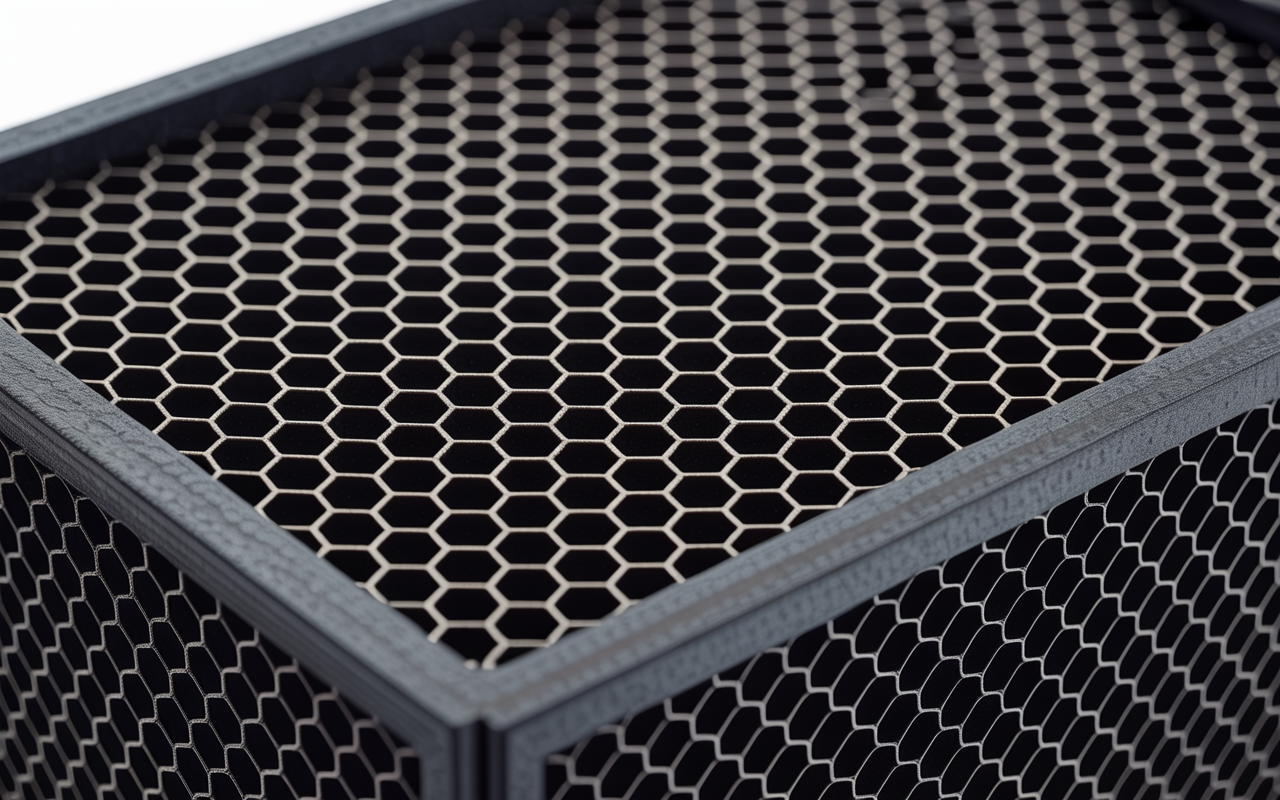
Carbon Filters for Takeaway Shops Dealing With Hot Food Odours
Takeaway shops have a specific air quality challenge: the smells that make food appealing in the kitchen can become a problem at the front door or in the tenancy next door. When frying, spice-heavy cooking or hot hold food creates persistent odours, activated carbon can be a practical part of the fit-out solution, especially where conventional grease filtration alone is not enough.
The key is knowing when carbon is useful, and when another approach is more appropriate. In many takeaway fit-outs, the best result comes from combining grease capture, airflow control and the right carbon media for the odour load.
Why odours become an issue in takeaway fit-outs
Hot food odours are more noticeable than cold smells because warmth helps volatile compounds travel further. That matters in small tenancies, strip shops and centres where the entry door opens directly to shared walkways or where a neighbouring tenant is close by.
Common situations include:
- •Fryers sending a strong cooking smell into the front-of-house area
- •Spice blends, curries or marinades lingering after service
- •Hot pass or warming equipment releasing odours near the entry door
- •Mechanical exhaust discharging too close to fresh-air intakes, walkways or neighbouring tenancies
- •Recirculating systems moving odours back into customer areas
In these settings, landlords and mechanical contractors are often looking for a way to improve comfort at the tenancy boundary without making the system overly complex. Activated carbon can help, but only when the source of the odour is understood and the system is designed around it.
What activated carbon does, and where it helps
Activated carbon works by adsorbing odorous gases and vapours onto a highly porous surface. It is different from a dust or grease filter, which captures particles. That means carbon is useful for smells, but it is not a substitute for grease filtration or proper exhaust design.
For takeaway shops, carbon can be helpful when the odour problem is caused by:
- •Persistent frying odours
- •Strong spices and aromatic cooking vapours
- •Hot-food smells that escape through door openings or transfer grilles
- •Light to moderate odour issues where the airflow path is already well controlled
Carbon is most effective when the air going through it is already cleaned of grease and larger particles. Grease loading can shorten useful life and reduce performance, so the pre-filtration stage matters.
In practical terms, a takeaway fit-out often uses a staged approach:
- •A grease filter or pre-filter to catch larger cooking residues
- •A finer filter stage where needed to protect downstream components
- •Activated carbon to target odours in the exhaust or recirculation path
If you are planning a fit-out, it can help to review the full filter arrangement early rather than adding carbon later as an afterthought. Our products range includes commercial filter options for a range of airflow and housing arrangements.
When carbon is a good fit, and when it is not
Activated carbon is worth considering when the odour issue is real but contained, and when there is space in the system for an appropriate filter arrangement.
It is often a good fit when:
- •The odour source is steady and identifiable
- •The system has a defined air path, with enough room for pre-filtration and carbon stages
- •The issue is strongest near the entry door or boundary with another tenancy
- •The landlord wants to manage complaints without changing the whole exhaust layout
Carbon may be less effective when:
- •The cooking load is very heavy and grease levels are high
- •The exhaust system is undersized or poorly balanced
- •Odours are being pulled into the shop from poor pressure control, rather than being produced only by cooking
- •The tenancy layout leaves little room for a suitable filter bank
In those cases, the better answer may be to review the exhaust path, fan selection, discharge location and pressure relationships first. Carbon can still play a role, but it should not be expected to fix a system design issue on its own.
Design points to check before choosing a carbon filter
A good carbon solution starts with the physical fit. The right media will only perform well if it is installed in a housing that suits the system and the site conditions.
Before specifying carbon, check:
- •Airflow rate and available static pressure
- •Filter face area and housing depth
- •Whether the system needs panel, bag or cartridge-style arrangements
- •The available space for access, service and safe replacement
- •The type of cooking being done and the likely odour intensity
- •Whether the carbon stage is exposed to grease carry-over
It is also worth confirming the broader ventilation arrangement against site requirements and AS 1668.2:2024 with the mechanical services engineer or building owner. Site conditions can vary a lot between centres, street-front takeaways and food courts, so there is no single layout that suits every shop.
If you are measuring an existing filter for replacement or a custom housing, our guide on how to measure an air filter may help reduce errors before you order.
Servicing matters as much as specification
Carbon filters are not set-and-forget items. Their effectiveness depends on the odour load, the cooking style, the amount of grease upstream and how the system is maintained.
Inspection frequency depends on the system, site conditions and dust load. Follow the filter and equipment manufacturer instructions, and monitor pressure drop where gauges are fitted. In a takeaway shop, that usually means keeping an eye on:
- •Visible grease build-up upstream of the carbon stage
- •Odour breakthrough at the tenancy front or nearby boundary
- •Changes in airflow, fan noise or pressure readings
- •Signs that access doors or seals are no longer closing properly
Some filters are designed to be washable - check the product instructions. For most carbon products, replacement or media renewal is the more common service approach, but the exact arrangement depends on the system design.
For ongoing maintenance, filter servicing and commercial filter servicing can help keep the system aligned with the original design intent.
Making the right call for takeaway odour control
If the problem is mild, a simple grease filtration change may be enough. If the issue is persistent and customers or neighbours notice it near the entry door, activated carbon becomes much more relevant. The goal is not to overspecify the system, but to match the filter media to the actual odour source and airflow path.
For landlords, that means thinking about tenancy amenity as part of the fit-out review. For mechanical contractors, it means checking space, pressure drop, access and grease loading before selecting a carbon stage. For takeaway owners, it means understanding that the strongest smell in the kitchen is not always the same thing as the smell that escapes into the centre.
If you need a tailored solution, Total Air Filtration is a family-owned air filter manufacturer and supplier in Hillcrest, Brisbane QLD, established 2009. We can help supply or make the right filters for your takeaway fit-out, including custom options where required.
Call 07 3800 3448 or request a quote. You can also contact us or view our products for more options.
Written by
The Total Air Filtration Team
General information only — always follow the instructions for your filter and system. Have questions about this article? We're here to help.