
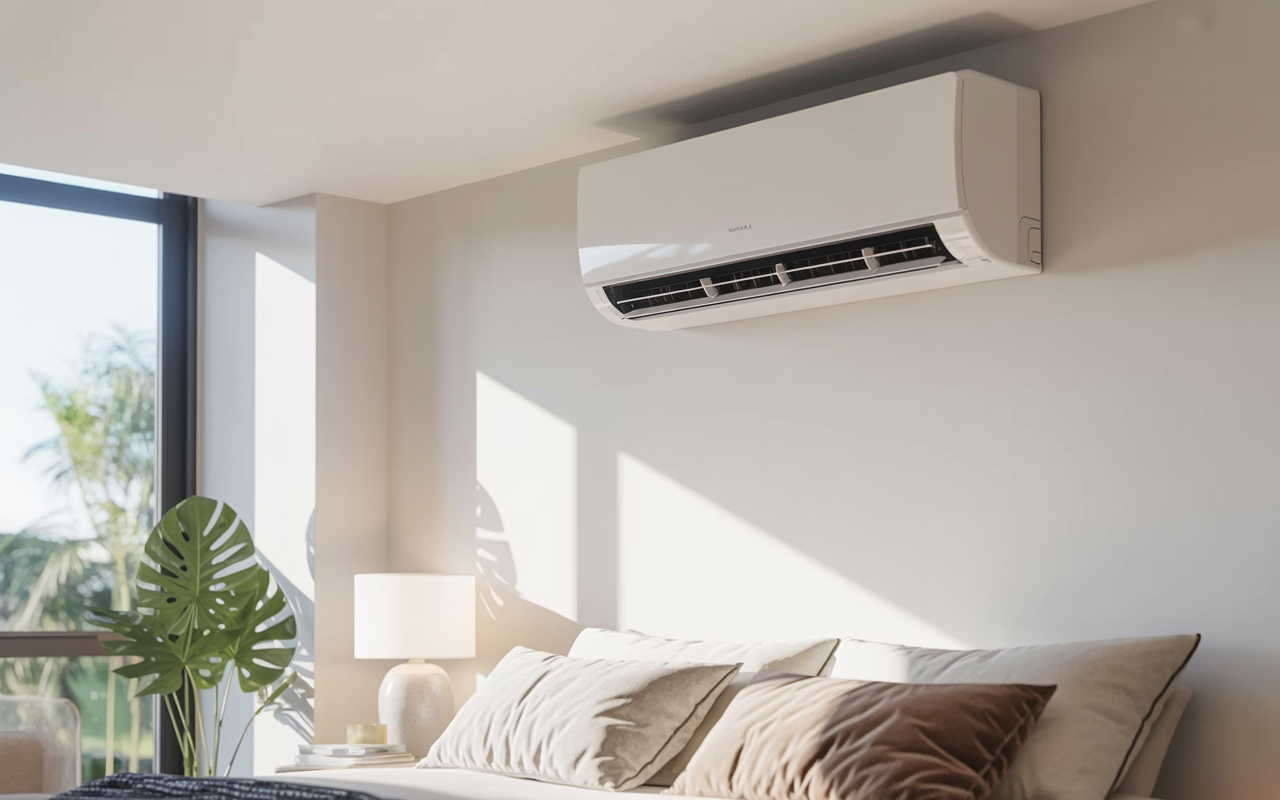
Filters for Boardrooms with Ceiling Cassettes: What to Check Before an Upgrade
Boardrooms with ceiling cassette systems can look simple from the outside, but filter upgrades often come down to access, fit, airflow and the way the unit is actually used. If the wrong filter is fitted, or if the cassette is difficult to service, the result can be poor airflow, nuisance noise and a harder maintenance job than expected.
For mechanical contractors, building managers and fit-out consultants, the key is to check what the system can physically accept before deciding what the boardroom should run on day to day. A good upgrade starts with the cassette itself, the available space above the ceiling, and the maintenance routine the site can realistically follow.
Start with the cassette, not just the filter rating
Ceiling cassettes are often installed in tight ceiling spaces with limited access around services, structural members and ceiling tiles. Before selecting a replacement filter, confirm the unit model, filter frame size and how the filter is retained.
A filter that looks close enough on paper may not seat properly in the cassette, which can allow air to bypass the media. That can reduce the effectiveness of the filtration and make the system harder to balance. If the original filter is unavailable, how to measure an air filter is a useful starting point for checking dimensions before ordering.
It is also worth checking whether the cassette was designed for:
- •panel filters
- •pleated filters
- •pocket filters
- •higher-efficiency upgraded media
If the replacement changes thickness, resistance or frame style, confirm that the cassette can still close correctly and that access panels remain usable after installation.
Check the access path
Boardrooms are often finished with careful ceiling details, lighting and audiovisual equipment. That can make routine servicing awkward, especially when the cassette is above a ceiling tile or located near fixed joinery.
Before an upgrade, ask:
- •Can the filter be removed without disturbing nearby services?
- •Is there enough clearance to slide the filter out and back in?
- •Will a deeper or stiffer filter still fit through the access opening?
- •Is there room for safe ladder or platform access?
If access is poor, it may be better to choose a filter format that suits the site rather than one that is technically possible but difficult to maintain.
Match airflow needs to the actual system
A boardroom cassette is usually selected to deliver conditioned air quietly and evenly. A filter upgrade should support that, not fight it. The key consideration is pressure drop: the resistance the filter adds to airflow.
Higher-efficiency filters generally create more resistance than basic filters, which can affect supply air volume if the fan or system is not set up for it. That matters in boardrooms, where occupants often notice draughts, noise changes or uneven temperature more quickly than in other spaces.
Before changing filter type, check:
- •the fan capacity and whether it has margin for additional resistance
- •whether the system has pressure gauges or another way to monitor filter loading
- •whether the cassette is part of a wider fresh air or recirculation arrangement
- •whether the upgrade could require rebalancing by the mechanical services engineer
If the site follows AS 1668.2:2024, confirm the filter choice and any related site requirements with the mechanical services engineer or building owner. The standard and the building design need to be considered together, rather than treating the filter as an isolated component.
Don’t rely on rating labels alone
MERV, EN 779 and ISO 16890 are not direct conversion systems, so a number on one product sheet does not automatically match a number from another standard. In Australia, you may still see G3/G4/F5-F9 references, even though EN 779 has been superseded by ISO 16890.
When comparing options, look at the intended application, the filter’s construction, the equipment’s airflow limits and the manufacturer’s guidance. For boardrooms, the aim is usually to balance dust capture with stable operation and manageable servicing.
Think about the room’s use, not just the ceiling unit
Boardrooms are often used for long meetings, presentations and client-facing conversations. That means quiet operation, consistent temperature and a tidy ceiling finish are often just as important as filtration performance.
A filter upgrade can affect the room in practical ways:
- •a heavier pressure drop can change airflow balance
- •a deeper filter may be harder to remove in a finished ceiling
- •a filter that sheds debris during installation can create cleanup work
- •poor sealing can let dust bypass the media and stain surrounding surfaces over time
If the boardroom is used intermittently, dust loading may build differently than in a constantly occupied open office. Inspection frequency depends on the system, site conditions and dust load, so use the equipment instructions and monitor pressure drop where gauges are fitted rather than relying on a fixed schedule.
Consider the indoor finish and ceiling layout
Ceiling cassettes in boardrooms are often surrounded by decorative lighting, acoustic features or joinery. When upgrading filters, think about the knock-on effect of servicing access, ceiling tile removal and the chance of accidental marks or damage during maintenance.
A filter that is easy to install and remove can make a real difference on a site where appearance matters. In some cases, a custom size or special frame arrangement may be the cleaner long-term solution. custom air filters can be useful when standard dimensions or media types do not suit the cassette or the ceiling space.
Choose the right media for the site conditions
The best filter for a boardroom cassette depends on what the system is trying to handle. Some sites mainly need general dust capture, while others may want finer filtration because of nearby construction, street dust or higher occupant expectations.
When reviewing media options, check:
- •the filter’s intended efficiency range
- •whether the cassette can handle the pressure drop
- •whether the frame and seal suit the housing
- •whether replacement filters are readily available for ongoing maintenance
Some filters are designed to be washable - check the product instructions. That can be useful in certain applications, but it is not a blanket option for all cassette filters, and it should never be assumed without checking the specific product.
If the boardroom sits within a larger office fit-out, it can help to look at the whole building strategy rather than a single room in isolation. The same supplier may also need to support corridor units, tenancy air handling systems or other areas with different requirements. See our products or industries we supply if you are matching filters across several spaces.
Plan the upgrade around servicing and replacement
A good filter upgrade should make future servicing straightforward. If the boardroom cassette is awkward to reach, the wrong choice can turn routine maintenance into a disruptive task that needs extra time and access equipment.
Before signing off the upgrade, confirm:
- •the correct dimensions and seal arrangement
- •how the filter is secured in the cassette
- •whether replacement can be done without disturbing the ceiling finish
- •whether the building team can inspect pressure drop where gauges are fitted
- •whether the supplier can provide the same or compatible filter again when needed
If the filters are part of a broader maintenance plan, it may be worth aligning them with filter servicing or commercial filter servicing support so the site has a clear process for checks, replacements and record-keeping.
Talk to a supplier who understands the job
Boardroom ceiling cassettes are not the place to guess on size, seal or airflow. A short check at the beginning can save repeated call-backs later, especially where access is tight or the room layout leaves little margin for error.
Total Air Filtration is a family-owned air filter manufacturer and supplier in Hillcrest, Brisbane QLD, and we can help supply or make the right filters for cassette applications. Call 07 3800 3448 or request a quote, and if you need to confirm a detail first, contact us.
Written by
The Total Air Filtration Team
General information only — always follow the instructions for your filter and system. Have questions about this article? We're here to help.