
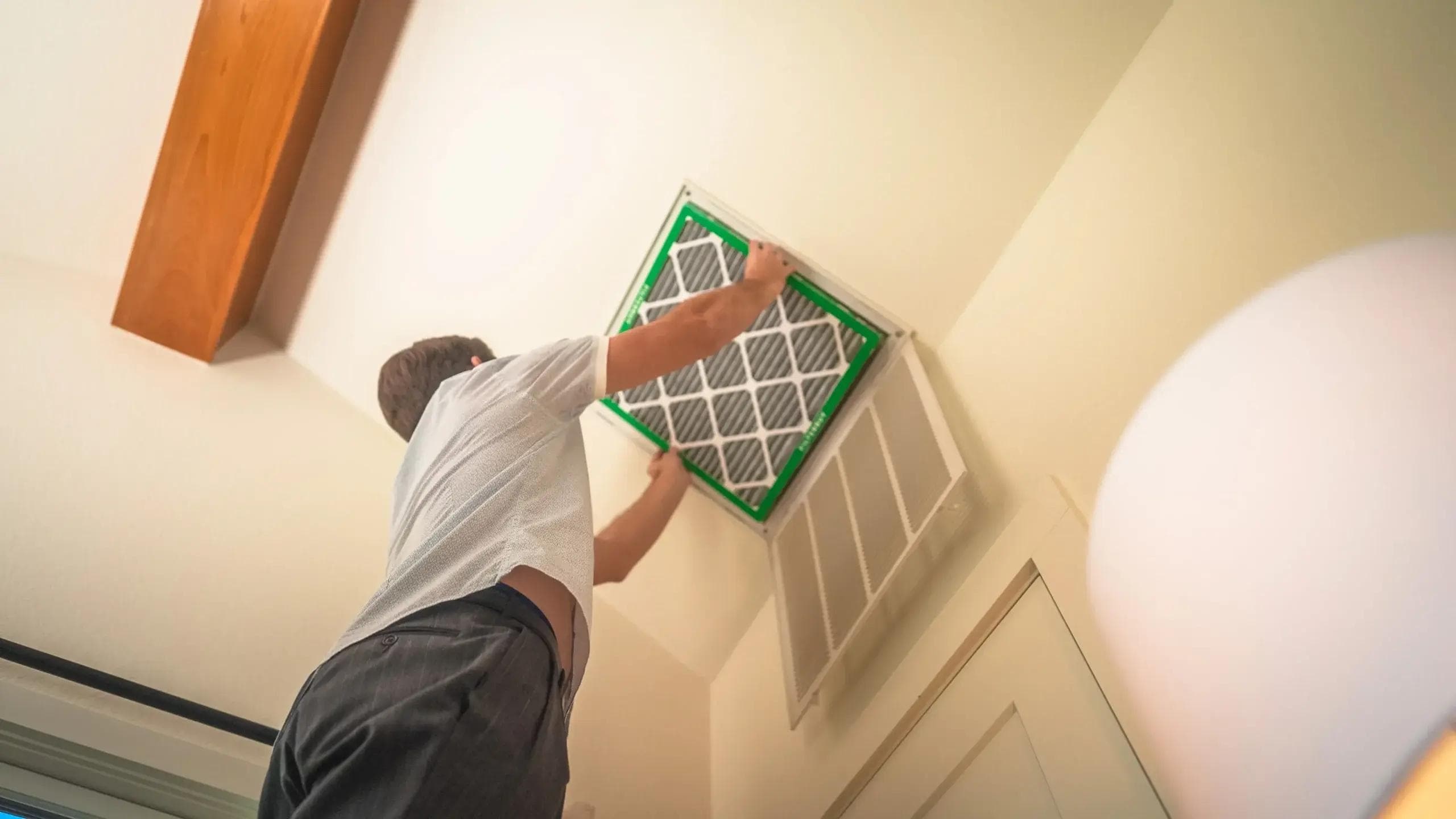
Air Filtration for Homes on Large Blocks with Gravel Driveways
Homes on large blocks often look open and airy, but they can also bring a steady stream of dust indoors. Gravel driveways, unsealed turning areas and windy site conditions can all send fine particles into the air, where they are picked up by the return-air system and circulated through the home.
For homeowners and builders, the key is not just choosing a filter, but making sure the return-air setup is matched to the site. The right filter arrangement can help capture more dust before it builds up in the system, but it also needs to suit the fan, ductwork and cabinet space.
Why gravel driveways create a dust problem
Gravel driveways and unsealed access roads can throw up dust whenever cars, utes, trailers or delivery vehicles move over them. That dust does not stay outside. It settles on nearby surfaces, gets tracked inside on shoes, and can be drawn into open doors, windows and garage-to-house connections.
On larger blocks, the problem is often more noticeable because:
- •vehicles travel longer distances over unsealed surfaces
- •driveways may sit close to the home’s fresh air intakes or return-air path
- •landscaping may not fully block dust movement in dry or windy weather
- •work vehicles, pets and outdoor living areas increase particle movement around the house
Once dust is inside, the return-air grille and filter are the first line of capture in a ducted system. If the filter setup is too light for the site, or the filter is fitted poorly, dust can settle in the return plenum, ducts and fan components.
What to look for in the return-air filter setup
A good return-air filter setup should do more than simply fit the grille. It should be sized correctly, sealed properly and chosen with the site’s dust load in mind.
Fit and air path
The filter should sit securely in the return-air frame without obvious gaps around the edges. If air can bypass the filter, dust can travel straight through the system.
Builders and homeowners should check:
- •the filter is the correct size for the grille or filter rack
- •the frame or track holds the filter flat and square
- •the surrounding cabinet or return space is not warped or damaged
- •the access panel closes cleanly after the filter is installed
If you are unsure how to measure the existing filter or frame, our guide on how to measure an air filter may help.
Filter type and dust loading
For dusty rural or semi-rural sites, a very coarse filter may not be enough to manage fine driveway dust. At the same time, a filter that is too restrictive for the system can reduce airflow if the fan and duct design are not suitable.
That is why the filter choice should be matched to the system design and the conditions on site. In Australia, many projects still refer to EN 779 classes such as G3, G4 and F5 to F9, while newer designs may use ISO 16890 terminology. These ratings do not convert directly, so the best option depends on the equipment and the intended dust capture level.
If the home is designed around a more demanding ventilation standard, site requirements should be confirmed with the mechanical services engineer or building owner in line with AS 1668.2:2024.
Pressure drop and access
A filter only works properly when it is maintained and the system can still breathe. Where gauges are fitted, check pressure drop and follow the filter or equipment manufacturer instructions for inspection and replacement decisions.
That matters on dusty blocks because a filter can load up faster when:
- •the driveway is unsealed
- •there is heavy vehicle movement
- •nearby earthworks are underway
- •the home is exposed to strong prevailing winds
If the filter cabinet is awkward to reach, people are less likely to inspect it, which can lead to dust bypass or neglected maintenance.
Builder considerations for new homes on large blocks
For builders, the return-air filter setup should be planned early, not treated as an afterthought. The dust profile of the site can affect cabinet size, filter format and service access.
A few practical points to consider are:
- •place return-air intakes away from the dustiest parts of the block where possible
- •allow enough wall or ceiling space for a proper filter cabinet rather than forcing a tight fit
- •confirm that the chosen filter size and class suit the fan and duct design
- •provide clear access for inspections, cleaning and filter changes
- •consider whether the home’s lifestyle areas, garage connections or mudroom access will increase indoor dust tracking
If the design needs a non-standard size or deeper filter arrangement, custom air filters may be the best path rather than trying to adapt an unsuitable off-the-shelf option.
Maintenance on dusty sites
Dusty driveways mean filter maintenance should be based on actual site conditions, not a fixed calendar rule. Inspection frequency depends on the system, the local dust load and how the home is used.
A sensible routine is to:
- •inspect the filter when the system is serviced or when airflow changes are noticed
- •check pressure drop where gauges are installed
- •look for dust bypass around the frame or cabinet
- •inspect the return grille and nearby duct access points for visible dust build-up
- •follow the filter and equipment manufacturer instructions for cleaning or replacement
Some filters are designed to be washable - check the product instructions before attempting to clean one. If a filter is damaged, distorted or not sealing properly, replacement is usually the safer option than trying to reuse it.
It is also worth checking the return grille itself. A dust-loaded grille can restrict airflow and make the system appear to be the problem when the issue is actually a blocked intake or poor sealing around the filter.
Choosing the right product for the site
Not every home on a large block needs the same filter solution. The right choice depends on the air handler, grille size, space available and how much dust the site produces.
When comparing options, look at:
- •the filter dimensions and depth
- •the filter class or rating used by the equipment designer
- •whether the frame or cabinet gives a proper seal
- •whether the filter can be accessed easily for inspection
- •whether the product is intended for the specific return-air application
If the existing setup is undersized or awkward, it may be better to change the cabinet or filter arrangement rather than keep replacing the same underperforming filter. For homes with repeated dust issues, a purpose-built solution can make day-to-day maintenance much easier.
You can also browse our products if you are comparing options for a new build or an upgrade.
Working with Total Air Filtration
Total Air Filtration is a family-owned air filter manufacturer and supplier based in Hillcrest, Brisbane, Queensland. We help homeowners, builders and mechanical teams select filters that suit the site, the equipment and the dust conditions.
If your home sits on a large block with a gravel driveway, we can help you identify the right return-air filter setup or supply a custom option to match the space. Call 07 3800 3448 or request a quote. If you need help with ongoing upkeep, see our filter servicing options or contact us to discuss the application.
Written by
The Total Air Filtration Team
General information only — always follow the instructions for your filter and system. Have questions about this article? We're here to help.