
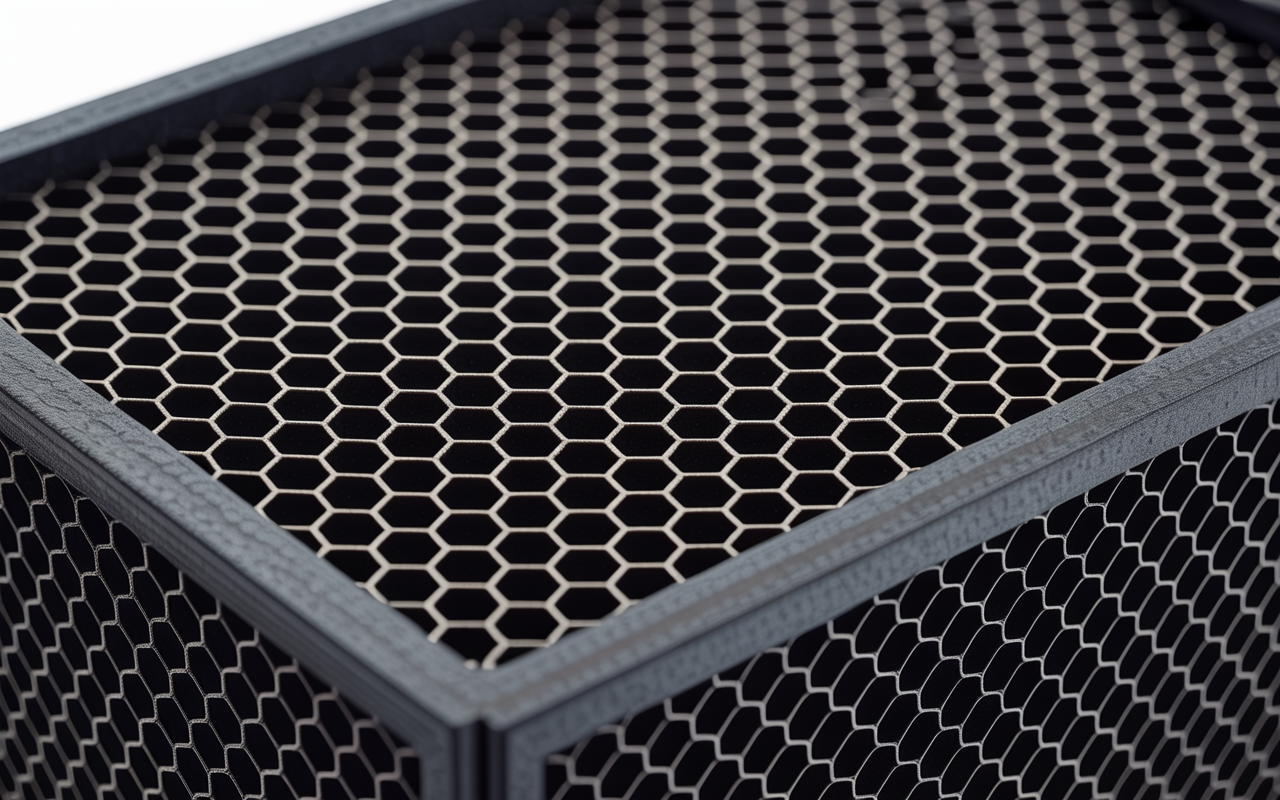
Activated Carbon Filters for Medical and Aged Care Environments
Activated carbon filters are often considered in medical and aged care environments where odours or certain gases need to be managed alongside normal ventilation and filtration. They are not a universal solution, but in the right application they can make a real difference to indoor air quality in practical, operational terms.
For facility managers, mechanical contractors and procurement teams, the key is knowing what carbon can do, what it cannot do, and how it should be paired with the rest of the air handling system.
What activated carbon filters do
Activated carbon works by adsorbing certain gaseous contaminants onto a highly porous surface. In simple terms, that means it can help capture odour-causing compounds and some gases that standard particulate filters will not remove.
This is why carbon filters are commonly considered where the air contains:
- •Persistent odours from kitchens, waste areas or cleaning processes
- •Some volatile organic compounds from maintenance products or finishes
- •Odours from toilets, laundry spaces or refuse holding areas
- •Air streams where nuisance smells are affecting adjacent occupied areas
Carbon filters are different from dust filters. A panel or pleated particulate filter may capture particles such as lint, dust and visible debris, while activated carbon targets gases and odours. In many systems, both types are used together.
Where carbon filters can help in healthcare-adjacent settings
Aged care facilities
Aged care sites often have mixed-use air handling needs. Corridors, resident rooms, kitchen exhaust interfaces, laundry spaces and waste handling areas can all create different air quality challenges.
Activated carbon may be appropriate where odour control is a practical priority, especially if air is being recirculated or transferred between spaces and there is a need to reduce noticeable smells before air is returned or exhausted.
Clinics, consulting rooms and treatment support areas
In smaller healthcare-adjacent buildings, odours from cleaning chemicals, storage areas, bathrooms or nearby services can be disruptive even when the particulate load is not high. Carbon filters can be part of a targeted ventilation response, particularly where the issue is gaseous rather than dusty.
Plant rooms and service areas
Mechanical spaces can benefit from carbon filtration when there are odours from equipment, stored chemicals or adjacent exhaust paths. In some cases, carbon is also used to help protect sensitive spaces nearby from nuisance smells drifting through the building fabric or ductwork.
Transition spaces and shared corridors
Where odours move between zones, carbon filters may be used in air handling units serving common areas. This is often about comfort and environmental control rather than primary filtration.
When activated carbon is the right fit
Carbon filters are usually worth considering when the main issue is one or more of the following:
- •Unwanted odours are present, but dust is not the main concern
- •There are specific gases or vapours that need treatment
- •A space is sensitive to smell transfer between areas
- •The ventilation system can physically accommodate the extra filter section and pressure requirements
- •The system is being designed or upgraded with both particulate and gaseous control in mind
The best results usually come from matching the carbon type and filter construction to the actual contaminant. Not all carbon media performs the same way, and not every odour problem is solved by adding more carbon. Contact time, airflow, media depth and the nature of the gas all matter.
If you are planning a new system or modifying an existing one, it is worth confirming site requirements with the mechanical services engineer or building owner, particularly where the work must align with AS 1668.2:2024 and local operational requirements.
When carbon is not enough on its own
Activated carbon does not replace particle filtration, and it is not the right choice for every issue. If the concern is dust, lint, mould spores or general airborne particulate, a suitable particulate filter is still needed. In higher-demand settings, staged filtration may be more appropriate than relying on carbon alone.
Carbon also has limits when:
- •The contaminant level is too high for the available media volume
- •Airflow is too fast for adequate contact time
- •The target gas is not well suited to carbon adsorption
- •The system design does not allow for the pressure drop of a carbon stage
- •Odours are intermittent but extremely strong, requiring source control as well as filtration
In those cases, the better solution may involve exhaust capture, improved source containment, changes to ventilation zoning, or a different media type altogether. A mechanical services engineer can help determine the right approach.
Practical considerations for facility teams
When specifying or replacing carbon filters, it helps to look beyond the filter name and confirm the actual application details.
Useful questions include:
- •What odour or gas is being targeted?
- •Is the filter being used in supply air, return air or exhaust air?
- •Is there enough space in the frame or housing for the required media depth?
- •Has the pressure drop been checked against the system fan and coil arrangement?
- •Does the application need a combined particulate and carbon solution?
- •Are access and maintenance practical for the site team or contractor?
Inspection frequency depends on the system, site conditions and dust load. Follow the filter and equipment manufacturer instructions, and monitor pressure drop where gauges are fitted. If the carbon layer is exhausted, the filter may no longer provide the intended odour control even if it still looks acceptable externally.
Some filters are designed to be washable - check the product instructions. That said, washability is product-specific and should never be assumed.
Planning maintenance and replacement
For busy medical and aged care environments, filter maintenance should be planned around access, infection control procedures where relevant, and the operational schedule of the building. Good records help contractors and facility staff know what has been installed, where it sits in the system and how it is performing over time.
If you are comparing products, consider whether you need:
- •A standalone carbon filter
- •A combined particulate and carbon stage
- •A custom size for a non-standard frame or housing
- •A replacement element for an existing unit
- •Ongoing filter servicing or commercial filter servicing
Where dimensions are not standard, it can be helpful to confirm measurements carefully before ordering. If needed, our guide on how to measure an air filter can help reduce errors at the specification stage.
Choosing the right supplier support
For healthcare-adjacent buildings, the best outcome is usually a filter solution that suits the air handling plant, the site conditions and the operational goal. That may mean a standard product from our products, or it may mean a custom size or configuration for a specific housing or duct arrangement.
Total Air Filtration is a family-owned air filter manufacturer and supplier in Hillcrest, Brisbane QLD, established 2009. We work with facility teams and contractors who need practical filtration options for real buildings, not one-size-fits-all assumptions.
If you need help selecting the right activated carbon filter for an aged care or medical environment, we can supply or make the right filters for your application. Call 07 3800 3448 or request a quote. You can also contact us or explore the industries we supply.
Written by
The Total Air Filtration Team
General information only — always follow the instructions for your filter and system. Have questions about this article? We're here to help.