
Why Your Air Conditioner Smells Musty After a Filter Change
A musty smell after fitting a new air conditioner filter can be frustrating, especially when the fresh filter seems to have made things worse. In many cases, the odour is not caused by the new filter itself. More often, it points to moisture, trapped debris or biological growth elsewhere in the system that was already there and has only become more noticeable.
Start with the filter itself
The first place to check is the filter installation and condition. A new filter can still be part of the problem if it is fitted incorrectly, exposed to moisture, or not suited to the system.
Look for these simple issues:
- •The filter is sitting crooked or not sealed properly in the frame
- •The wrong size filter has been fitted, leaving gaps around the edges
- •The filter media was stored in a damp area before installation
- •A washable filter was reinstalled before it was fully dry
- •The filter type is not appropriate for the unit or application
If a filter is damp, it can hold odours and support biological growth. That is especially relevant in systems with high humidity, poor drainage or limited airflow. Some filters are designed to be washable - check the product instructions before cleaning or reusing them.
If you need to confirm sizing, how to measure an air filter can help avoid a poor fit that allows dust to bypass the filter.
Check for condensate problems
Air conditioners naturally create condensate as they cool air. That water should drain away cleanly. If it does not, the system can develop a stale or musty odour that becomes noticeable when the unit starts running again.
Common condensate-related causes include:
- •A blocked condensate drain
- •A cracked or poorly sloped drain pan
- •Standing water in the tray or casing
- •Sludge or biofilm in drain lines
- •Water splashing back onto internal components
When moisture sits inside the unit, it can create conditions where mould and other biological growth can develop on internal surfaces, insulation, drain pans or nearby debris. A filter change may simply increase airflow enough for that odour to be carried into the occupied space.
Technicians should check that the drain path is clear and that water is leaving the system as intended. Homeowners can also look for visible moisture, dripping, or signs of overflow around the indoor unit.
Look beyond the filter for trapped debris
A dirty filter can hide what is happening deeper in the system. When the filter is replaced, airflow may change and loose dust, lint or organic debris trapped in the return air path can begin to smell.
Areas worth inspecting include:
- •The return air grille and duct entry points
- •The fan compartment
- •The evaporator coil surface
- •Insulation inside the air handler or cabinet
- •Any accessible internal surfaces where dust has accumulated
Dust itself does not always smell much until moisture is added. Once a system has been idle, or has recently worked hard in humid conditions, damp dust and debris can produce a noticeable musty odour.
If the system has been operating with a heavily loaded filter, that filter may have been stopping more particles from reaching the coil and internal surfaces. Once it is changed, the odour may appear to start “after” the filter change, even though the underlying source was already present.
Biological growth can be the real source
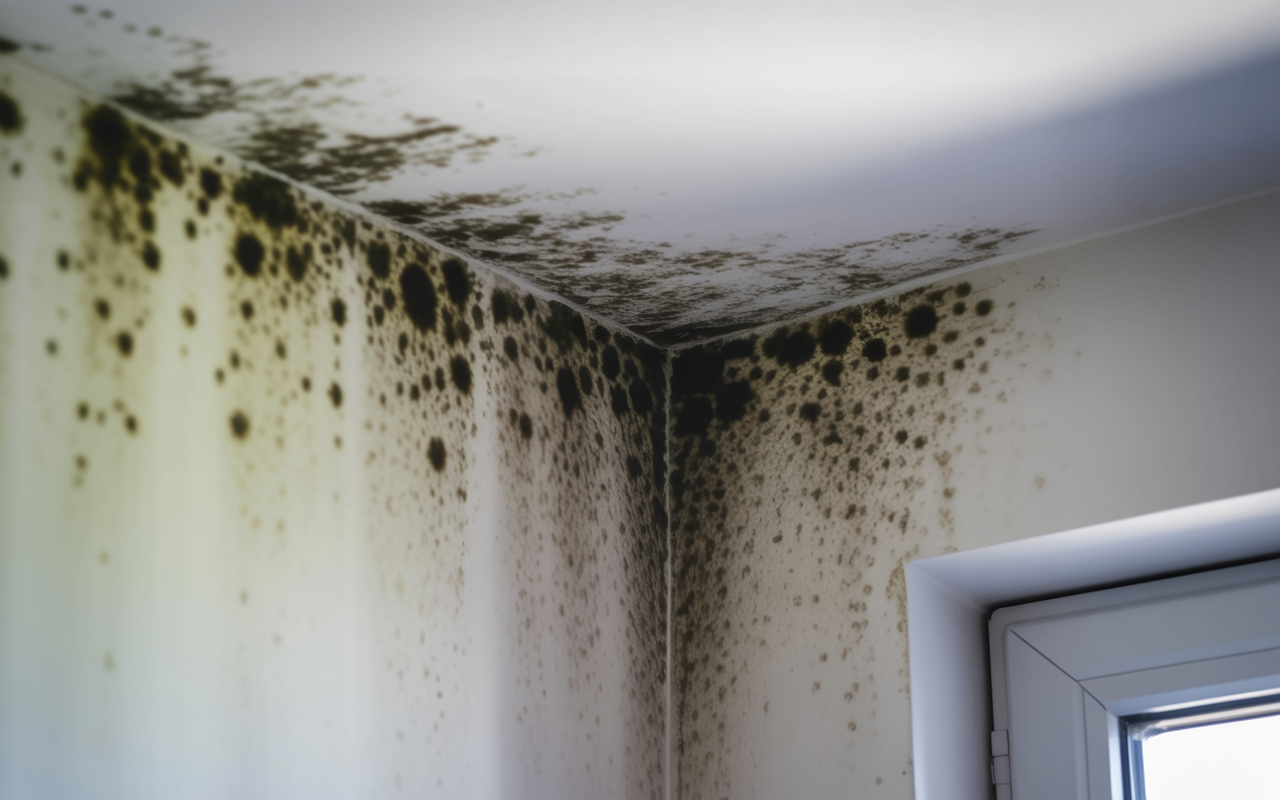
Musty smells are often associated with biological growth in damp, poorly ventilated or dirty parts of the air-conditioning system. That growth may be on the coil, drain pan, insulation, duct liner, or in deposits around the drain.
A few clues can help narrow it down:
- •The smell is strongest when the system first starts
- •The odour is earthy, damp or stale rather than dusty
- •The smell gets worse in humid weather
- •The system has a history of drainage or moisture issues
- •There is visible staining, slime or discolouration inside accessible areas
If biological growth is suspected, cleaning should focus on the source rather than masking the odour. Replacing the filter alone will not solve a moisture or contamination problem elsewhere in the system.
For larger or more complex systems, commercial filter servicing can be a practical way to inspect the filter side of the system while also identifying issues that may need mechanical attention.
Airflow changes can make an existing smell more obvious
A new filter can change how air moves through the system. If the old filter was heavily loaded, airflow may have been restricted. Once the filter is replaced, the system may move air differently and draw odours from places that were already contaminated.
That does not mean the new filter caused the smell. It may simply be revealing a problem that was hidden before.
This is why it helps to think in terms of the whole system:
- •Is there moisture anywhere in the unit?
- •Is the condensate draining properly?
- •Is there dirt or growth on internal surfaces?
- •Is the filter fitted correctly and dry?
- •Is the return air path clean?
For systems serving commercial buildings, requirements should be checked with the mechanical services engineer or building owner, and relevant site needs may be considered alongside AS 1668.2:2024.
When to replace, clean or service
A musty odour after a filter change is a sign to inspect, not to assume the new filter is defective. The right response depends on what you find.
Consider the following approach:
- •If the filter is damp or damaged, replace it with the correct product
- •If the unit has standing water, clear the drainage issue before further operation
- •If there is visible dirt or growth, arrange cleaning of the affected components
- •If the filter housing is leaking air around the edges, check the frame and fit
- •If the smell persists, the problem may be deeper in the ductwork or internal assembly
Inspection frequency depends on the system, site conditions and dust load. Follow the filter and equipment manufacturer instructions, and monitor pressure drop where gauges are fitted so you can judge when service is actually needed.
If you are not sure whether the issue is with the filter, the installation, or the equipment itself, it can help to have both the filter and the system reviewed together.
Choosing the right filter for the job
The correct filter can help capture particles without creating fitting problems or unnecessary airflow resistance. But the filter has to suit the application, the frame and the equipment.
We supply a range of air filters for residential, commercial and industrial use, including standard sizes and custom air filters made to suit non-standard frames. If you are comparing options, our products page is a good place to start.
Total Air Filtration is a family-owned air filter manufacturer and supplier in Hillcrest, Brisbane QLD, established 2009. We work with homeowners, technicians and building operators who need practical advice on fit, media and application.
Need help identifying the cause?
If your air conditioner smells musty after a filter change, the filter may only be part of the story. Wet filters, condensate issues, biological growth and trapped debris are all worth checking before blaming the new filter.
Total Air Filtration can supply or make the right filters for your system. Call 07 3800 3448 or request a quote. You can also contact us if you need help working out what filter or service approach makes sense for your setup.
Written by
The Total Air Filtration Team
General information only — always follow the instructions for your filter and system. Have questions about this article? We're here to help.