
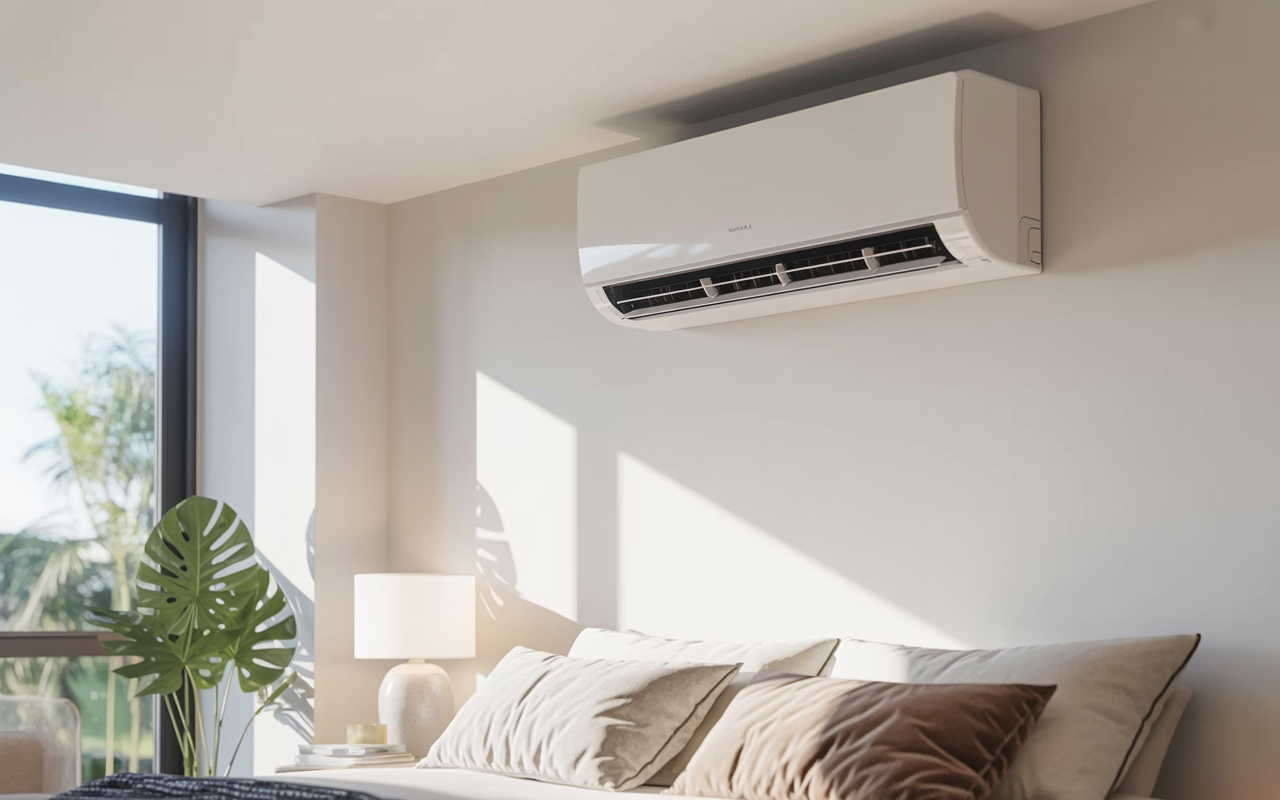
What Tenants Should Know Before Cleaning a Split System Filter in a Rental
If you rent and your split system is getting dusty, it can be tempting to lift the panel and clean the filter straight away. That can be fine in some homes, but only if you know what type of filter is fitted, how it comes out, and what the landlord or property manager expects.
A small mistake, such as forcing a frame, washing the wrong part, or reinstalling the filter incorrectly, can lead to damage, poor airflow or an avoidable maintenance dispute. Here is what tenants, property managers and landlords should know before touching a split system filter in a rental.
Start with the rental agreement and the unit instructions
Before opening the front panel, check whether the lease, entry condition report or owner instructions mention routine tenant care. Some landlords allow the occupant to remove and rinse the return air filter, while others prefer that all servicing be arranged through the property manager.
If the equipment has manufacturer instructions nearby, follow those first. If there is a sticker on the indoor unit, on the inside of the front cover, or in the owner’s manual, that guidance should come before general advice found online.
It is also worth confirming whether the filter is a standard washable mesh filter or a different type of media panel. Some filters are designed to be washable - check the product instructions. If the unit uses a more specialised filter, it may need replacement rather than washing.
For buildings with broader ventilation requirements, site requirements should be confirmed with the mechanical services engineer or building owner, especially where AS 1668.2:2024 is relevant.
Before you remove the filter, look for signs of damage or poor fit
A quick visual check can save trouble later. Open the indoor unit carefully and look at how the filter sits before you touch it.
Check for:
- •bent corners or cracked frames
- •missing tabs, handles or clips
- •dust build-up that suggests the filter is overdue for cleaning or replacement
- •signs of mould, water staining or a damp smell
- •anything that looks loose, warped or jammed in place
If the filter looks damaged, do not force it out. A split system filter should slide out smoothly. If it catches, something may be misaligned, or the frame may already be damaged. Forcing it can crack plastic guides inside the unit.
If you are unsure about the filter size or replacement type, measure the existing filter carefully before ordering a replacement. Our guide on how to measure an air filter can help.
How to remove and clean a split system filter safely
Most split system indoor units have a front panel that lifts up, revealing one or two mesh filters. The exact method varies by brand, so keep movements gentle and avoid applying pressure to the fins or internal coils.
A sensible cleaning approach is:
- •switch the unit off at the control and, if needed, at the isolator before opening the panel
- •lift the front cover slowly so it does not snap open
- •support the filter with both hands as you slide it out
- •take note of which way it faces so you can put it back the same way
- •remove loose dust carefully before washing, if the filter is washable
- •use lukewarm water and a mild cleaner only if the manufacturer allows it
- •let the filter dry fully before refitting it
Do not scrub with a hard brush, use high-pressure water, or bend the frame to speed up drying. Those habits can distort the mesh, damage the frame or leave residue behind.
If the filter has accumulated heavy dirt, grease or mould, or if it is torn or deformed, replacement may be the better option. In that case, a suitable replacement can often be supplied through our products or custom air filters if the original size or style is no longer readily available.
What not to do in a rental
When you are cleaning a unit that is owned by someone else, the main goal is to leave it exactly as you found it, only cleaner. A few common mistakes can create avoidable issues.
Avoid:
- •removing parts beyond the filter unless the instructions clearly say to
- •washing non-washable filters
- •replacing the filter in the wrong orientation
- •forcing a sticky latch or panel
- •leaving the filter damp when refitting it
- •using household sprays, bleach or strong solvents on the filter
- •running the system while the panel is open
Also avoid assuming that one filter size fits all split systems. Even similar-looking units can use different dimensions and frame details. If a replacement is needed, match the size and style carefully rather than guessing. Where there is any uncertainty, contact us or ask the property manager to confirm the model details.
Refitting the filter properly matters as much as cleaning it
A clean filter is only useful if it is seated correctly. A misaligned filter can let dust bypass the media, rattle during operation or fail to sit under the retaining clips.
Before closing the unit, check that:
- •the filter is fully dry
- •the airflow direction, if marked, matches the original position
- •the tabs or slots are engaged properly
- •the front panel closes without force
- •nothing is pinched between the filter and the housing
Once refitted, turn the unit back on and listen for unusual noise. If the fan sounds strained, the panel will not close properly, or airflow seems noticeably different, switch the unit off and recheck the fit. If the problem continues, a technician should inspect it rather than repeatedly opening and closing the housing.
For property managers, it helps to keep a simple record of which unit models allow tenant cleaning and which ones require professional service. That can reduce confusion during routine inspections and make it easier to organise filter servicing or commercial filter servicing where needed.
When to leave the job to a professional
Some situations are not suitable for a tenant clean. If you see damage, persistent odour, visible mould inside the unit, water leaks, or evidence that the filter is saturated with fine debris, stop and report it.
Professional attention is also sensible when:
- •the unit uses a specialised or high-efficiency filter
- •the filter is difficult to access without tools
- •the panel or clips are already damaged
- •the unit has not been maintained for a long time
- •the property manager has specific maintenance requirements
People with health concerns should seek medical advice rather than relying on a filter clean as a solution. Filters capture particles from the air stream, but they are only one part of indoor air management.
If a replacement filter is needed, the right choice depends on the system design, the dust load at the site and the manufacturer’s instructions. Inspection frequency also depends on those factors, and where pressure gauges are fitted, pressure drop should be monitored so the filter can be serviced at the right time.
A practical approach for renters and owners
A good rental maintenance process is straightforward: know who is responsible, check the unit carefully, clean only what the instructions allow, and refit everything neatly. That protects the equipment and helps avoid unnecessary disputes.
For landlords and property managers, clear notes at the start of a tenancy make all the difference. For tenants, a careful check before and after cleaning is usually enough to keep the unit in good order without overstepping.
If you need the right filter for a rental split system, Total Air Filtration is a family-owned air filter manufacturer and supplier in Hillcrest, Brisbane QLD, established 2009. We can help supply or make the right filters for the job.
Call 07 3800 3448 or request a quote. You can also explore our products and custom air filters if the existing filter needs replacing.
Written by
The Total Air Filtration Team
General information only — always follow the instructions for your filter and system. Have questions about this article? We're here to help.