
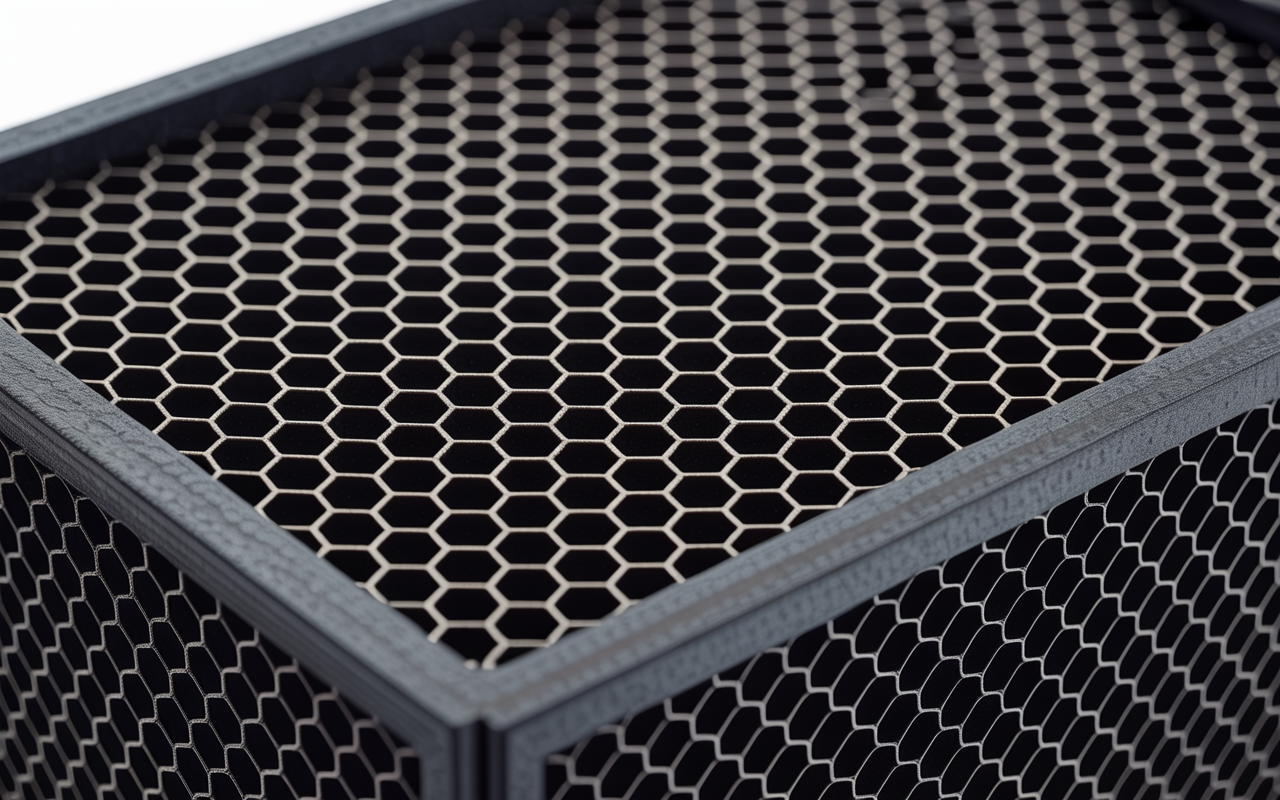
What Is a Carbon Impregnated Filter?
Carbon impregnated filters are used where a standard dust filter is doing most of the work, but the site also needs some odour reduction. They are not a substitute for dedicated gas-phase filtration in demanding applications, but they can be a practical option when the goal is to improve comfort and reduce noticeable smells at the point of use.
For facility managers and commercial buyers, the key is understanding what this media can and cannot do. It is best viewed as a particulate filter with added carbon treatment, rather than a full odour removal system.
What carbon impregnated media means
A carbon impregnated filter is made from filter media that has been treated with activated carbon or a carbon-based layer. The carbon sits within or on the media so air passing through the filter can contact it as part of the normal filtration process.
The dust collection side of the filter works in the usual way: it captures airborne particles such as dust, lint and other suspended debris depending on the filter grade and system design. The carbon element adds a second function by helping adsorb certain odour-causing compounds.
That is why these products are often chosen for systems where:
- •dust control is still the main task
- •odours are present, but not severe enough to require a dedicated gas-phase solution
- •the system has limited space for additional filtration stages
- •the building owner wants a simple upgrade from a standard panel or pleated filter
Because the carbon is part of the media, these filters are usually selected to fit an existing air handling unit or return air application without major changes to the plant.
What it can do in practice
A carbon impregnated filter can help reduce some odours that would otherwise pass through a standard dust filter. Common examples include general building smells, light commercial kitchen odours, waste room odours, or nearby external odours that enter through intake air.
It is important to keep expectations realistic. Carbon impregnated media offers limited odour reduction, not complete odour removal. Performance depends on the type of odour, the air velocity, contact time, concentration and the amount of carbon in the media.
In practical terms, this means:
- •it may improve perceived air quality in occupied areas
- •it can be useful where a full carbon bed is not justified
- •it may be enough for mild odour issues in offices, foyers, amenities and some back-of-house spaces
- •it is usually not the right answer for strong chemical vapours or complex process gases
If you are unsure whether the odour source is suitable for this type of filter, it is worth speaking with the building owner or mechanical services engineer before ordering.
Where carbon impregnated filters are commonly used
These filters are often specified in commercial HVAC systems where there is a mix of dust and odour control needs. Typical applications include:
- •office buildings and shared workspaces
- •retail tenancies
- •schools and education facilities
- •aged care and community buildings
- •reception areas and lobby spaces
- •plant rooms or service areas with mild background odours
- •return air systems serving general occupied spaces
They can also be useful in some industrial and light manufacturing environments where dust capture remains the priority, but there is a need to take the edge off nuisance odours without moving to a more complex treatment setup.
If you are reviewing options for a site, our industries we supply page is a useful starting point.
How it differs from a standard dust filter
A standard dust filter is designed mainly to trap particles. A carbon impregnated filter still does that, but it adds a material that interacts with odour molecules.
The main difference is not just the material, but the intended use.
Standard dust filter
A standard filter is typically selected for particle loading, system protection and indoor cleanliness. It may be a panel, pleated or pocket style product, depending on the application and the required performance level.
Carbon impregnated filter
A carbon impregnated filter is selected when the system also needs some odour control. It is generally used as a practical compromise where a standard dust filter alone is not enough, but the site does not require a dedicated odour control system.
The right choice depends on the air handling unit, the expected contamination, and the filter staging already in place. In some systems, a carbon impregnated filter is used as a pre-filter or final filter within an existing arrangement. In others, it replaces a standard filter of the same size and frame style.
If you need help checking fitment, our guide on how to measure an air filter can help before you order.
Selection points for facility managers
Choosing this type of filter is less about a generic product description and more about matching the filter to the site conditions.
Useful questions to ask include:
- •What is the main problem: dust, odour, or both?
- •Is the odour occasional, continuous, or linked to a specific source?
- •Does the system have space for additional filtration stages?
- •Is the unit operating on fresh air, return air, or mixed air?
- •Are there access constraints that make regular inspection difficult?
- •Is the filter being used in a general HVAC system or a specialised process environment?
Inspection frequency depends on the system, site conditions and dust load. Follow the filter and equipment manufacturer instructions, and monitor pressure drop where gauges are fitted so you can replace filters at the right time for the site.
If your building must align with ventilation requirements, AS 1668.2:2024 may be relevant, but site requirements should always be confirmed with the mechanical services engineer or building owner.
Installation, servicing and replacement considerations
Carbon impregnated filters are installed and maintained much like other air filters, but odour performance can decline before the filter looks heavily loaded with dust. That makes inspection especially important in sites where odour control matters.
A few practical points to keep in mind:
- •check the airflow direction before fitting the filter
- •make sure the frame seals properly to avoid bypass
- •monitor pressure drop where gauges are fitted
- •inspect the filter housing for dust leaks or poor sealing
- •replace the filter when dust loading, airflow conditions or odour breakthrough indicate it is due
Some filters are designed to be washable - check the product instructions. For carbon impregnated media, washing is not automatically suitable, so the product details should always be checked before any cleaning attempt.
If your team manages multiple systems, our filter servicing and commercial filter servicing pages can help you plan ongoing maintenance.
Choosing the right supplier
Not every site needs the same filter construction, frame style or media treatment. A family-owned manufacturer and supplier like Total Air Filtration in Hillcrest, Brisbane QLD, can help match the product to the actual application rather than forcing a one-size-fits-all choice.
That may include standard replacement filters, specialised media, or custom air filters for systems with unusual sizes or operating conditions.
If you want to discuss a carbon impregnated option for your building, contact us or request a quote. Total Air Filtration can supply or make the right filters for your site, and you can reach us on 07 3800 3448.
Written by
The Total Air Filtration Team
General information only — always follow the instructions for your filter and system. Have questions about this article? We're here to help.