
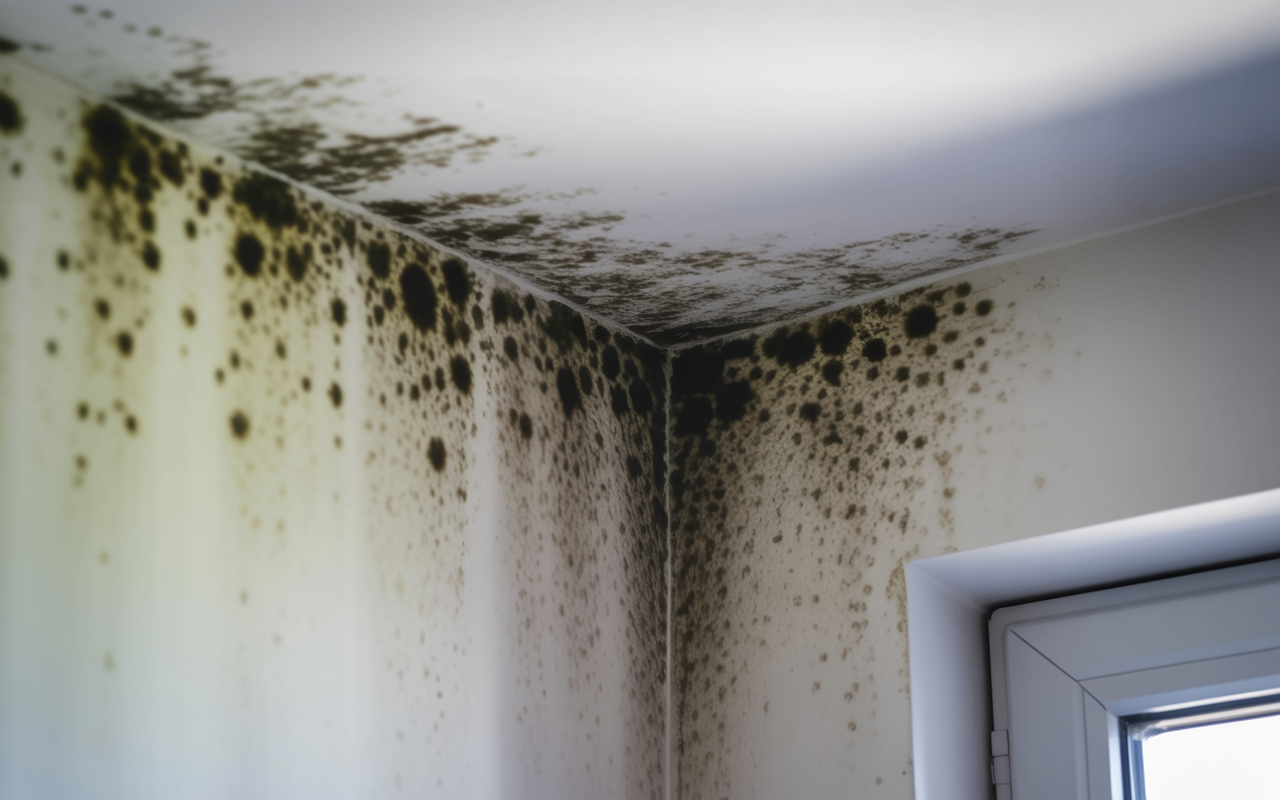
Wet-Season Mould on Air Filters in Split Systems: Early Warning Signs
Wet weather can make split systems work harder, and it can also create the damp conditions where mould starts to show up on filters and nearby plastic parts. If you know the early warning signs, you can often catch the problem before it gets worse and work out whether the cause is inside the unit, in the room, or both.
What mould looks like on a split system filter
The first signs are not always obvious. On a split system, mould may appear as small dark spots, grey smudges, or patchy growth on the filter media. It can also sit along the frame, corners, clips, or the surrounding plastic where moisture tends to collect.
Common visual clues
- •Speckled black, green, or brown marks on the filter surface
- •A thin fuzzy or dusty-looking layer that does not brush off easily
- •Dark staining around the edges of the filter frame
- •Marks on plastic louvers, the intake grille, or the inside face of the front cover
- •Damp patches or visible condensation inside the unit after it has been running
If the filter looks dirty but the material is still dry, that is often dust build-up rather than mould. If it feels damp, has a persistent stale odour, or shows patchy growth, moisture is usually part of the problem.
What mould on the plastics can tell you
Mould does not only grow on the filter. The plastics around a split system can show the same early warning signs, especially in humid weather or when the unit is not drying out properly after use.
Look closely at these areas
- •The front cover, especially the inside lip and corners
- •The return air grille and edges where air enters the unit
- •The plastic frame that holds the filter in place
- •Drainage areas where condensation should be moving away
- •Seams, clips, and recessed sections that trap dust and moisture
If mould is forming on surrounding plastics, it often suggests there has been repeated moisture, poor drying, or dust build-up giving spores something to settle on. In some cases, the filter itself may be fine but the housing has become the main problem area.
What usually causes mould growth in humid weather
Mould needs moisture, a surface to grow on, and some dust or organic material to feed on. Split systems can provide all three when conditions line up.
Common causes include
- •High indoor humidity during wet weather
- •Filters that have collected a heavy dust load
- •Reduced airflow because the filter is clogged or incorrectly fitted
- •Condensation sitting on cold parts of the indoor unit
- •A blocked or poorly draining condensate line
- •The system being switched off while still damp inside
- •Dust from nearby renovations, pets, or traffic entering the room
A split system filter is there to capture particles moving through the return air stream. If it becomes overloaded, airflow can drop and the surface can stay damp for longer, which increases the chance of mould developing on the filter and nearby plastics.
How to inspect a split system safely
A basic visual check can tell you a lot. Turn the system off first, then open the front cover and remove the filter carefully.
What to check during inspection
- •Whether the filter looks dusty, stained, or patchy
- •Whether the filter feels damp or has an odour
- •Whether the inside of the cover has staining or spots
- •Whether the surrounding plastics show slime, film, or dark specks
- •Whether there is visible moisture or water pooling anywhere inside the unit
Hold the filter up to light if you can. If dust is packed tightly into the mesh or media, or the filter is warped or brittle, it may be time to replace it rather than trying to clean it.
If the unit uses a washable product, only clean it if the product instructions say it is washable. Not all filters are meant to be washed, and the wrong cleaning method can damage the media or frame.
If you are unsure about the filter size or type, how to measure an air filter is a useful starting point before ordering a replacement.
What to do if you find mould
If you notice growth on the filter or plastics, the first step is to stop using the system until you can inspect it properly. For a light surface issue, the filter may be replaced and the surrounding plastics cleaned according to the manufacturer’s instructions.
Practical steps that help
- •Remove and inspect the filter regularly, with frequency depending on the system, site conditions, and dust load
- •Follow the filter and equipment manufacturer instructions for cleaning or replacement
- •Check that the condensate drain is clear and that moisture is not sitting inside the unit
- •Make sure the filter is seated correctly and not bypassing air around the edges
- •Look for signs of ongoing dampness after the system has run
- •Monitor pressure drop where gauges are fitted, if applicable
If mould keeps returning, the issue may be linked to airflow, drainage, or the type of filter in use. In that case, it is worth discussing the system with the owner, property manager, or mechanical services engineer so the site requirements can be confirmed. For buildings with broader ventilation needs, AS 1668.2:2024 may also be relevant, but site-specific requirements should always be checked rather than assumed.
Choosing the right filter for humid conditions
The best filter for a split system depends on the unit design, the space, and how much dust the site picks up. In some cases, a better-fitting filter or a different media type can reduce dust build-up and help the system stay cleaner for longer.
If you need a replacement, it is important to match the size and specification correctly rather than guessing. our products include a range of filter options, and custom air filters are available when standard sizes are not suitable.
For tenants, it is usually best to report persistent mould, dampness, or repeated filter fouling to the property manager. For homeowners, it can be a sign to review how the unit is used, cleaned, and maintained through the wet season.
When to get help
Call for help if the mould keeps returning, if the filter is damaged, if there is strong odour from the unit, or if water appears to be sitting where it should not. A persistent problem may point to drainage issues, airflow restriction, or a filter that is no longer suitable for the job.
Total Air Filtration is a family-owned air filter manufacturer and supplier in Hillcrest, Brisbane QLD, established 2009. We can help supply or make the right filters for split systems and other applications, and we can also assist with filter servicing where needed.
For practical advice or to discuss a replacement, call 07 3800 3448 or request a quote. You can also contact us if you need help identifying the filter type or size.
Written by
The Total Air Filtration Team
General information only — always follow the instructions for your filter and system. Have questions about this article? We're here to help.