
Selecting Filters for Homes with Indoor Fish Tanks and High Humidity Rooms
Indoor fish tanks, water features and other moisture-rich rooms can change the way air filters behave. The air may carry more odour, more fine moisture-borne particles and more sticky dust than a dry room, so the filter choice needs to suit the space rather than a standard whole-home setup. For homeowners and contractors, that means thinking about moisture, airflow, access and maintenance together, not just the nominal size of the filter.
Why humid rooms load filters differently
In a dry room, dust often stays loose and easy for the filter to catch. In a room with an aquarium, indoor pond, atrium feature or high humidity, airborne dust can absorb moisture and become heavier or tackier, which can change how it collects on the filter media and in the ductwork.
That matters because a damp environment can:
- •increase visible dust build-up on coils, grilles and filter faces
- •make particulate loading uneven across the filter surface
- •allow odours from fish food, algae and stagnant water to linger longer in the room
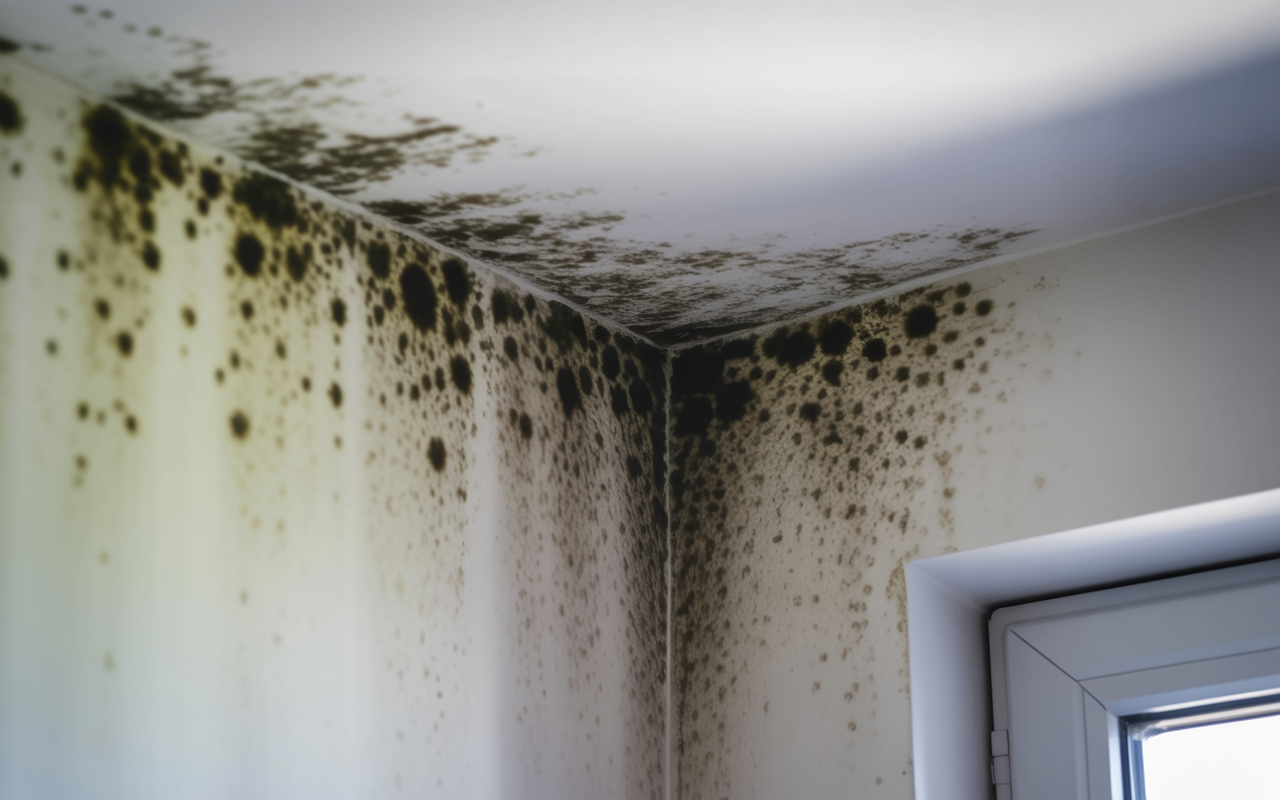
- •encourage mould growth in poorly maintained equipment if moisture is allowed to sit in the system
The practical outcome is that the filter may look loaded sooner, or may restrict airflow differently from a similar filter in a drier part of the home. Inspection frequency depends on the system, the site conditions and the dust load, so it is worth checking the filter regularly and following the equipment manufacturer’s instructions.
What to look for in a filter for humid areas
For rooms with indoor water features, the aim is usually to balance particle capture, airflow and serviceability. The best option depends on the fan or air handling unit, the room layout and how much dust, moisture and odour is present.
A sensible starting point
In many residential applications, a pleated panel filter or bag filter with enough media area is a practical choice because extra surface area can help manage loading in a moist environment. If the system is designed for deeper filtration, a higher-capacity filter may be more suitable than a thin disposable panel.
For spaces where odour is part of the issue, some setups may benefit from an activated carbon stage in addition to particle filtration. Carbon can help adsorb some odour compounds, but it should be selected with the air volume and space conditions in mind, and it should not be expected to solve a damp or dirty system by itself.
Check the filter material and construction
Moist air can be hard on poor-quality media, frames and seals. Look for:
- •sturdy frame construction that resists warping
- •media and adhesives suitable for the expected humidity
- •good sealing so air does not bypass the filter
- •enough depth or pleat spacing to suit the airflow and dust load
If the room has direct splash risk or very high moisture, ask whether the filter will be protected from wetting by the system layout. A filter that gets physically wet is a different problem from a filter operating in humid air, and it should be assessed separately.
Managing odours from aquariums and water features
Fish tanks and indoor water features can introduce noticeable odour from food, organic material and water circulation issues. A filter alone will not fix the source of the smell, so the best approach is to address both the room and the system.
Useful steps include:
- •keep tanks, filters and associated equipment clean and well maintained
- •ensure the room has adequate ventilation for the space and occupancy
- •consider a filtration stage that can help with odour, where the equipment allows it
- •check for any dampness in surrounding joinery, insulation or ceiling spaces
If you are specifying filtration for a room under AS 1668.2:2024, confirm site requirements with the mechanical services engineer or building owner. Residential fit-outs can vary widely, and the airflow and filtration arrangement should suit the actual system rather than a generic assumption.
High humidity, airflow and pressure drop
A filter in a humid room can behave differently as it loads with moisture-laden dust. As resistance rises, airflow through the system can change, which may affect comfort and room ventilation performance if the fan or unit is already working near its limit.
Where gauges are fitted, monitor pressure drop and use that reading alongside visual inspection. A filter that looks only lightly soiled may still be restricting air if the loaded dust is dense or damp. On the other hand, a filter with an even dust layer may still be serviceable if the pressure drop remains within the equipment’s operating range.
This is why it helps to choose a filter that matches the fan capacity and access arrangements from the start. If the system is difficult to open, or the filter is tucked behind cabinetry or above a ceiling, the maintenance plan should be realistic for the occupant or service contractor.
Washable filters and reusable options
Some filters are designed to be washable - check the product instructions. That can be useful in certain residential applications, but a washable product is not automatically the best choice for every humid room.
Before choosing one, consider:
- •whether the filter can be dried properly before refitting
- •whether the frame and media stay intact after repeated cleaning
- •whether the system can tolerate any temporary gap in filtration while the filter is removed
- •whether the manufacturer allows washing for that exact product
If a washable filter stays damp, it can become a poor fit for a humid room. In some cases, a disposable high-capacity filter that is replaced according to condition may be more practical than a reusable product that is difficult to dry or re-install correctly.
Specifying for contractors and homeowners
For contractors, the key is to match the filter to the real operating conditions, not just the nominal size. Measure carefully, confirm the frame type and track arrangement, and check the available depth before ordering. If you need help with dimensions, our guide on how to measure an air filter can help avoid fit-up issues.
For homeowners, a few good questions to ask are:
- •Is this room likely to stay humid for long periods?
- •Is there a noticeable odour source from the tank or water feature?
- •Can the filter be accessed safely for inspection?
- •Does the equipment have room for a deeper or more robust filter?
If the installation is non-standard, custom air filters may be the better option. That is often the case where a cabinet, wall cavity or ceiling space limits the available size, or where the existing filter arrangement needs a different media type to cope with moisture and dust loading.
Getting the right filter for the room
Selecting a filter for a fish tank room or other humid space is about balancing moisture, odour, airflow and maintenance access. The right product depends on the system design, the room conditions and how the filter will actually be serviced over time.
Total Air Filtration is a family-owned air filter manufacturer and supplier in Hillcrest, Brisbane QLD, established in 2009. We can supply or make filters to suit a wide range of home and light commercial applications, including moisture-prone rooms and custom sizes.
To discuss your needs, call 07 3800 3448 or request a quote. You can also view our products or contact us if you need help choosing the right filter type.
Written by
The Total Air Filtration Team
General information only — always follow the instructions for your filter and system. Have questions about this article? We're here to help.