
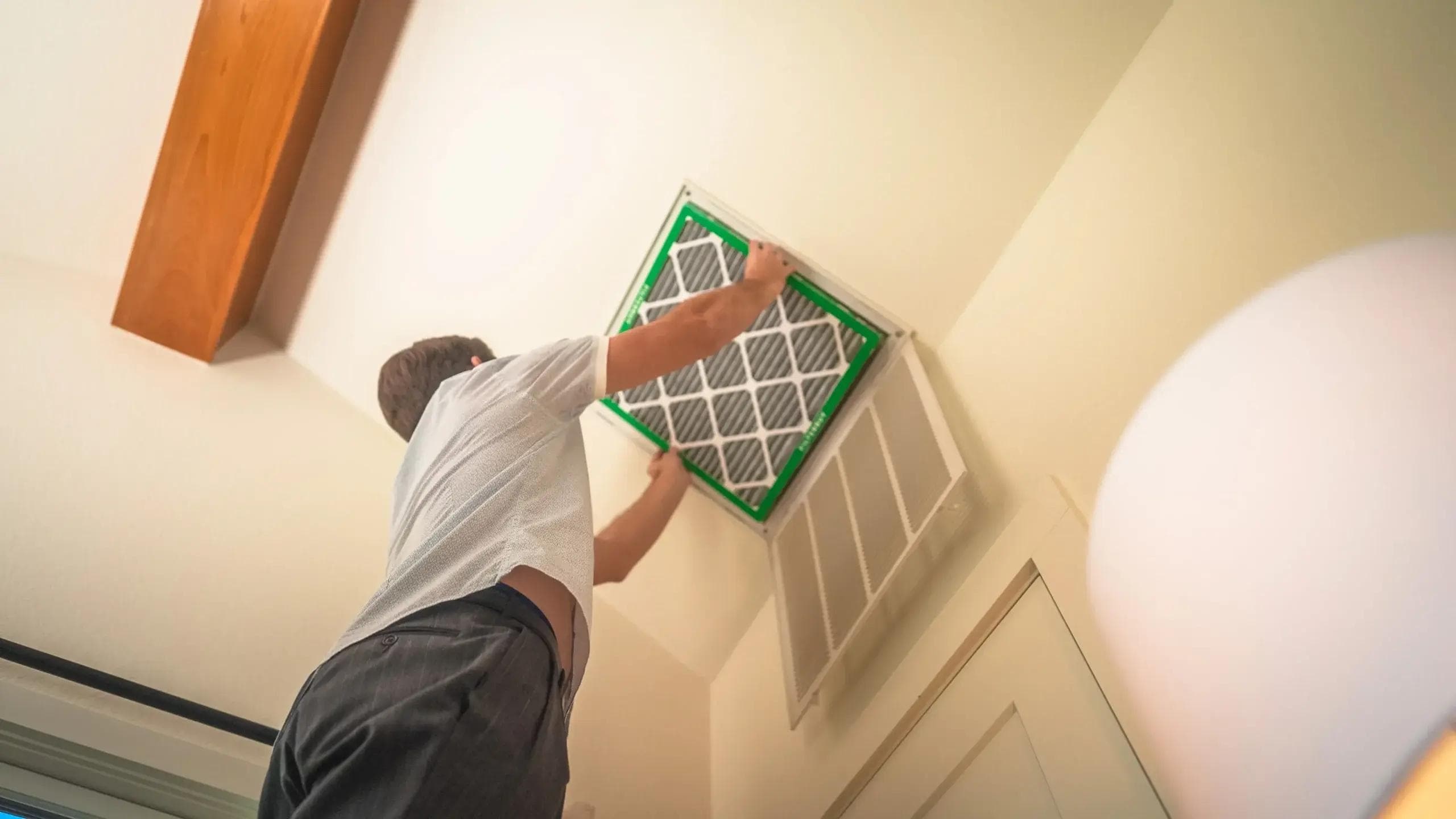
Replacing Return Air Filters in Strata Apartments Without Disturbing Tenants
Replacing return air filters in occupied strata apartments is often more about coordination than the filter itself. The best outcomes usually come from clear access planning, straightforward tenant communication, and knowing exactly what equipment is installed before anyone turns up on site.
For strata managers and body corporates, the challenge is to get the work done neatly and safely without creating unnecessary disruption for residents. For contractors, it is to arrive prepared, work efficiently, and leave every apartment as tidy as it was found.
Start with the building’s actual air handling setup
Before scheduling any work, confirm which apartments or common areas are connected to the system and what type of return air filter is fitted. In some buildings, the filter sits behind a grille in a hallway or laundry cupboard. In others, access may be through a service cupboard, ceiling space or plant room.
A quick visual check at the beginning saves a lot of back-and-forth later. It also helps determine whether the filter is a standard size or whether a non-standard or custom-made filter is needed. If you are not sure what you are looking at, use how to measure an air filter as a guide, or speak with the mechanical services contractor.
It is also worth checking the system documentation and confirming site requirements with the building owner or mechanical services engineer, particularly where ventilation requirements are tied to AS 1668.2:2024.
Helpful information to gather before booking work
- •Filter dimensions and quantity
- •Access location for each apartment or common area
- •Whether keys, concierge access or resident escort is needed
- •Any site rules for contractors, parking, lift use or work hours
- •Whether the existing filter frame is reusable or damaged
- •The filter grade or product type currently in use
Schedule the work around residents, not just the contractor
In occupied buildings, the least disruptive time is not always the same for every apartment. A little flexibility can make a big difference.
Try to group visits by level, wing or stack where practical so contractors are not moving through the building multiple times for small jobs. If the building has limited access windows, allow enough time for each apartment rather than trying to compress everything into a single rushed visit.
It helps to think about the resident experience as well as the maintenance task. Filter changes can involve brief noise, door opening, cupboard access and a small amount of dust disturbance around the grille or frame. If a tenant is working from home, has shift work or needs a carer present, that should be taken into account when setting the time.
Useful scheduling practices include:
- •Offering a clear arrival window rather than an open-ended day
- •Confirming whether the contractor needs the resident to be home
- •Booking work during approved strata access hours
- •Allowing enough time for any follow-up if a filter is difficult to remove or the frame needs attention
- •Building in a small buffer for apartments where access is delayed or the filter is fitted in an awkward location
Communicate early and keep the message simple
Residents are usually more cooperative when they know what is happening, why access is needed and how long the visit is likely to take. The communication does not need to be long, but it should be specific.
A good notice should explain:
- •Which apartment or common area will be visited
- •The approximate date and time window
- •What the contractor needs from the resident
- •Whether the resident should clear cupboard space or move items away from the access point
- •Who to contact if the resident cannot make the nominated time
If multiple apartments are involved, send notices early enough for residents to ask questions or arrange alternate access. Where a concierge, building manager or strata committee is involved, make sure everyone is working from the same information.
A short reminder the day before can also help reduce no-shows. For buildings with frequent tenant turnover, it is worth keeping a simple access register so the next round of filter work is easier to organise.
Make the access point easy to reach before the contractor arrives
Many delays happen because the filter itself is straightforward, but the access point is not. A locked cupboard, stored household items, a tight hallway or a ceiling hatch blocked by furniture can turn a quick job into an awkward one.
Strata managers can help by asking residents to clear the immediate area around the access point before the appointment. Contractors should also be briefed on any known site constraints so they can bring the right tools and spare fixings.
Practical access tips for occupied apartments
- •Confirm whether the access door opens fully and whether there is space to work in front of it
- •Check if the grille or panel is painted, sealed or fragile before attempting removal
- •Ask residents to move boxes, vacuum cleaners, drying racks or furniture away from the work area
- •Make sure lights are working if the filter is in a cupboard or ceiling space
- •If the filter is behind a grille, confirm whether screws, clips or latches are used
- •Take care not to damage finishes, trim or ceiling material when removing the old filter
If the existing filter is not a standard size, measure the aperture carefully before ordering a replacement. For custom sizes, custom air filters can help reduce site cutting and patchwork.
Choose the right filter and avoid repeat visits
Nothing frustrates residents more than a second visit because the wrong filter arrived. To avoid that, confirm the dimensions, frame type, media type and any special fitting details before the job is booked.
Where the system uses a standard size, having a matching replacement on hand means the contractor can swap the filter in one visit. If the equipment is older or the original part is no longer available, a supplier may be able to make or source a suitable alternative.
Some filters are designed to be washable - check the product instructions before assuming a filter can be cleaned and reused. For disposable filters, follow the filter or equipment manufacturer’s instructions and monitor pressure drop where gauges are fitted, as that is often the best guide to when replacement is due.
It is also important not to mix up rating systems. MERV, EN 779 and ISO 16890 do not convert directly, so a like-for-like replacement should be selected based on the actual equipment requirements and the filter specification, not a rough conversion table.
If you are reviewing broader building maintenance, filter servicing and commercial filter servicing may be useful starting points.
Keep the job tidy and document what was done
In an occupied building, a good filter change is barely noticed by residents. That means clean handling, careful disposal of the old filter and a quick visual check of the access area before the contractor leaves.
Useful close-out steps include:
- •Wiping down the surrounding frame or grille if needed
- •Checking that the new filter is seated correctly and airflow direction is correct
- •Confirming that the access panel is closed and secure
- •Recording the filter size, product type and location for future reference
- •Noting any damage, unusual odour, dust build-up or other site issues that should be reported to the strata manager or mechanical contractor
If a return air filter is heavily loaded with dust, that may point to site conditions, access issues or a problem upstream in the system. The right response is to inspect the whole setup, not just replace the filter and move on.
Work with a supplier that understands strata access
Total Air Filtration is a family-owned air filter manufacturer and supplier in Hillcrest, Brisbane QLD, established 2009. We supply standard and custom air filters for buildings where access, timing and correct fit all matter.
If you need help matching the right filter to an apartment system, or you want to plan a cleaner access process for occupied units, we can help supply or make the right filters for the job. Call 07 3800 3448 or request a quote.
You can also contact us if you need help confirming dimensions or identifying the filter type, or browse our products to see what we supply.
Written by
The Total Air Filtration Team
General information only — always follow the instructions for your filter and system. Have questions about this article? We're here to help.