
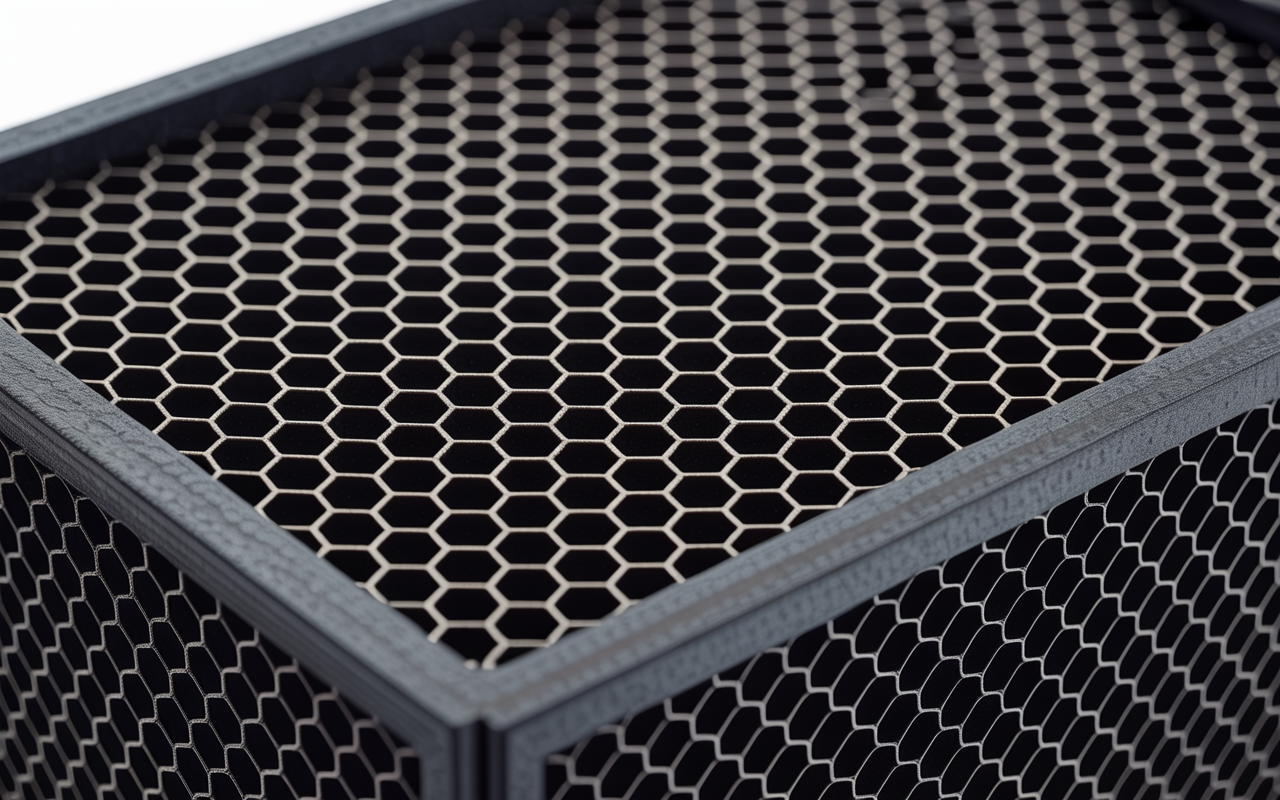
Reducing Odours in Vet Waiting Rooms with the Right Filtration Mix
Vet waiting rooms and consult areas have a unique air quality challenge: animal odours can build up quickly, while hair, dander, dust and general debris also place pressure on the ventilation system. The right answer is usually not a single filter, but a sensible mix of particle filtration and odour control media matched to the room, the HVAC system and the way the space is used.
For vet clinic managers and mechanical contractors, the goal is to keep air moving properly, capture airborne particles, and reduce the odours that tend to linger in reception zones, waiting areas and consult rooms.
Why vet spaces need a different filtration approach
Animal odours in a clinic are not caused by one source. They can come from wet coats, bedding, urine, cleaning products, litter, feed, and the general mix of fur and dust that collects in busy areas. In reception spaces, these odours can be more noticeable because air may sit in the room longer, especially if the system is under-supplied, over-restricted or not maintained.
A standard dust filter can help with visible and airborne particles, but it will not do much on its own for odour control. That is where carbon media comes in. Activated carbon is used to adsorb many odour compounds as air passes through the filter, which makes it a useful partner to particle filtration in spaces where smell management matters.
A good filtration plan for a vet clinic usually considers:
- •the particle load from fur, dander and dust
- •the odour sources in reception, waiting and consult rooms
- •the available fan capacity and filter space
- •whether the system can physically accommodate deeper or higher-resistance filters
- •how often the filters can be inspected and changed based on site conditions
How dust filters and carbon media work together
Dust filters are the first line of defence for capturing larger airborne particles. In a vet clinic, that usually means hair, lint, dust and other debris that can accumulate quickly and restrict airflow if the filter is undersized or left in place too long.
Carbon media works differently. It is designed to trap odour molecules on the surface of the carbon rather than simply catching dust in the usual way. For that reason, carbon is most useful when odour is the main issue, or when the clinic wants to reduce lingering animal smells in occupied spaces.
The most common approach is to use both layers in the same system, or in a staged arrangement:
- •pre-filtration to catch larger particles and protect downstream media
- •carbon filtration to target odour compounds
- •final filtration where the system and airflow requirements allow it
This mix matters because carbon media can load up with dust if it is not protected by a suitable particle filter. Once that happens, odour performance can suffer and airflow resistance can rise. In practice, the best result often comes from using a particle filter upstream, then a carbon stage where it can actually do its job.
Choosing the right filter grade for the application
Not every area of the clinic needs the same level of filtration. A reception or waiting room may need a different setup from a treatment room, and a higher-grade filter is not always the right answer if it causes airflow problems.
For many commercial HVAC systems, older EN 779 classes such as G3, G4 and F5 to F9 are still referred to in Australia, even though ISO 16890 is now the current standard. These ratings do not convert directly, so it is better to select filters based on the system design, air quality target and physical fit rather than trying to match one standard to another on paper.
If a higher-efficiency final filter is being considered, the full system needs to be checked first. The fan, housing, seals and available pressure drop all matter. In some cases, a well-chosen dust filter plus carbon stage will be a better practical solution than forcing a very fine filter into a system that was never designed for it.
For guidance on fit and sizing, see how to measure an air filter or explore our products.
What contractors should check before changing the filtration mix
Before upgrading or adjusting filters in a vet clinic, mechanical contractors should confirm how the system is set up and how much space is available for media depth and access.
Key checks include:
- •filter dimensions and frame depth
- •available fan capacity and current pressure drop
- •whether the filter rack seals properly
- •whether there is space for a pre-filter and a carbon stage
- •the location of the return air path and any bypass points
- •whether the owner wants a serviceable arrangement that is easy to inspect
It is also worth checking the ventilation design against AS 1668.2:2024 where relevant, and confirming site requirements with the mechanical services engineer or building owner. That helps avoid solving an odour issue in one room while accidentally creating a pressure, airflow or maintenance problem elsewhere.
If the existing arrangement is awkward or non-standard, custom air filters can help when a close fit or special build is needed.
Pressure drop and maintenance matter
A filter mix that looks good on paper can still fail in service if it is not maintained properly. As filters load with dust, pressure drop rises and airflow can change. That can affect comfort, odour control and the overall performance of the HVAC system.
Inspection frequency depends on the system, the site conditions and the dust load. Where gauges are fitted, monitor pressure drop and follow the filter and equipment manufacturer instructions. In a busy vet clinic, areas with frequent animal traffic may need closer attention than office spaces or back-of-house rooms.
Some filters are designed to be washable - check the product instructions before cleaning or reusing them. For many commercial applications, replacement is still the more suitable option, especially where odour control media is involved.
Practical ways to improve odour control in reception and consult areas
Filtration works best when it is part of a broader air management approach. The layout and use of the room can make a big difference to how well the system performs.
Useful steps include:
- •keeping return grilles clear of furniture, posters and display items
- •avoiding unnecessary recirculation from odour-heavy areas into waiting spaces
- •checking that doors, lobbies and consult room layouts do not allow smells to move freely through the clinic
- •making sure filter access is safe and easy so inspections actually happen
- •using a staged filter arrangement where the system allows it
If the clinic has recurring odour complaints, it may be worth reviewing whether the current filtration arrangement is aimed at the right problem. A dust filter alone may keep the system cleaner, but carbon media is usually the missing piece when odour is the main concern.
Getting the balance right between airflow and odour control
The best vet clinic setup is rarely the one with the highest-efficiency filter possible. It is the one that fits the system, supports airflow, captures the particles you expect to see, and adds carbon media where odours need extra attention.
That balance is especially important in waiting rooms and consult spaces, where people are seated for longer periods and animal smells are more noticeable. By choosing the right mix of pre-filtration and carbon filtration, clinics can manage everyday odour challenges without overloading the HVAC system.
If you are planning a filter upgrade, talk with the equipment supplier or your mechanical services engineer about the available space, pressure drop and service access before changing the specification.
Talk to Total Air Filtration
Total Air Filtration is a family-owned air filter manufacturer and supplier in Hillcrest, Brisbane QLD, established 2009. We can supply or make the right filters for vet clinics, including mixed dust and carbon media solutions tailored to your system.
Call 07 3800 3448 or request a quote. You can also explore filter servicing and industries we supply if you are planning ongoing maintenance or a wider site review.
Written by
The Total Air Filtration Team
General information only — always follow the instructions for your filter and system. Have questions about this article? We're here to help.