
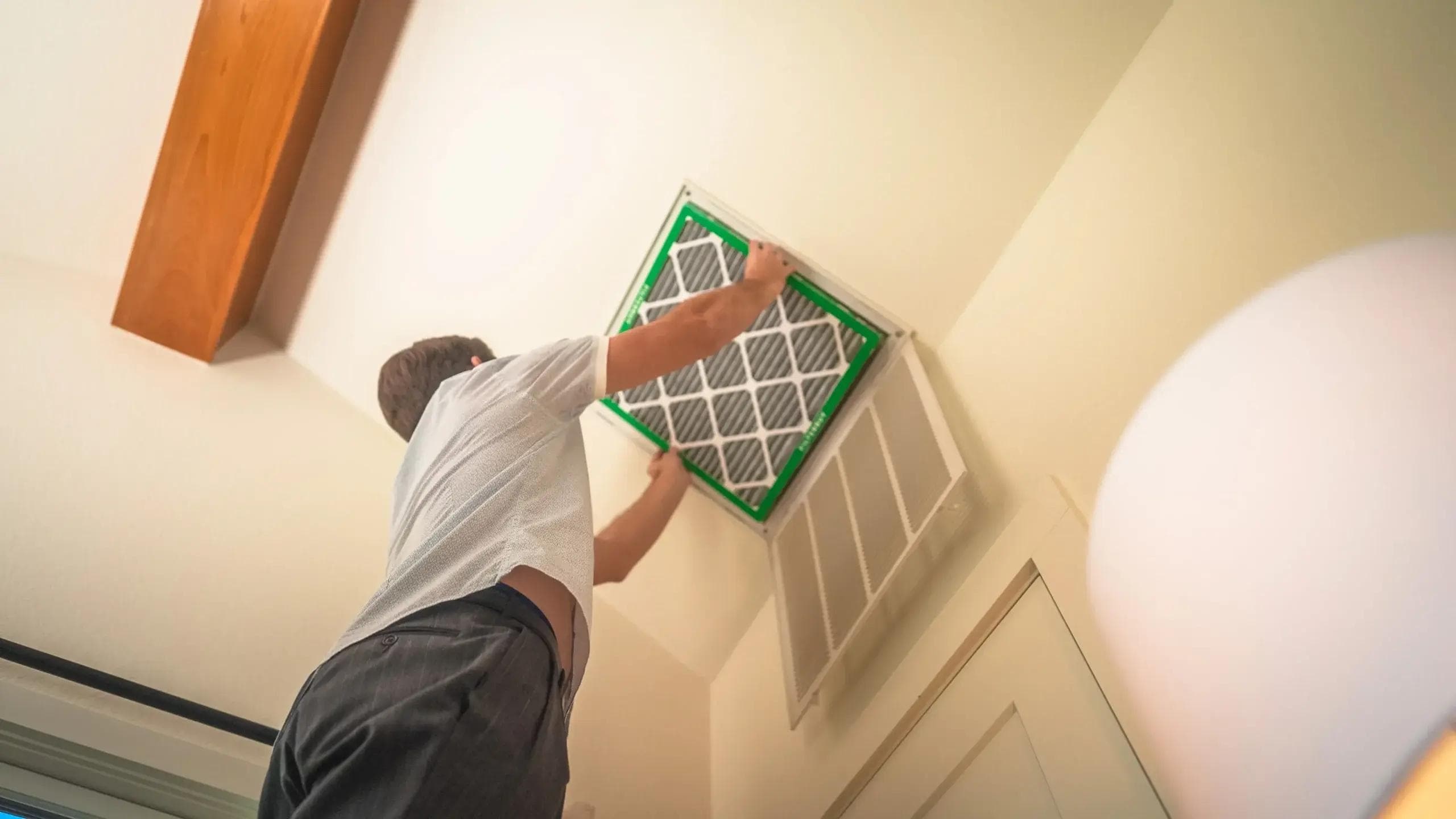
Reducing Filter Waste in Apartment Buildings with Bulk Ordering and Standardisation
Apartment buildings often use a mix of fan coil, return air, mechanical ventilation and lobby filtration points, and over time that can lead to a drawer full of odd-sized filters, short runs of spare stock and last-minute emergency orders. For strata managers and body corporates, a more standardised approach can make routine maintenance easier to plan, easier to store and less wasteful to manage.
The key is not just buying in bulk, but buying smarter: rationalising filter sizes where practical, matching products to the actual system, and setting up a stockholding approach that avoids unnecessary replacements caused by poor measurement or guesswork.
Why filter waste happens in apartment buildings
Filter waste usually starts with complexity. A building may have different HVAC systems across car parks, plant rooms, corridors, common areas and individual apartment common services, each with its own filter dimensions, frame type and performance needs.
When every section of the building uses a different size or style, maintenance teams are forced to keep multiple spare items on hand. That often creates avoidable waste in a few ways:
- •Small quantities of many different filter sizes are stored, then forgotten or damaged before use.
- •Incorrectly sized filters are ordered because the old sample was measured loosely or labelled inconsistently.
- •Emergency purchases are made when a needed size is out of stock, often leading to rushed substitutions.
- •Part-used cartons or odd single filters become awkward to store and harder to manage.
A more disciplined approach to standardisation reduces these problems by narrowing the number of filter variants kept on site.
Standardise where the building can support it
Standardisation does not mean forcing every system to use the same filter. It means reviewing the equipment, the site conditions and the building’s actual servicing needs to see where sizes can be rationalised without creating fitment problems.
Start with a filter audit
A useful first step is to list every filter location in the building and record:
- •the unit or plant it serves
- •the filter dimensions
- •the frame type and depth
- •the media type and efficiency requirement
- •whether the filter is panel, pleated, bag or another style
- •any access constraints that affect installation
If the existing filter is not clearly labelled, measuring it properly is important before reordering. Our how to measure an air filter guide can help reduce mistakes when capturing dimensions.
Look for patterns across the building
Once the list is complete, look for repeated sizes and styles that could be consolidated. In some buildings, the same size filter is used in several areas but has been reordered under slightly different descriptions. In others, a small number of closely related sizes may be suitable to standardise if the equipment and frame allowances support it.
This is where a mechanical services review can be useful. Site requirements should be confirmed with the mechanical services engineer or building owner, and where ventilation design is involved, AS 1668.2:2024 should be considered alongside the building’s specific setup.
Bulk ordering works best when stockholding is simple
Bulk ordering can be a strong way to reduce waste, but only if the stock strategy is clear. Ordering a larger quantity of too many different items can create more storage burden, not less.
The aim is to keep enough of the right filters on hand to cover normal servicing, while avoiding over-ordering items that may sit unused.
Practical stockholding habits for strata managers
- •Keep one current register of approved filter sizes and locations.
- •Use a single naming convention for each filter so staff and contractors order the same item every time.
- •Store filters in a clean, dry area where packaging will not be crushed or exposed to moisture.
- •Separate fast-moving standard items from occasional special sizes.
- •Review what is actually being used before placing the next replenishment order.
If your building uses a variety of filters across common areas and plant equipment, it can help to group them by application rather than by ad hoc order history. Our our products page is a good starting point when comparing available filter types and sizes.
Why standard cartons and repeat orders help
When the same filter types are reordered regularly, it becomes easier to:
- •track consumption
- •keep accurate spares
- •reduce accidental substitutions
- •avoid buying a one-off emergency filter that does not fit properly
This also makes receiving and storage simpler for building managers and contractors. Fewer product variations usually means less time checking labels, less confusion on site and less risk of waste through misordering.
Avoiding emergency purchases and rushed substitutions
Emergency filter buying is one of the most common sources of waste in apartment buildings. It often happens when a filter is left too long, a stock item runs out unexpectedly, or the current filter size was never recorded correctly.
Rushed orders can lead to problems such as:
- •a filter that is close but not quite the right size
- •a temporary substitute that does not match the system requirements
- •duplicate stock arriving because different people placed the same order
- •extra freight and handling due to short notice
The better approach is to monitor filter condition and pressure drop where gauges are fitted, then plan orders before a failure or blockage forces urgent action. Inspection frequency depends on the system, site conditions and dust load, so it is best to follow the filter and equipment manufacturer instructions rather than relying on a fixed schedule.
Build a simple reorder process
A straightforward process can make a big difference:
- •nominate one person or team to approve reorders
- •keep current dimensions and product references in one shared record
- •attach photos of each filter location and frame if useful
- •store contact details for the supplier in the maintenance file
- •set reorder triggers based on stock levels and condition, not guesswork
If you need help matching a filter to an existing installation, our custom air filters service can assist when standard sizes are not a suitable fit.
Choosing the right filter for the right application
Standardising does not mean downgrading performance or using the same product everywhere. Different parts of an apartment building may need different filter types depending on equipment design, airflow and dust conditions.
For example, a simple panel filter may suit one application, while a pleated or bag filter may be needed elsewhere. Some filters are designed to be washable - check the product instructions before assuming a filter can be cleaned and reused.
Where efficiency ratings are specified, the rating system should match the system design and the project requirements. MERV, EN 779 and ISO 16890 ratings do not convert directly, so it is best not to rely on rough conversions when ordering replacements. G3/G4/F5-F9 are EN 779 classes that are still widely used in Australia, although ISO 16890 has superseded EN 779 in many contexts.
If HEPA filters are used in a specialised application, the relevant standard matters. H13 is at least 99.95% and H14 is at least 99.995% efficiency at the most penetrating particle size under EN 1822. Those products are usually specified for particular systems, so they should be matched carefully to the equipment and site needs.
A cleaner stock system for common property teams
For strata managers and body corporates, the biggest benefit of standardisation is not just convenience. It is control. A clear filter register, fewer duplicate sizes and a sensible bulk ordering pattern can make maintenance easier to coordinate across multiple buildings or multiple systems within the same site.
It also helps contractors work more efficiently because they are less likely to arrive with the wrong item or need to source a replacement at short notice. Over time, that can reduce packaging waste, storage clutter and avoidable reordering.
If you are reviewing a portfolio of apartment buildings, it can help to start with the highest-traffic or most accessible systems first, then work through the remainder of the site. Even small improvements in standardisation can simplify the whole maintenance process.
Talk to Total Air Filtration
Total Air Filtration is a family-owned air filter manufacturer and supplier based in Hillcrest, Brisbane QLD. We can help you identify suitable filter sizes, supply standard items or make the right filters for your building’s needs.
Call 07 3800 3448 or request a quote when you are ready to simplify stockholding and reduce filter waste. You can also explore filter servicing and commercial filter servicing if you want support with ongoing maintenance planning.
Written by
The Total Air Filtration Team
General information only — always follow the instructions for your filter and system. Have questions about this article? We're here to help.