
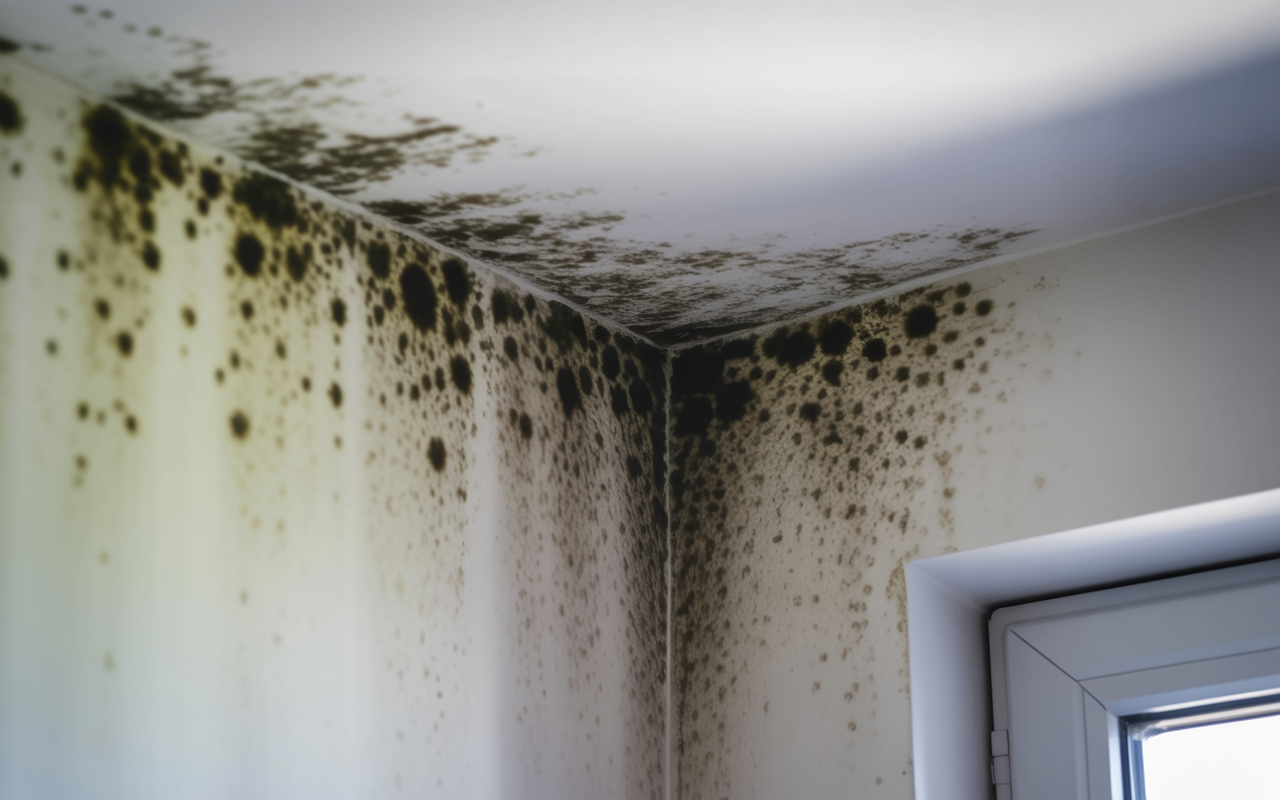
Protecting Air Handlers from Moisture and Mould Growth in Damp Climates
Damp climates can create persistent moisture challenges inside air handling systems, especially where outside air is humid, plant rooms are cool, or systems cycle on and off. Over time, condensation can affect filter housings, ductwork and AHUs, leading to corrosion, odour and mould growth if the system is not designed and maintained with moisture control in mind.
For facility managers and mechanical contractors, the goal is not simply to keep water out. It is to make sure the whole system sheds moisture properly, drains as intended and stays accessible for inspection and servicing. That means looking at the unit as a complete assembly, from outdoor air intake to condensate removal and filter condition.
Why damp conditions create problems in air handling systems
When warm, moist air meets a cooler surface, condensation can form. In an air handling unit, that may happen on casing panels, internal framing, coils, dampers, filter frames or nearby ductwork. If moisture lingers, it can support mould growth on dust deposits and other surfaces.
Common risk points include:
- •Outdoor air intakes that draw in humid air during prolonged wet weather
- •Poorly sealed access doors or panel joints that allow moisture entry
- •Cold bridges in metal housings that encourage condensation
- •Drainage issues around cooling coils or condensate trays
- •Filter sections where air leakage creates cool spots and wet surfaces
- •Ductwork insulation that is damaged, missing or incorrectly installed
Even if the system is operating as intended, a damp site can still create conditions where moisture accumulates. The difference is whether the unit has been designed to cope with it, and whether maintenance teams are checking for early warning signs.
Design features that help reduce moisture risk
A well-planned system is the first defence against condensation and moisture build-up. In damp climates, it is worth reviewing both the equipment selection and the installation details.
Keep air paths as dry and sealed as practical
Filter housings and AHUs should be installed so that incoming air is managed cleanly and leakage is minimised. Check that access doors close properly, gaskets are intact and filter frames seat correctly. Small gaps can admit humid air into cooler sections of the unit.
Ductwork also deserves attention. Insulation should be continuous where required, vapour barriers should remain intact, and joints should be sealed properly. If a section of duct regularly sweats, it may need insulation repair, better support, or a rethink of the air temperature and air speed in that area.
Make drainage and access part of the design
Condensate removal should be straightforward, not an afterthought. Coil trays, drains and nearby surfaces should be arranged so water does not sit in pockets or run into filter sections. Access for inspection matters too, because damp problems often start in places that are awkward to see.
A practical layout should allow maintenance staff to inspect:
- •Coil faces and condensate trays
- •Drain lines and traps
- •Filter seals and retaining hardware
- •Internal insulation and lining
- •Dampers and adjacent casing surfaces
If the system is in a coastal, tropical or otherwise humid environment, it may be worth discussing material choices and layout with the mechanical services engineer or building owner. Site requirements should be confirmed for the specific project, including any ventilation expectations under AS 1668.2:2024.
What to check in filter housings and AHUs
Filter sections are particularly vulnerable because they combine airflow, pressure differences and surfaces where dust can settle. When moisture is present, settled dust can become a growth surface for mould and odour problems.
Inspect seals, frames and bypass paths
A filter that is not seated correctly can allow bypass air around the edges. That air may carry moisture and debris into the unit downstream of the filter bank. Check for:
- •Damaged gaskets or compressed seals
- •Bent frames or distorted holding tracks
- •Missing clips, latches or fasteners
- •Gaps between filters and the housing
- •Evidence of dust trails that indicate bypass
If the system uses custom sizing, correct dimensions matter. Inaccurate fit can create bypass and make it harder to keep the filter section dry and clean. If you need help checking dimensions, how to measure an air filter is a useful starting point.
Look for surface moisture, staining and odour
Visible water is not the only sign of trouble. Brown staining, rust, softening insulation, black spotting on liner materials or a persistent musty odour can all point to moisture issues. These signs should prompt a closer look at the source rather than just cleaning the surface.
If mould is found, the cause should be identified and corrected before reassembly. Replacing a filter without fixing the moisture pathway may only provide a short-lived result.
Maintenance checks that help keep systems dry
Regular servicing should focus on both the visible parts of the system and the hidden areas where moisture accumulates. Inspection frequency depends on the system, site conditions and dust load, and you should follow the filter and equipment manufacturer instructions. Where gauges are fitted, monitor pressure drop as part of the normal check-in process.
Useful maintenance tasks include:
- •Checking condensate drains are clear and flowing properly
- •Confirming trays are clean and free of standing water
- •Inspecting filter media, frames and seals for damp patches
- •Checking for corrosion on housings, fasteners and supports
- •Verifying insulation is intact and dry
- •Looking for dust build-up on internal surfaces where moisture could collect
Service the whole section, not just the filter
A damp filter section can be a symptom of a broader problem elsewhere in the air path. For example, a blocked drain, poor coil maintenance or damaged insulation can create the conditions for moisture to reappear after cleaning. When possible, review the full air handling path during servicing, not just the filter bank.
If the system needs deeper attention, filter servicing or commercial filter servicing can help keep the work consistent with the site’s maintenance plan.
Choosing filter products for damp environments
The right filter does not remove the need for good design, but it can support a better-maintained system. In wet or humid locations, products that fit properly and are selected for the duty are important. Some filters are designed to be washable - check the product instructions before cleaning or reuse.
If you are comparing product types, think about:
- •Correct size and fit for the housing
- •Suitable frame materials for the operating environment
- •Whether the filter section is exposed to moisture or washdown conditions
- •How often the system is opened for inspection and replacement
- •Whether a standard product or a custom air filters solution is the better fit
For some sites, a filter upgrade alone will not solve the issue. The whole installation may need a review, including duct layout, insulation details and access for maintenance.
When to bring in support
If you are seeing repeated wet filters, corrosion in the housing, or mould-related staining in the AHU or ductwork, it is worth treating it as an equipment issue rather than a cleaning task. A practical review can identify whether the problem sits with drainage, insulation, sealing, airflow balance or maintenance access.
Total Air Filtration is a family-owned air filter manufacturer and supplier in Hillcrest, Brisbane QLD, established 2009. We work with facility managers and mechanical contractors who need filters and practical support suited to local site conditions, and we can help with standard or custom solutions.
If you need the right filter for a damp environment, or want help checking what is already installed, call 07 3800 3448 or request a quote. You can also view our products or contact us for more information.
Written by
The Total Air Filtration Team
General information only — always follow the instructions for your filter and system. Have questions about this article? We're here to help.