
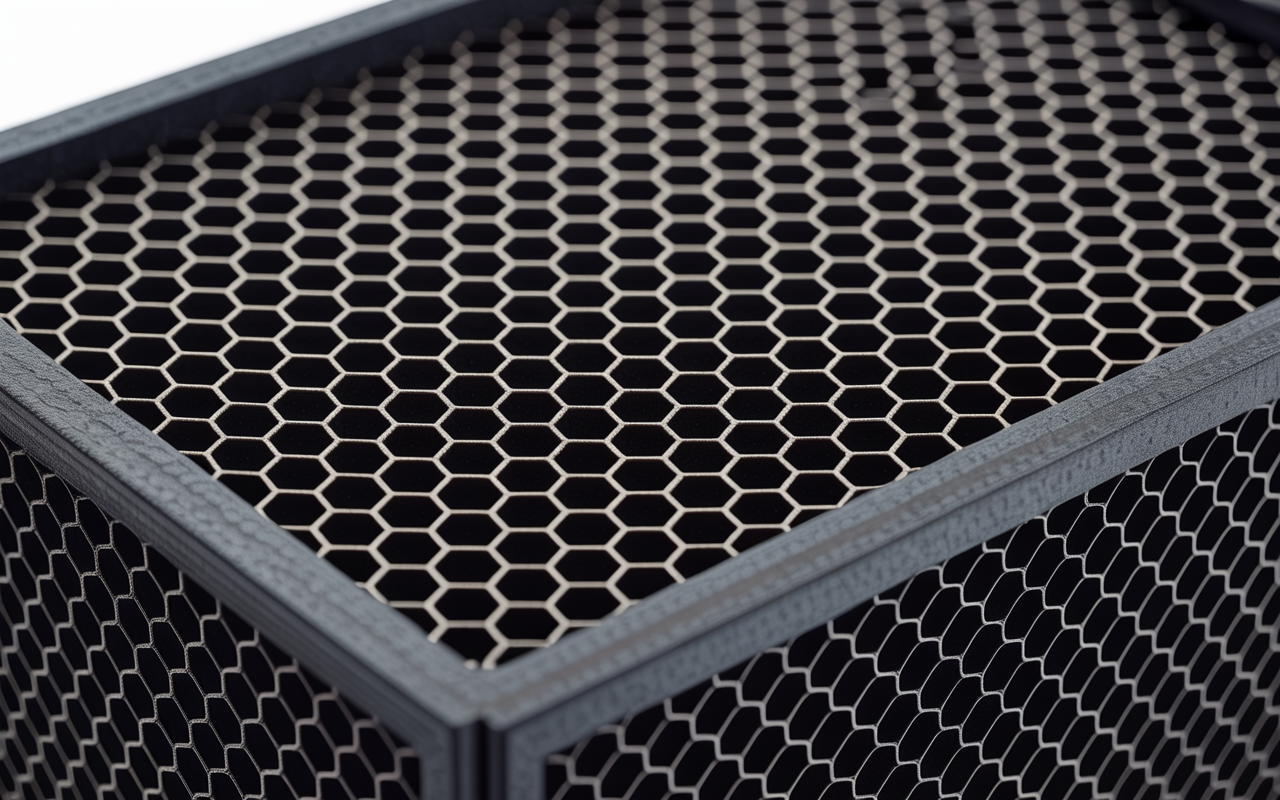
Odour Still Coming Through the HVAC System? Check the Filter Housing, Not Just the Media
If you can still smell odours through your HVAC system after changing the filter, the media may not be the only issue. In many cases, the problem is air leaking around the filter rather than through it, which means odorous air is bypassing the filter housing and reaching the occupied space.
That can happen in homes, apartments, offices and shared buildings alike. Before replacing the media again, it is worth checking the frame, gasket, clips, doors and installation details that hold the filter in place.
Why odours can pass around a filter
A filter only works as intended when air is forced through the filter media. If there is a gap between the filter and the housing, or if the filter is not seated properly, some air can take the easier route around the filter instead.
That bypass air can carry cooking smells, tobacco odours, nearby exhaust, pet odours, building odours or general stale air straight through the system.
Common causes include:
- •a filter that does not match the exact size of the frame
- •a warped or damaged filter housing
- •worn, flattened or missing gaskets
- •poor door closure on the filter access section
- •loose clips, latches or retaining bars
- •dust build-up stopping the filter from sitting flush
- •a filter installed the wrong way around or not fully seated
Even a good carbon filter can underperform if the housing allows air to travel around it.
Start with the housing, frame and seals
The first step is to inspect the filter section itself, not just the media. Open the access door carefully and look for signs of leakage, movement or dirt tracks that suggest air has been escaping around the edges.
What to look for
- •gaps visible around the filter perimeter
- •flattened, cracked or missing sealing strips
- •damaged corners on the filter frame
- •dust streaks around the frame edges or door edge
- •loose hinges, latches or fasteners
- •a filter that rattles or shifts when the system is running
If the filter is too small for the opening, or the frame is worn, the filter may never seal properly no matter how often the media is replaced.
For homeowners, this can be as simple as checking whether the replacement filter was measured correctly before ordering. Our guide on how to measure an air filter can help avoid sizing mistakes that lead to bypass.
Why a carbon filter may not solve the problem on its own
Carbon filters are often used where odour control matters, but they still depend on the system being sealed correctly. If the housing leaks, the odour load can bypass the carbon media entirely.
It is also important to match the filter type to the job. A standard dust filter may capture particles, but it is not the same as a carbon filter designed for odour adsorption. In some systems, odour control may need a combination of media types, staged filtration or a housing that is designed for the specific application.
If you are unsure what the system should be using, compare the existing filter arrangement with the unit documentation, or speak with the mechanical services engineer or building owner where relevant. For buildings with ventilation requirements, AS 1668.2:2024 may be relevant, but site requirements should always be confirmed for the specific system.
If you need a replacement solution, see our products or custom air filters for tailored options.
How to check for bypass in a practical way
You do not need specialist tools to spot many common issues, although a pressure gauge can help where one is fitted. A good inspection focuses on the full filter assembly, not only the media itself.
Practical checks for property managers and homeowners
- •confirm the filter size matches the actual opening
- •check the filter is inserted in the correct orientation
- •make sure the frame sits evenly with no rocking or tilt
- •inspect the gasket or seal material for wear
- •close and latch the access door firmly
- •look for dust trails around the edges after the system has been running
- •listen for whistling or hissing that may indicate leakage
If the system uses a manometer or pressure gauge, monitor pressure drop according to the filter and equipment manufacturer instructions. Pressure readings can help show when airflow resistance is changing, but they do not replace a physical inspection of the housing and seals.
When the housing needs attention, not just the filter
Sometimes the right fix is not a different media grade, but a better fitting or better sealed filter arrangement. That may mean replacing a damaged frame, adding or renewing sealing material, adjusting the retaining mechanism or ordering a filter made to the exact size required.
This matters in older systems, retrofit jobs and sites where filters are changed by different people over time. A filter that looked acceptable on paper can still leak badly if the frame is tired, distorted or not suited to the replacement product.
In some cases, the best answer is a housing review as part of regular filter servicing or commercial filter servicing. That way, the media, seals and mechanical fit can all be checked together.
Other signs the filter section is not sealing properly
Odour complaints are often the most obvious symptom, but they are not the only clue. A poorly sealed housing can also show up in other ways:
- •visible dust collecting downstream of the filter
- •inconsistent airflow between rooms or zones
- •filter media loading unevenly across the face
- •repeated complaints even after filter changes
- •access panels that do not close squarely
If a system uses washable filters, only some filters are designed to be washable - check the product instructions before cleaning or reusing them. Reusing the wrong type, or reinstalling a filter that has shrunk, distorted or lost its seal, can make bypass more likely.
If you are sourcing replacements for a housing that is difficult to seal, it may help to specify the exact dimensions and fit requirements rather than relying on a near match. Where needed, custom air filters can be made for non-standard applications.
A better approach to odour complaints
When odours persist, it helps to think of the HVAC system as a complete airflow path. The filter media is only one part of it. The frame, seals, doors, retaining system and installation quality all affect whether odorous air is actually forced through the media or allowed to slip around it.
For property managers, that means checking the housing before replacing cartridges or panels again. For homeowners, it means making sure the replacement filter is the right size, seated correctly and supported by a sound frame.
If you are responsible for a site with ongoing odour issues, it is also worth documenting what was checked, what was replaced and whether the filter section was inspected for bypass. That can make it easier to track down the real cause instead of repeating the same swap.
Need help matching the right filter to the housing?
Total Air Filtration is a family-owned air filter manufacturer and supplier based in Hillcrest, Brisbane QLD. We can help supply or make filters to suit the housing and application, including awkward sizes and custom requirements.
Call 07 3800 3448 to discuss your setup, or request a quote. You can also browse our products or get in touch via contact us.
Written by
The Total Air Filtration Team
General information only — always follow the instructions for your filter and system. Have questions about this article? We're here to help.