
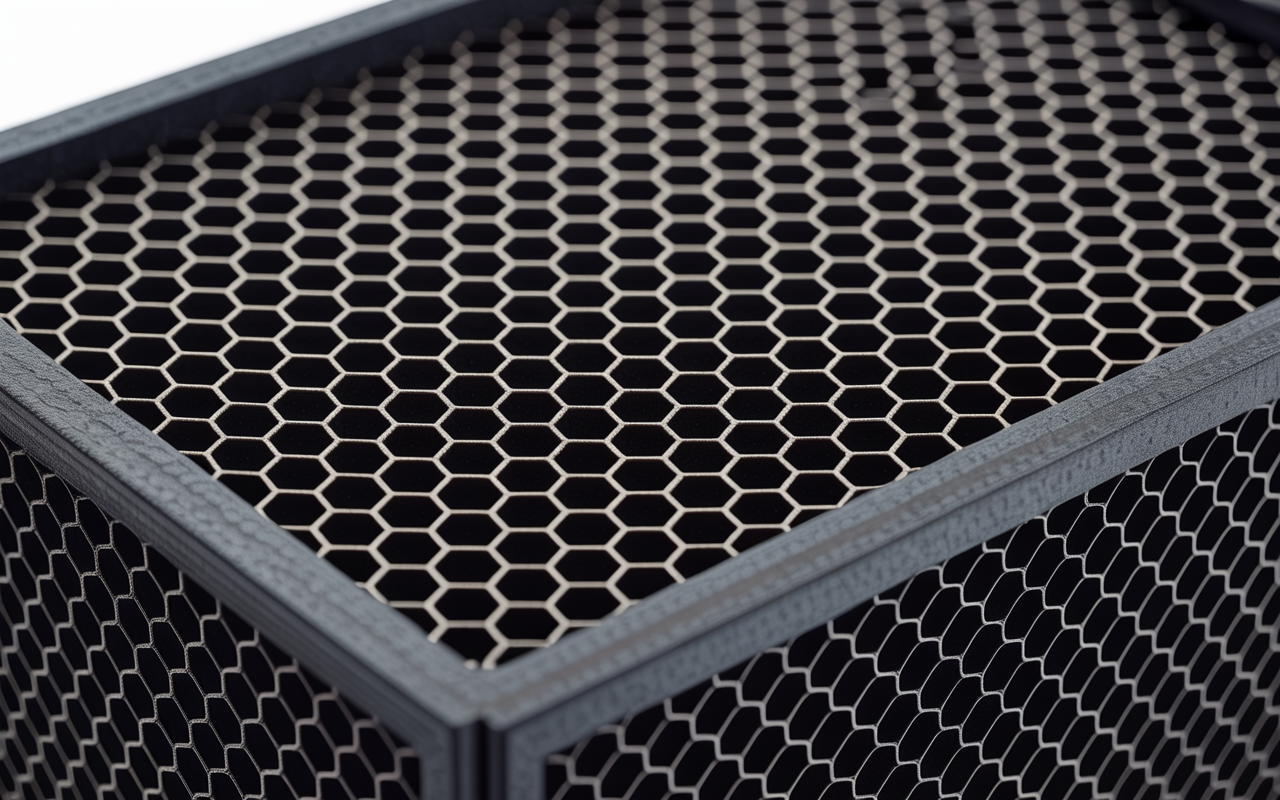
Odour Control in Indoor Skate Parks and Trampoline Parks: Where Filters Help
Indoor skate parks and trampoline parks are busy, enclosed spaces where odours can build up fast. Footwear, rubber mats, vinyl, foam surfaces and constant movement all add to the air load, especially when the venue is full and the ventilation system is working hard.
For operators and facility managers, odour control is not just about masking a smell. It is about understanding where those odours come from, how they move through the building, and where the air handling system can help remove them before they spread through the venue.
Why odours are common in indoor action venues
Skate parks and trampoline parks create a very specific indoor air profile. The air is shaped by repeated contact between people, equipment and surface materials, which means odour sources can be both continuous and varied.
Common odour contributors include:
- •Worn footwear and socks brought in by visitors
- •Rubber flooring, mats, ramps and bumpers
- •Foam pits and synthetic padding
- •Body odour from dense foot traffic and physical exertion
- •Cleaning chemicals that can linger if ventilation is poor
- •Dust and fine debris trapped in corners, under equipment and in return air paths
In these venues, odour often becomes most noticeable in waiting areas, change spaces, entry points and enclosed sections with limited fresh air movement. If the building envelope is tight, smells can hang around longer than expected.
Where filters help in the odour control picture
Air filters do not eliminate odours by themselves, but they can be an important part of a broader odour control strategy. In many facilities, the best results come from combining good ventilation design, regular cleaning and the right filter media for the air handling system.
Particle filters and odour control
Standard particle filters are useful for capturing airborne dust, lint, fibres and fine debris stirred up by foot traffic and activity. That helps reduce the overall load moving through the system and can support cleaner air delivery to occupied areas.
In practice, this can help when odours are being carried on:
- •Dust from shoes and outdoor clothing
- •Fine material from rubber and floor wear
- •General airborne debris from busy traffic patterns
If the system is recirculating air, keeping particle build-up under control can also help reduce the way odours cling to contaminated dust and duct surfaces.
Carbon filters and odour capture
Where odour control is a priority, activated carbon filtration can be fitted into the system to help adsorb certain airborne smells. Carbon filters are often considered where ventilation alone is not enough to manage persistent odours from rubber materials, footwear or heavy occupancy.
Carbon filters are typically used in specific applications rather than everywhere in the building. They need to be matched to the air handling arrangement, available space and airflow requirements. In some systems, carbon is installed as a separate stage after pre-filtration. In others, a combined approach is more suitable.
Carbon filters are worth discussing when:
- •Odours are noticeable soon after opening
- •Smells build up during peak traffic periods
- •The venue has enclosed areas with limited exhaust
- •The site uses a recirculating HVAC system
- •Rubber and synthetic surface materials are a major part of the interior fit-out
Getting the filter stages right
For indoor skate parks and trampoline parks, the filtration setup should usually be considered as part of the full ventilation design, not as a single product choice. The right arrangement depends on the air volume, occupancy pattern, return air placement and what the system is already expected to handle.
A practical staged approach might include:
- •A pre-filter to catch larger dust and fluff before it reaches the finer stages
- •A finer particle filter to reduce the airborne load through the system
- •Carbon filtration where odour control is needed
The aim is to protect the system, manage dust build-up and improve the way the venue smells during busy periods. If the venue has a mix of activity zones, the filtration strategy may need to vary between the main floor, café or entry areas and enclosed support spaces.
If you are unsure what filter size or frame type your system needs, how to measure an air filter is a useful place to start before ordering replacements.
Maintenance matters as much as product choice
Even a well-selected filter will not perform properly if it is left in place too long for the site conditions. Indoor action venues often have higher-than-average dust and odour loads because of traffic, movement and surface wear.
Inspection frequency depends on the system, site conditions and dust load. Follow the filter and equipment manufacturer instructions, and monitor pressure drop where gauges are fitted. If the filter bank is loading quickly, that can affect airflow and may also reduce the effectiveness of the odour control setup.
It is also worth checking for:
- •Gaps around the filter frame
- •Damaged seals or loose access doors
- •Dust bypass around poorly fitted filters
- •Saturated carbon sections that are no longer doing the job
Some filters are designed to be washable - check the product instructions before cleaning or reusing them. In other cases, replacement is the correct option.
Matching filters to venue design and standards
Ventilation in indoor recreation spaces needs to be considered alongside the broader building and mechanical services design. In Australia, AS 1668.2:2024 is often relevant to ventilation planning, but site requirements should always be confirmed with the mechanical services engineer or building owner.
For existing sites, a review of the air handling system may show that the odour issue is not only about filter media. It may also relate to where air is returned, whether the space is under-ventilated in peak periods, or whether the building is recirculating odorous air too effectively.
A contractor or facility manager may want to assess:
- •Whether the current filter stages are suitable for the dust load
- •Whether carbon filtration can be added without disrupting airflow
- •Whether the filter rack, access space and seals are suitable
- •Whether the system needs a custom size or non-standard frame
If your project needs a tailored fit, custom air filters can help when standard sizes are not suitable.
A practical approach for operators and contractors
Odour control works best when it is treated as part of the whole venue, not just the HVAC plant. For skate parks and trampoline parks, that means looking at the surfaces, traffic patterns, cleaning routines and ventilation together.
A good starting point is to:
- •Identify the worst-smelling zones and when odours are strongest
- •Check whether air is moving effectively through those areas
- •Review the current filter stages and their condition
- •Consider whether carbon filtration is appropriate for the system
- •Confirm any changes with the mechanical services engineer
If you manage more than one venue type, you may also want to review our industries we supply page to see where similar filtration approaches can be adapted.
Talk to Total Air Filtration
Total Air Filtration is a family-owned air filter manufacturer and supplier based in Hillcrest, Brisbane QLD, and we can help with standard and made-to-order solutions for recreational venues.
If you need help selecting the right filter setup for odour control, or you are working on a new or existing indoor skate park or trampoline park, call us on 07 3800 3448 or request a quote.
You can also contact us to discuss filter options, replacement sizes and system requirements.
Written by
The Total Air Filtration Team
General information only — always follow the instructions for your filter and system. Have questions about this article? We're here to help.