
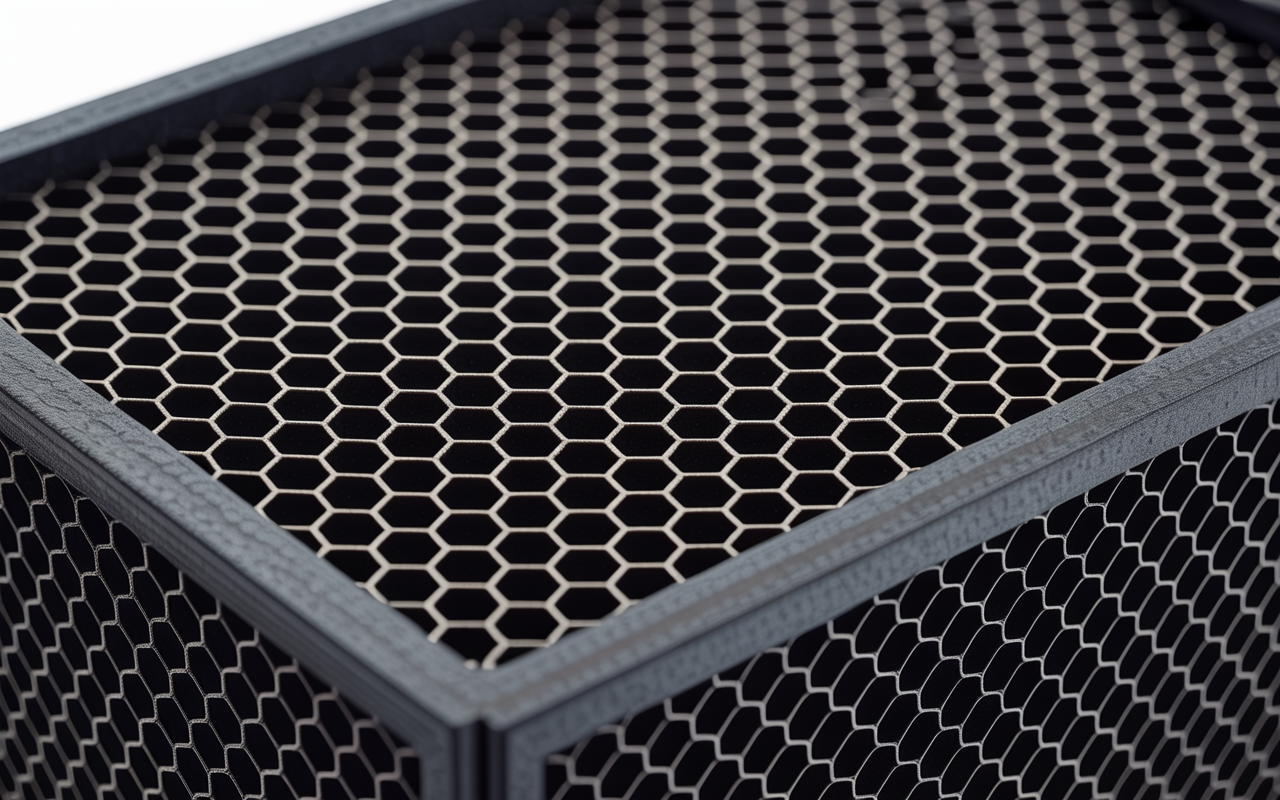
Odour Control in Hotel Corridors: When Carbon Filters Make Sense
Hotel corridors can pick up odours from many sources: cooking, housekeeping chemicals, smoking near entries, damp materials, refuse points, plant rooms and even strong perfumes in guest areas. When a complaint lands at reception, the instinct is often to look at the HVAC system straight away, but the right filter choice depends on what is actually in the air.
For some hotel spaces, a dust filter is enough. In others, activated carbon can make a meaningful difference by targeting odour molecules that a standard particulate filter will not catch. The key is knowing where each type of filter belongs, and where you will get better results by fixing the source or adjusting ventilation.
What dust filters do well in hotel corridors
A standard dust filter is designed to capture airborne particles such as lint, dust, fluff and some visible debris that moves through return air paths and corridor supply systems. In hotel environments, that can help keep ductwork cleaner and reduce the build-up of dirt around ceiling diffusers, returns and plant equipment.
Dust filters are usually the right starting point where the main complaint is not odour, but a general stuffy feeling or visible dust on grilles and in public areas. They can also be appropriate where the system is mainly recirculating air for temperature control and there is no clear odour source.
In practical terms, dust-only filtration often makes sense in:
- •Guest corridors with no recurring odour source
- •Back-of-house areas where the main concern is airborne dust
- •Plant rooms and service corridors where particulate control matters more than smell
- •Return air systems that are not intended to treat odours directly
If the issue is dust, debris or lint, adding a carbon stage will not necessarily solve it. In those cases, checking filter fit, dust loading, fan performance and cleanliness around the air handling unit is usually more useful than changing to a more complex filter arrangement.
Where activated carbon can help with odour complaints
Activated carbon is different from a dust filter. It does not work by trapping particles in the same way. Instead, it provides a large surface area that can adsorb certain gaseous odour compounds as air passes through it.
That makes carbon useful in situations where the complaint is clearly about smell, especially when the odour is coming from the air stream rather than from the room itself. In hotel corridors and common areas, that can include:
- •Smoke or lingering tobacco odour near entrances, balconies or designated smoking areas
- •Food odours drifting from kitchens, breakfast areas or function spaces
- •Cleaning product odours that are strong enough to be noticed in circulation air
- •Waste holding areas, bin rooms or service doors that open into guest circulation spaces
- •Damp or stale odours associated with poorly ventilated spaces, where the source has already been addressed but trace smell remains
Activated carbon is most effective when the odour source is intermittent or light to moderate, and when the air handling system can deliver enough contact time for the carbon to do its job. If the source is heavy or continuous, carbon alone is unlikely to be a complete fix.
For hotel managers, the important question is not simply whether a filter is “better”, but whether the system needs particle control, odour control, or both.
When carbon is worth the extra complexity
Carbon filters make sense when the odour complaint is linked to the HVAC system and you want to treat the air before it reaches guest-facing areas. They can be useful in systems serving:
- •Long internal corridors with low natural ventilation
- •Lobby areas where odours from doors opening and closing are noticeable
- •Connecting walkways between accommodation wings and function spaces
- •Shared amenity spaces where guests notice transient smells quickly
- •Areas near food preparation, refuse storage or smoking-related external sources
Carbon can also be useful when a building has a persistent “mystery smell” that comes and goes with wind direction, occupancy patterns or nearby activity. In those cases, carbon may help soften the impact while the team investigates the source.
That said, carbon is not always the best first step. If the odour is caused by a drain issue, mould source, wet carpet, blocked exhaust, poor housekeeping practice or air leakage from another area, a carbon filter may only mask the symptom. The source still needs attention.
Signs carbon is a sensible option
Consider activated carbon when:
- •Guests complain mainly about smell, not dust
- •The odour is drawn through the corridor supply or return air path
- •The source is external, intermittent or difficult to remove entirely
- •You need an extra layer of odour control without changing the whole system
When dust-only filtration is usually enough
Many hotel corridor systems do not need activated carbon at all. If the air quality complaint is about dust on surfaces, general dirt in the system, or visible contamination around grilles, a well-selected particulate filter is usually the better fit.
Dust-only filtration is often sufficient when:
- •The corridor has no recurring smell issue
- •The HVAC system is serving ordinary guest circulation areas only
- •The concern is keeping the air handler and ducts cleaner
- •The building already has effective source control for food, waste and housekeeping odours
In these cases, putting carbon into the system may add cost and complexity without addressing the actual problem. It can also increase resistance through the system, so it should be chosen for a clear reason rather than as a default upgrade.
For that reason, it is worth identifying whether the problem is a guest comfort issue, a maintenance issue, or an odour migration issue from another part of the building. The filter choice should follow the problem, not the other way around.
Practical considerations for hotel systems
Before changing filters, it helps to look at how the air system is set up and how the odour enters the space. A mechanical services engineer can help confirm whether the system is bringing in outside air, recirculating corridor air, or moving air between adjacent areas in a way that spreads odours.
The relevant site requirements should be confirmed with the mechanical services engineer or building owner, and AS 1668.2:2024 may be part of that review where ventilation design is being assessed.
A few practical points matter when carbon is being considered:
- •Carbon filters need to be selected for the type of odour involved
- •The housing and seal need to suit the existing frame and equipment
- •Airflow through the system must be checked so the filter can perform properly
- •Pressure drop should be monitored where gauges are fitted
- •Inspection frequency depends on the system, site conditions and dust load
- •Follow the filter and equipment manufacturer instructions
If you are unsure whether your system needs particulate-only filtration, carbon, or a combined approach, it can help to compare the existing filter dimensions and construction before ordering replacements. Our guide on how to measure an air filter may be useful if you are checking a current unit.
Some filters are designed to be washable - check the product instructions before reusing anything. In most hotel applications, though, it is still important to confirm whether cleaning is suitable for the specific filter type and the intended use.
Choosing the right filter setup for guest-facing areas
The best setup often depends on where the odour starts and how it moves through the building. A corridor close to a kitchen, bin store or smoking area may benefit from activated carbon, while a standard guest corridor may only need a robust dust filter and good maintenance of the HVAC equipment.
If the system is already struggling with dirty coils, blocked drains, poor sealing or air bypass, changing the filter alone will not solve the complaint. In those cases, the right answer may be a mix of source control, equipment maintenance and a better filter arrangement.
For hotels, that often means reviewing:
- •The nearby odour source
- •The return air path
- •The existing filter type and fit
- •The condition of fan coils, ducts and housings
- •Whether a carbon stage is needed in addition to dust control
If you supply or maintain several properties, it can also help to standardise what each area actually needs rather than using one filter type everywhere. Our our products page is a good place to compare filter options, and commercial filter servicing may be useful if you are coordinating ongoing maintenance across guest-facing sites.
Talk to Total Air Filtration
Total Air Filtration is a family-owned air filter manufacturer and supplier in Hillcrest, Brisbane QLD, and we can help you match the filter to the problem instead of guessing.
If you need advice on odour control in hotel corridors, or want help sourcing the right replacement filters, call 07 3800 3448 or request a quote.
You can also contact us if you need help confirming dimensions, filter type or a suitable option for your system.
Written by
The Total Air Filtration Team
General information only — always follow the instructions for your filter and system. Have questions about this article? We're here to help.