
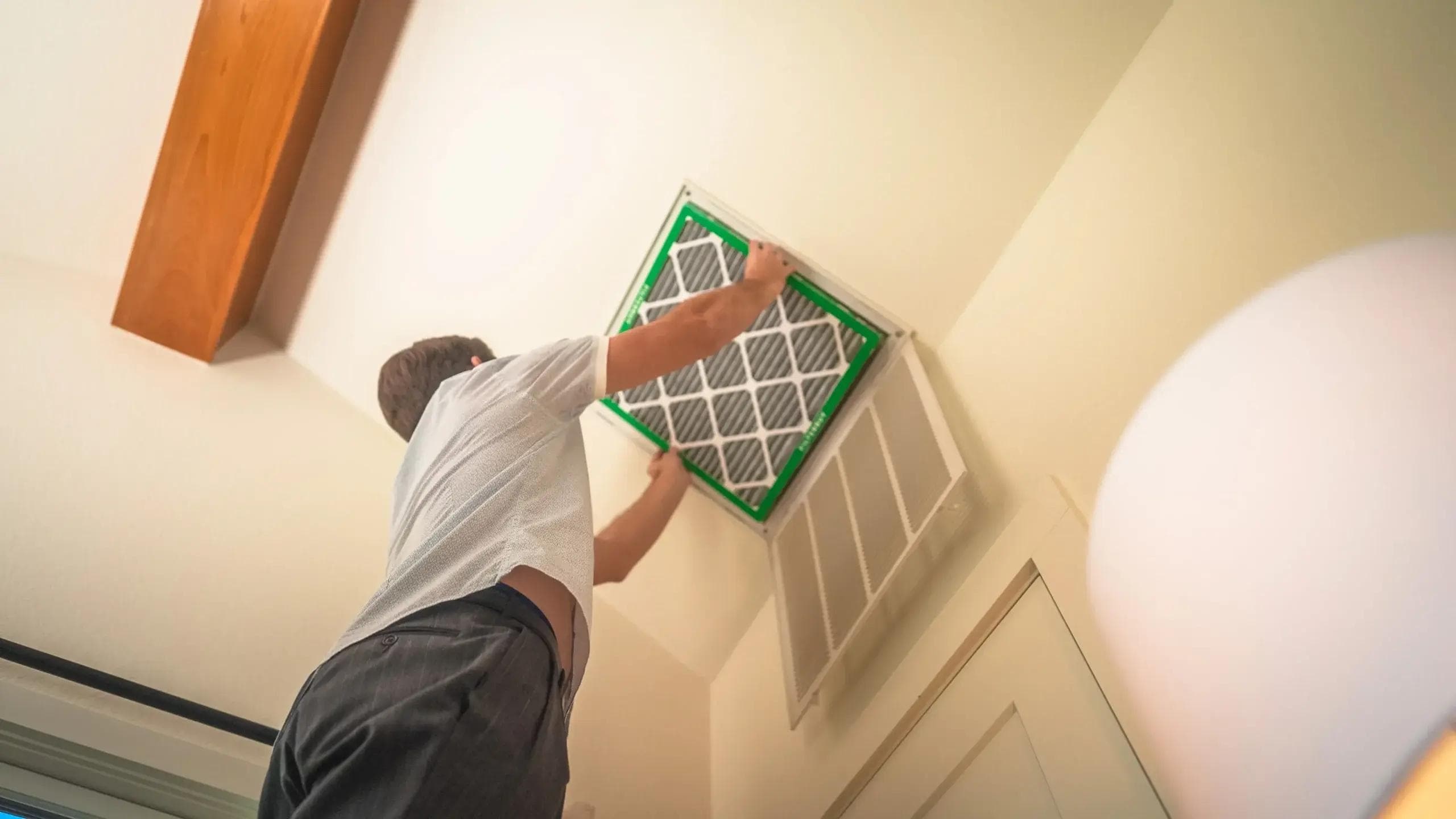
Myth: Washable Filters Are Always Better for Queensland Homes
Queensland homes face a mix of humidity, dust, pollen and coastal air that can make filter choice less straightforward than it first appears. A washable filter may suit some systems, but it is not automatically the better option for every home or building. In many cases, the practical questions are simpler: does it fit properly, does it allow the right airflow, and can it be dried and maintained without creating extra issues?
Washable and disposable filters do different jobs
The biggest myth is that “washable” means “better”. In reality, some filters are designed to be washable, while others are designed to be replaced. Each type has strengths and trade-offs, and the right choice depends on the equipment, the site conditions and how the filter is used.
A washable filter can be useful where access is straightforward and the filter can be cleaned, dried and reinstalled correctly. That said, a washable product is only useful if the system can handle it and if the cleaning process is done properly. If a filter goes back into service while still damp, or if it has been cleaned roughly, performance can suffer.
Disposable filters are often chosen for their consistency and simplicity. Once they are dirty, they are replaced rather than cleaned and dried. For many Queensland homes and facilities, that practicality matters more than the idea of “reusability”.
What matters most in humid conditions
In a humid environment, the hidden problem is not just dirt. Moisture can linger in the filter media, frames and housing if the filter is not fully dried or if the system is closed up too soon. That can lead to odour, reduced airflow, or visible mould growth on the filter itself or nearby surfaces.
That does not mean washable filters should never be used in Queensland. It does mean they need a realistic maintenance routine and a system that suits them.
Fit matters more than the label
A filter that does not fit properly can let air bypass around the edges, which defeats the purpose of using a higher-performing product. This applies to both washable and disposable filters.
When checking a replacement filter, look at:
- •The exact dimensions of the existing filter slot or frame
- •The depth and rigidity needed for the system
- •Whether the filter sits snugly without forcing or leaving gaps
- •Whether the frame, tracks or seals are worn or damaged
If the size is wrong, the filter may deform, rattle, bow or allow leakage. That is why measuring accurately is so important before ordering. If you need help with dimensions, see how to measure an air filter.
For older systems, a standard size may not be the best fit. In those cases, custom air filters can be a more practical option than trying to make a near-match work.
Airflow is part of the decision
A filter should capture particles without putting unnecessary strain on the system. If airflow drops too far, the system may struggle to perform as intended. This is especially important where the equipment is already working hard in warm weather.
Washable filters are sometimes marketed as though they are automatically “better flowing” because they can be cleaned. In practice, a washable filter that is partially clogged, poorly dried or not reinstalled correctly may restrict airflow more than a clean disposable filter of the right type.
Disposable filters also vary widely. Some are suited to light-duty applications, while others are designed for finer particle capture. The right balance depends on the unit, the ductwork and the requirements of the space. If you are unsure, it is worth discussing the application with the mechanical services engineer or building owner, particularly where AS 1668.2:2024 is relevant.
Watch for pressure drop
Where gauges are fitted, pressure drop is one of the most useful ways to judge when a filter needs attention. Rather than relying on guesswork, monitor the system and follow the filter and equipment manufacturer instructions. Inspection frequency should suit the system, site conditions and dust load.
Drying time is often the deciding factor
Drying time is one of the main reasons washable filters are not always the most practical choice in Queensland. In humid weather, a washed filter can take longer to dry than expected, especially if the media is dense or the frame traps moisture.
If a filter is put back too soon, moisture may remain inside the fibres, corners or frame. That can create problems for the next start-up and may reduce the filter’s usefulness. For homes or facilities that need stable operation, a filter that can be replaced immediately is often easier to manage.
This is why a washable product should only be used when the owner or manager can reliably:
- •Remove it without damaging the frame
- •Clean it according to the product instructions
- •Dry it fully before reinstallation
- •Check that it still fits correctly after repeated use
If that routine is hard to maintain, a disposable filter may be the more practical option, even if it lacks the appeal of being washed and reused.
Long-term practicality beats marketing claims
Marketing language often focuses on the idea of saving money, being eco-friendly or reducing maintenance. Those claims do not always reflect the reality of day-to-day use. The better question is: what is easiest to maintain properly over time?
For a homeowner, that might mean a filter that is simple to remove, inspect and replace without guesswork. For a facility manager, it may mean standardising filter types across similar systems so servicing is more consistent and less disruptive.
Practical considerations usually include:
- •How easy it is to access the filter
- •Whether spare filters are kept on hand
- •Whether staff have time to clean and dry washable filters properly
- •Whether the system is sensitive to airflow changes
- •Whether the environment brings in extra dust, salt air or moisture
A filter that sounds convenient on paper can become inconvenient if it needs frequent handling, long drying times or careful reinstallation. On the other hand, a well-chosen disposable filter can be easier to manage and more consistent in humid conditions.
Choosing the right filter for Queensland homes and buildings
The best choice depends on the system, the site and the way the property is used. In some homes, a washable filter may be suitable if the housing is designed for it and the owner can keep up with the cleaning and drying process. In other situations, a disposable filter may offer better day-to-day practicality and a more reliable fit.
If you are comparing options, focus on the basics:
- •Correct size and fit
- •Airflow requirements
- •Drying and cleaning time
- •Ease of inspection and replacement
- •The manufacturer’s instructions for the specific product
If you are managing a commercial property, the choice may also depend on servicing access and the system design. Our filter servicing and commercial filter servicing pages may help if you are reviewing a maintenance approach.
Need the right filter for your system?
Total Air Filtration is a family-owned air filter manufacturer and supplier in Hillcrest, Brisbane QLD. If you need a washable or disposable solution that suits your system, we can help supply or make the right filters for the job.
Call 07 3800 3448 or request a quote. You can also browse our products or contact us if you want to discuss an existing filter setup.
Written by
The Total Air Filtration Team
General information only — always follow the instructions for your filter and system. Have questions about this article? We're here to help.