
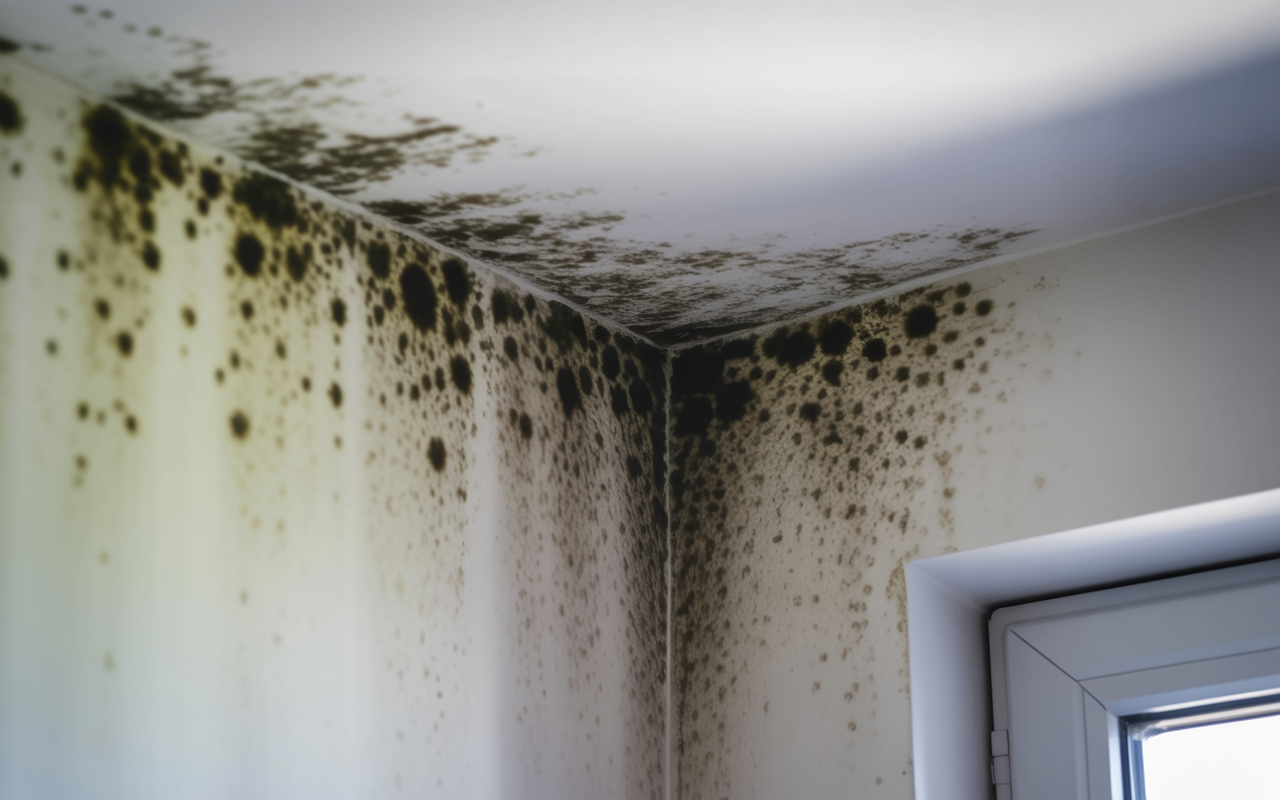
Humidity and Mould Risk: What Sensor Readings Can and Cannot Prove
Humidity readings are useful, but they are only one part of the picture. A damp reading may point to conditions where condensation is more likely, yet it cannot prove mould is present, where it is growing, or why it started.
For homeowners, property managers and facility managers, the challenge is turning sensor data into practical action without over-reading a single number. That means understanding what humidity can suggest, what it cannot confirm, and when to inspect the building itself.
What humidity readings can tell you
Relative humidity shows how much moisture is in the air compared with the air’s capacity to hold it at a given temperature. In simple terms, it helps indicate whether indoor air is trending towards a damp condition.
A humidity reading can help you:
- •spot spaces that may be drifting towards condensation risk
- •compare one room with another, such as a bathroom, plant room or storage area
- •see how indoor conditions change after rain, cooking, cleaning or HVAC operation
- •support routine checks in buildings where moisture-sensitive materials are present
That said, humidity is not a mould detector. It is a useful clue, not a diagnosis.
Why one reading cannot prove mould
Mould growth depends on more than moisture in the air at one moment. It also depends on where the moisture is, how long surfaces stay damp, whether materials have already absorbed water, and whether there is hidden water entry or poor drainage.
A single sensor reading cannot tell you:
- •whether mould is on a wall, ceiling or inside a duct
- •whether the issue is recent condensation or a long-running leak
- •whether moisture is localised to one corner, a cold surface or a hidden cavity
- •whether the source is internal activities, building fabric, ventilation issues or weather exposure
Two rooms can show similar humidity readings while having very different mould risk. A room with cold external walls, poor air movement and repeated surface wetting may be much more vulnerable than a well-mixed space with the same reading.
Condensation risk depends on temperature as well as humidity
Condensation happens when moist air meets a surface that is cool enough for water to form. That is why humidity alone does not tell the full story. Temperature, surface temperature and air movement matter just as much.
Practical examples include:
- •a bathroom with warm, moist air settling on a cool mirror or ceiling
- •a storage area with limited air circulation and cold external walls
- •a plant room where temperature swings create repeated surface wetting
- •a poorly insulated space where corners stay cooler than the rest of the room
If you are tracking conditions, it helps to look at humidity alongside temperature and, where possible, surface observations. Signs such as water droplets, staining, peeling paint, musty odour or visible growth deserve inspection rather than assumption.
What to check before blaming mould on humidity
If a sensor suggests damp conditions, the next step is to look for the cause. Useful checks include:
- •recent leaks, plumbing faults or roof issues
- •blocked gutters, poor drainage or water pooling near the building
- •inadequate exhaust ventilation in wet areas
- •closed-off spaces with little air exchange
- •unsealed penetrations, damaged insulation or cold bridging
- •furniture or stored items pushed tight against exterior walls
It can also help to ask when the reading was taken. A brief spike after showering or cleaning is not the same as persistent moisture in a poorly ventilated room. Patterns matter more than isolated numbers.
For commercial buildings, humidity data should be considered alongside the ventilation strategy. If you are reviewing a building system, AS 1668.2:2024 may be relevant, but site requirements should be confirmed with the mechanical services engineer or building owner.
Using sensor data properly in homes and buildings
Humidity sensors are most useful when they are placed and interpreted thoughtfully. A badly positioned sensor may read a location that is not representative of the room, such as beside a window, above a sink or near a supply air outlet.
A practical approach is to:
- •place sensors where conditions reflect normal occupancy rather than a hot or cold spot
- •compare readings over time instead of reacting to a single measurement
- •record weather, occupancy and HVAC operation when conditions change
- •inspect for visible moisture when readings stay elevated
- •follow manufacturer guidance for the sensor and any monitoring system in use
If your building has air filtration equipment, remember that filters are only one part of the indoor air system. They capture particles carried in air, but they do not remove the cause of a moisture problem. If a unit has gauges fitted, monitor pressure drop and follow the filter and equipment manufacturer instructions to decide when inspection or servicing is needed.
Where air filtration fits into moisture and mould management
Air filters help support cleaner air movement through HVAC systems by capturing airborne particles, but they are not a remedy for condensation, leaks or poor ventilation. In buildings where dust loads are high, filters may need closer attention, and the right product depends on the system design and site conditions.
If you are reviewing filter options, it is worth matching the product to the application rather than relying on a general assumption. Some filters are designed to be washable - check the product instructions. In commercial settings, you can also discuss commercial filter servicing or explore our products if you need replacements or a custom fit.
If the filter size is uncertain, how to measure an air filter can help before you order. For unusual frames or non-standard dimensions, custom air filters may be the better path.
When to inspect, service or escalate
Do not wait for a tidy schedule if the site is showing signs of moisture stress. Inspection frequency depends on the system, site conditions and dust load, and it should follow the manufacturer’s instructions. If gauges are fitted, pressure drop is a practical indicator to watch.
Escalate the issue when you see:
- •repeated condensation on surfaces
- •visible mould or recurring staining
- •persistent odour after normal cleaning and ventilation
- •damp insulation, corrosion or water ingress
- •filter loading that suggests the system is under strain
If people in the building have health concerns, they should seek medical advice rather than relying on a sensor reading or visual inspection alone.
Talk to Total Air Filtration
Total Air Filtration is a family-owned air filter manufacturer and supplier in Hillcrest, Brisbane QLD. If you need the right replacement filters, a custom solution or practical advice for your site, we can help you work through the options.
Call 07 3800 3448 or request a quote. You can also contact us if you want to discuss your system, or view industries we supply for more information.
Written by
The Total Air Filtration Team
General information only — always follow the instructions for your filter and system. Have questions about this article? We're here to help.