
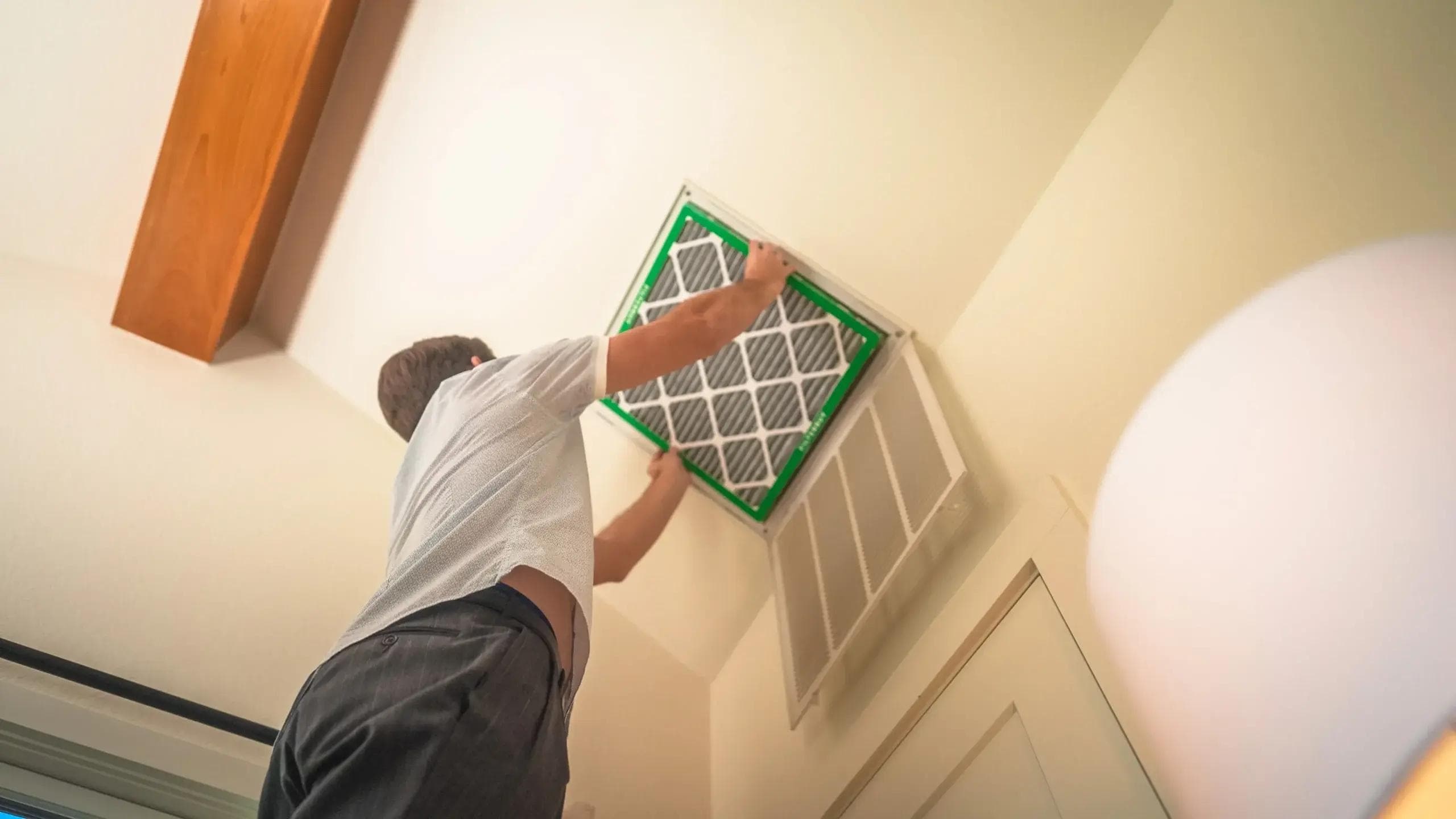
How to Stop Dust Bypass Around a Return Air Filter
Dust bypass around a return air filter is a common reason dust keeps showing up where it should have been captured. In many cases, the filter media is not the main problem, the gap around the frame is. If air can take the easiest path, it will, so a poor seal, the wrong size, or a loose fit can let unfiltered air slip past the filter and into the system.
What dust bypass actually is
Dust bypass happens when air moves around the edge of the filter instead of through the filter media. The filter may still look clean enough at first glance, but if there is a gap between the filter frame and the housing, cabinet, return grille or filter rack, dust can travel straight through that opening.
This is different from a filter simply loading up with dust over time. A loaded filter restricts airflow through the media. Bypass means the air is avoiding the media altogether.
Common places where bypass starts include:
- •A filter that is slightly undersized for the opening
- •A distorted or bent filter frame
- •Worn or missing gasket material
- •Clips, latches or access doors that do not pull the filter tight
- •A rack or housing that is damaged, out of square or poorly assembled
- •Filters installed the wrong way around, or not seated fully in the track
Why the filter edge matters so much
Even a well-made filter can underperform if it is not sealed correctly in the system. The edge of the filter is where the air seal is created, so the installation details matter as much as the filter media itself.
In a home return air grille, the issue may be a loose filter sitting behind a grille cover. In a commercial or industrial system, bypass can happen at the filter bank, the holding frame, bag-in/bag-out housing or access panel. Larger systems often have more potential leak points, which is why sealing and correct installation need to be checked as part of routine maintenance.
If the filter is part of a system designed to align with AS 1668.2:2024, the site requirements should still be confirmed with the mechanical services engineer or building owner before making changes. The right filter arrangement depends on the system design, access and operating conditions.
Common causes of dust bypass
The filter is the wrong size
A filter that is too small for the opening can leave a visible gap, but the problem is not always obvious. Some gaps are hidden behind a frame or seal. If the filter appears to slide in too easily, or rattles in the holder, sizing should be checked.
For replacement filters, measure carefully before ordering. If you need help with dimensions, see how to measure an air filter.
The seal has worn, flattened or been left out
Many systems rely on a gasket, foam strip, bead seal or similar material to close the gap between the filter and the housing. Over time, these materials can flatten, tear, peel away or become contaminated with dust.
A seal problem is one of the most common reasons air escapes around the edge. Even a small defect can affect how the filter sits in the frame.
The filter was not seated properly
If the filter is installed at an angle, not pushed fully home, or left sitting on an obstruction, air can move around it. This is especially common when a filter is changed quickly and the housing is dirty, bent or crowded with debris.
Installation should be neat and deliberate. If the filter is part of a commercial system, make sure access panels, clips and latches are closed correctly after the change.
The rack, frame or grille is damaged
A filter may be the right size and in good condition, but if the supporting structure is warped, corroded or loose, the seal can still fail. This is common in older equipment, high-dust sites and installations that have been opened many times.
Look for:
- •Bent retaining channels
- •Loose frames or missing fasteners
- •Twisted access doors
- •Rust or corrosion on the holding surface
- •Dust tracks that show where air has been leaking
How to reduce bypass with better sizing and sealing
The most effective way to control bypass is to make the filter and the housing work together as a sealed assembly. That starts with the right size and continues with a proper seal.
Choose the correct filter dimensions
Nominal size and actual size are not always the same. Always confirm the required dimensions before ordering replacement filters. If the fit is tight, the filter should slide in without force but still sit snugly once installed.
For custom or non-standard openings, custom air filters may be the better option than trying to make a standard size work. A purpose-made filter can help close awkward gaps and improve the fit at the frame edge.
Use the right sealing method for the application
Different systems use different sealing methods, and the seal needs to suit the housing design. Depending on the application, this may involve a foam gasket, compression seal, retained frame, knife-edge seal or a carefully fitted mounting arrangement.
What matters is that the seal is continuous and evenly compressed. If the seal is only contacting part of the frame, dust can still slip through the remaining gap.
Keep the contact surfaces clean
A seal will not perform properly if the frame surface is covered in dust, grease or loose debris. Before fitting a replacement filter, wipe the contact area clean and remove anything that could stop the filter from sitting flat.
If the system is in a dusty plant room, workshop or manufacturing area, the housing may need a more regular inspection than a lightly used residential return air grille.
Installation habits that help stop bypass
Correct installation is just as important as correct sizing. A filter can be the right product and still leak if it is handled poorly.
Useful installation checks include:
- •Confirm airflow direction before fitting the filter
- •Make sure the filter is square in the frame
- •Check that the frame or clips are holding the filter evenly on all sides
- •Inspect for gaps after installation, especially at corners
- •Close and secure access doors fully
- •Check for dust streaks or marks that suggest previous bypass
If the system uses panel filters or bag filters in a commercial setting, staff should follow the equipment manufacturer’s instructions and the site maintenance procedure. For larger sites, commercial filter servicing can help keep filter banks seated properly and make it easier to spot damaged housings before they become a bypass problem.
How often should bypass be checked
There is no single inspection schedule that suits every system. How often you check a filter depends on the site conditions, dust load, operating hours and the type of equipment installed.
A practical approach is to:
- •Inspect more often in dusty or high-use areas
- •Follow the filter and equipment manufacturer instructions
- •Monitor pressure drop where gauges or indicators are fitted
- •Check for dust marks, leakage around the frame and signs of poor seating
- •Review the housing condition when replacing filters
Some filters are designed to be washable - check the product instructions before cleaning or reusing them. If the filter is not intended to be washed, forcing the issue can damage the media or frame and make sealing worse.
For ongoing support, filter servicing can help keep the system in good working order.
When the filter itself is not the whole answer
If bypass keeps happening after a replacement, the issue may be in the housing rather than the filter. Repeated leakage often points to a sizing error, a worn frame, a damaged seal surface or a poor-quality retrofit arrangement.
In those cases, a different filter style, a revised frame, or a custom-made solution may be needed. Total Air Filtration, a family-owned air filter manufacturer and supplier in Hillcrest, Brisbane QLD, can help match the filter to the opening and the application.
If you are unsure whether the problem is the filter, the seal or the housing, our products and industries we supply pages are a good place to start.
Need a better fit for your return air system?
If dust is bypassing the filter edge, the answer is often a better seal, the correct size, or a cleaner installation method. Total Air Filtration can supply or make the right filters for your system, including standard and custom options.
Call 07 3800 3448 or request a quote. You can also contact us if you need help working out the right filter for your return air setup.
Written by
The Total Air Filtration Team
General information only — always follow the instructions for your filter and system. Have questions about this article? We're here to help.