HEPA Filters Explained: Do You Really Need One?
What Makes a Filter HEPA
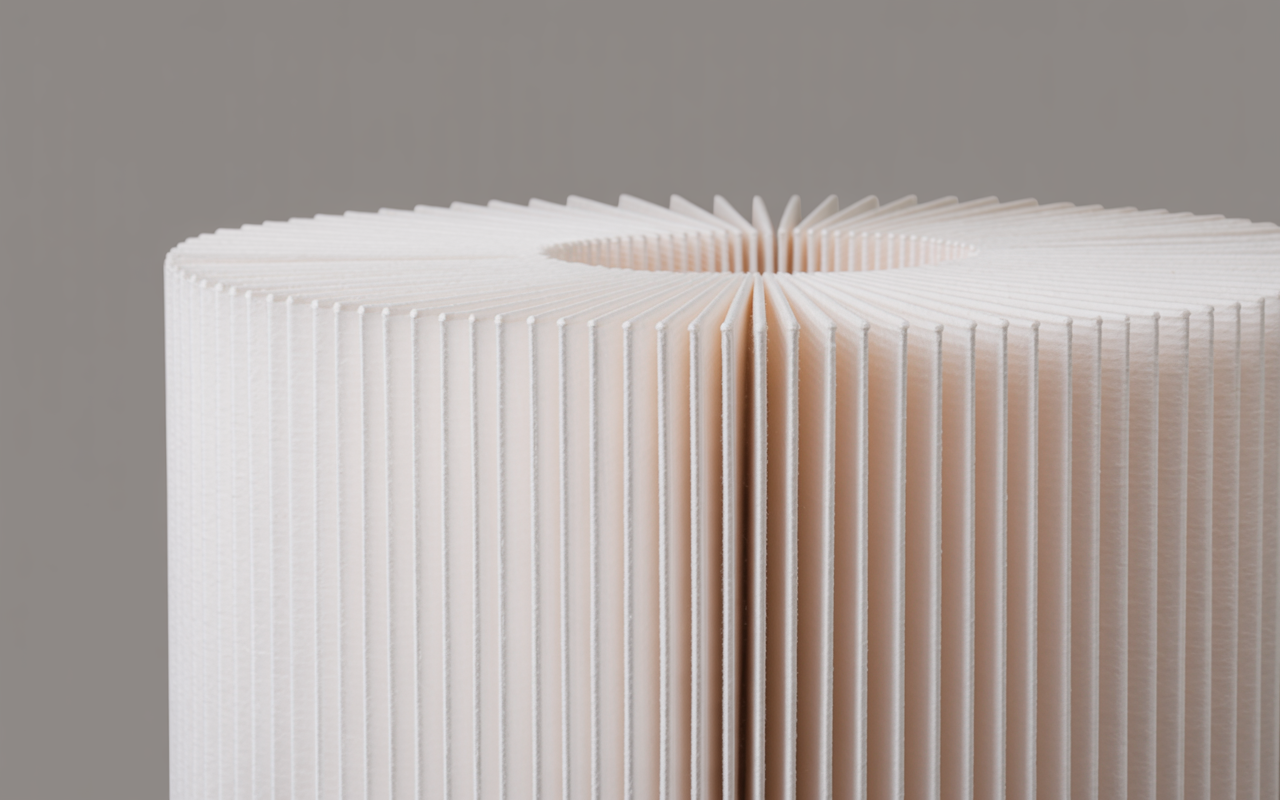
HEPA stands for High Efficiency Particulate Air. To earn the name, a filter must capture at least 99.97% of particles at 0.3 microns — the hardest particle size to trap. That includes fine dust, pollen, mould spores, bacteria and smoke particulate.
- •HEPA H13 captures 99.97% of particles at 0.3 microns
- •HEPA H14 goes further at 99.995%
These are true medical-grade filters, used in hospitals, laboratories and critical clean environments.
Who Actually Needs HEPA
HEPA is worth it if you or your family fall into these groups:
- •Asthma or serious allergy sufferers
- •People with respiratory or immune conditions
- •Households near bushfire-prone areas or busy roads
- •Baby nurseries and bedrooms
For general dust control in a healthy household, a good G4 or F5 filter is often enough. HEPA shines when air quality genuinely matters to someone's health.
How to Use HEPA Effectively
HEPA filters are dense, so they need a system designed to push air through them. That usually means a dedicated HEPA air purifier for a room, rather than dropping a HEPA filter into a system not built for the airflow resistance.
Pair a HEPA stage with a pre-filter to catch large particles first — this protects the HEPA media and extends its life.
Talk to Us About HEPA
We supply genuine HEPA and absolute filters rated to 99.99%, along with the pre-filters to protect them. Call 07 3800 3448 or browse the full catalogue to find the right option.
Written by
The Total Air Filtration Team
Have questions about this article or need help with your air filtration? We're here to help.