
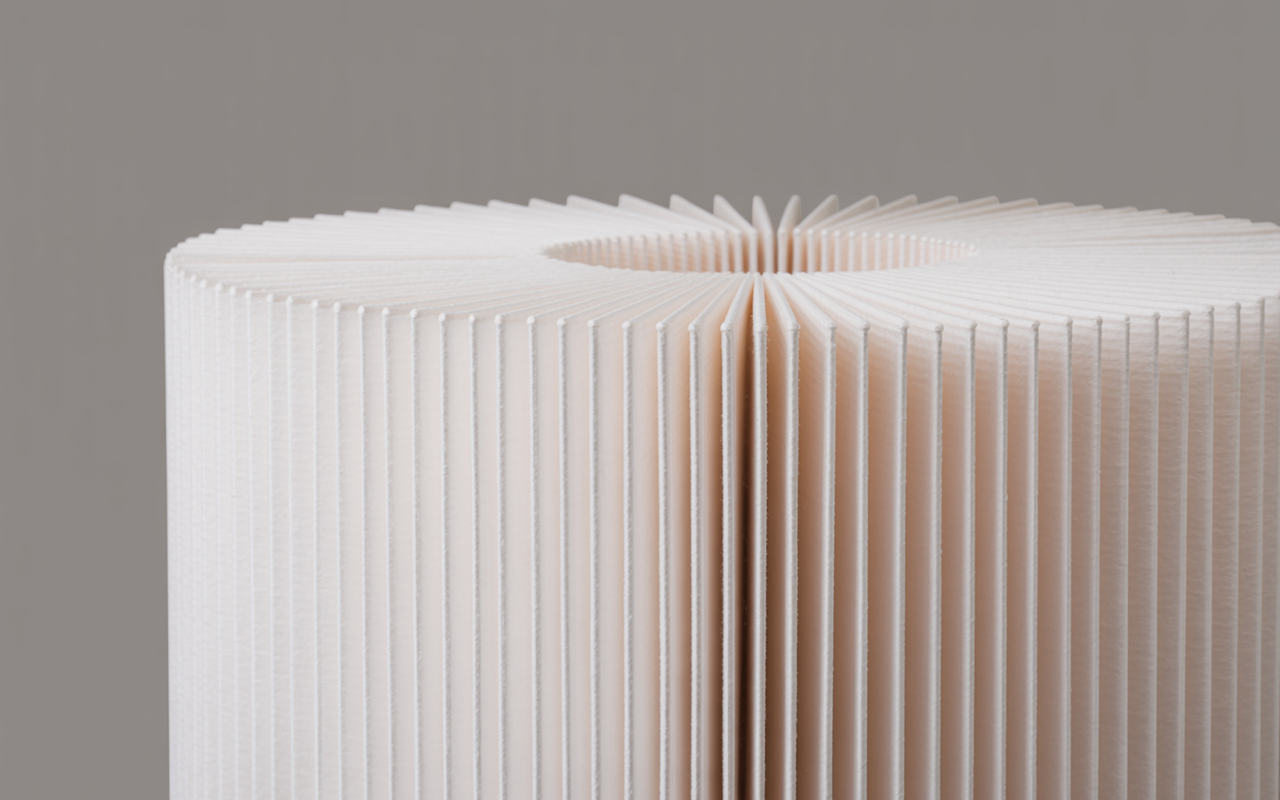
HEPA Filter Change-Outs in Pharmaceutical Compounding Rooms
Pharmaceutical compounding rooms depend on stable, well-managed airflow, so a HEPA filter change-out needs more planning than a routine maintenance task. The aim is not just to replace a filter, but to protect the room conditions, reduce contamination risk during the works, and restore the system with minimal disruption.
For lab managers, pharmacists and mechanical contractors, that means coordinating the timing, access, shutdown steps, containment and post-change verification before anyone lifts a panel or opens a housing.
Why change-out planning matters in compounding areas
In compounding spaces, the filter arrangement is part of the room’s control strategy. If a HEPA filter is removed without a clear plan, the room can be exposed to bypass air, loose debris or unplanned pressure changes that affect performance.
A good plan helps you:
- •keep the room protected while work is underway
- •manage access so people know when the area is unavailable
- •reduce the chance of dust or fibre release during removal
- •avoid damaging the filter housing, gasket surfaces or frame
- •return the system to service with the correct checks completed
The exact approach depends on the room layout, the fan and terminal arrangement, the site’s operating practices and the type of filter installed. If the room is part of a broader ventilation system, confirm site requirements with the mechanical services engineer or building owner. AS 1668.2:2024 may be relevant to ventilation design and operation, but site-specific requirements still need to be checked for the installation.
Before the change-out: build a site-specific plan
Start with the filter records, equipment manuals and any maintenance history you already have. That information tells you what type of filter is installed, how it is mounted, and whether there are access limits that affect removal.
Useful pre-job checks include:
- •confirming the exact filter size, frame depth and sealing method
- •checking whether the filter is located in a terminal housing, AHU section or ceiling grid
- •reviewing the shutdown procedure for the specific system
- •confirming who will isolate the system and who will restart it
- •identifying any adjacent clean areas that may also need protection
- •checking pressure drop readings where gauges are fitted, so you know whether the filter is nearing the end of its useful service life
Inspection frequency depends on the system, site conditions and dust load. Follow the filter and equipment manufacturer instructions rather than working to a fixed calendar alone.
If the existing filter is a standard pre-filter or final filter in a staged system, make sure the replacement set matches the installed housing and airflow requirements. You can review our products if you need to confirm available filter types, or use how to measure an air filter to check dimensions before ordering.
Safe handling during removal and installation
HEPA filters are delicate and should be handled carefully. Even when the filter media is intact, the frame edges, sealing surfaces and housing contact points can be vulnerable to damage during removal.
Practical handling steps include:
- •preparing clean packaging or sealed bags before starting the job
- •wearing appropriate PPE for the site and task
- •avoiding dragging the filter across surfaces
- •keeping the old filter sealed as soon as it is removed
- •cleaning the housing and gasket seating areas before installing the new filter
- •checking that the replacement is seated evenly with no visible gaps or distortion
If a filter has been in service in a dusty environment, treat it as contaminated material and handle it accordingly. Do not shake it out or attempt improvised cleaning unless the product instructions specifically allow that method. Some filters are designed to be washable - check the product instructions.
For compounding rooms, the condition of the housing matters as much as the new filter itself. A damaged gasket surface, warped frame or poorly aligned clamp can undermine the seal and create airflow inconsistency even when the replacement filter is correct.
Maintaining clean airflow consistency during the work
The goal during a change-out is to minimise the disturbance to the room and restore the airflow path as close as possible to the original operating condition.
Where practical, consider:
- •scheduling the work when the room is not required for critical tasks
- •isolating the area and limiting traffic during the change-out
- •using temporary containment or access controls if the site procedure calls for it
- •keeping the shutdown as short as practical while still allowing proper inspection and cleaning
- •verifying that fans, dampers and controls are returned to their normal settings before re-commissioning
In some systems, a change-out is also the right time to inspect upstream pre-filtration. If pre-filters are overloading, the HEPA filter can be exposed to more particulate load than intended, which can shorten service life and make airflow less stable. If your site uses staged filtration, filter servicing or commercial filter servicing can help with planned maintenance coordination.
HEPA ratings are relevant when you are specifying replacements. Under EN 1822, H13 filters are at least 99.95% efficient at the most penetrating particle size, and H14 filters are at least 99.995% efficient at MPPS. Choose the grade that matches the equipment design and site requirements rather than assuming one grade suits every room.
After the change-out: verify and document
Once the new filter is in place, the job is not finished until the system has been checked and recorded.
Post-change checks often include:
- •confirming the filter is seated correctly and all clamps or retainers are secure
- •checking for leaks around the frame and seals using the site’s preferred method
- •confirming airflow and pressure readings are within the expected operating range
- •checking that alarms, gauges or indicators are reset or noted as required
- •recording the filter type, location, date and any observed issues for future reference
If the housing or access arrangement is non-standard, the replacement may need to be custom-made to suit the opening and sealing method. In that case, custom air filters can be a useful option when off-the-shelf sizes do not fit properly.
Documentation is especially important in compounding rooms because it creates a clear maintenance history. It also helps the next technician understand whether a pressure increase, seal issue or fit problem is part of a wider trend.
When to replace, repair or redesign
A filter change-out sometimes reveals a larger issue with the room or plant. If the filter appears to be loading unevenly, or if there are repeated sealing problems, it may point to poor airflow distribution, a damaged housing, or maintenance access that is making the job unnecessarily difficult.
That is where a practical review helps. A mechanical contractor may need to inspect the housing and seals. A pharmacist or lab manager may need to review operational timing and access controls. The building owner may need to confirm whether the installed equipment still suits the room use.
If you need to discuss a replacement size, a specialised profile or a maintenance-friendly option for your site, Total Air Filtration can help supply or make the right filters for the application. We are a family-owned air filter manufacturer and supplier in Hillcrest, Brisbane QLD, and you can call 07 3800 3448 or request a quote.
Written by
The Total Air Filtration Team
General information only — always follow the instructions for your filter and system. Have questions about this article? We're here to help.