
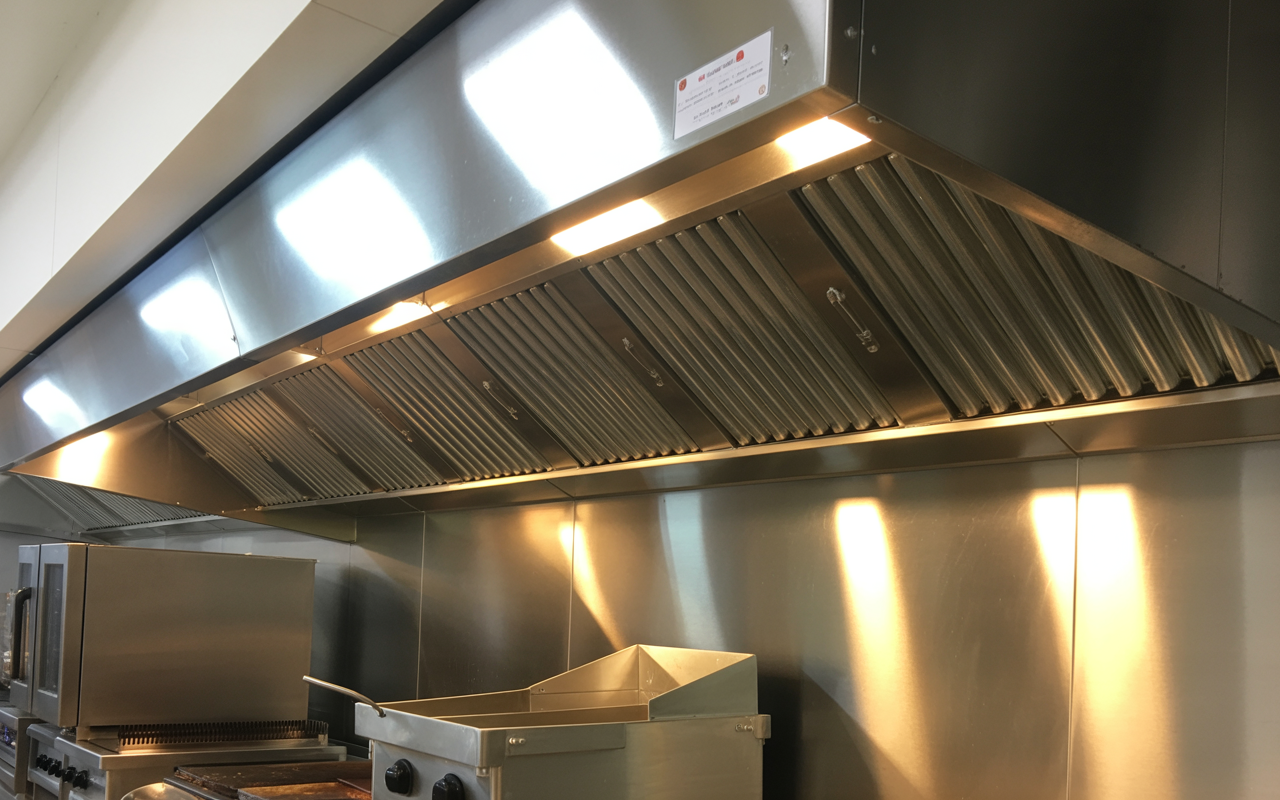
Grease Filter Choices for Food Trucks and Fixed Takeaway Vans With Built-In Ventilation
Food trucks and fixed takeaway vans with built-in ventilation face a different set of filter decisions than a large commercial kitchen. Space is tight, airflow paths are short, and the equipment often has to handle a changing menu, changing cooking methods and frequent movement or vibration.
The right grease filter choice is not just about fitting the opening. It is about matching the filter type to the exhaust system, keeping pressure drop within the system’s limits, and making sure the setup is practical to inspect, clean or replace in a cramped cabinet.
Why grease filtration matters in compact food service ventilation
In a small kitchen-on-wheels or a semi-mobile takeaway van, the exhaust system has to do a lot with very little room. Grease-laden air from frying, grilling, chargrilling and sautéing can build up quickly in canopy systems, ductwork and fans if the filtration stage is not suited to the load.
A suitable grease filter helps capture larger airborne grease droplets and food particles before they move deeper into the system. That can support more consistent airflow, reduce build-up on internal surfaces and make routine cleaning more manageable.
For fit-out contractors, the main challenge is usually balancing three things at once:
- •capture efficiency for the cooking style
- •low enough resistance for compact fans and short duct runs
- •practical access for cleaning or replacement
The best choice depends on the menu, the ventilation layout and how much room is available in the filter rack or plenum.
Common grease filter styles used in tight installations
Baffle filters
Baffle filters are widely used in commercial kitchen canopies because they suit higher grease loads and are generally sturdy. Their angled paths help separate grease from the airstream while still allowing air to pass through.
They are often a strong option where the cooking line produces a lot of grease, such as fryers or grills. In compact food vehicles, their main advantage is robustness. Their main drawback is that they still need enough physical depth and clearance for removal and cleaning.
Mesh or panel grease filters
Mesh-style grease filters can suit lighter-duty cooking and some compact housings where the priority is a smaller footprint. They are often easier to place into narrow frames, which can be useful in a van fit-out where every millimetre matters.
The trade-off is that mesh styles can load up more quickly in greasy applications, so the system may need more frequent inspection and cleaning. If access is awkward, that can become a practical problem even if the filter itself fits well.
Cartridge or specialised compact filters
Some systems use compact cartridges or purpose-made filter sections to deal with limited space or a specific fan and canopy arrangement. These are usually chosen to suit the equipment design rather than as a universal option.
When a contractor is planning a new build or refurbishment, this is where custom air filters can make the difference between a workable installation and one that is difficult to service.
What to consider before choosing a filter
Cooking style and grease load
Start with the cooking process, not just the cabinet size. A menu built around frying or heavy grilling will usually need a different approach than one based on warming, light pan cooking or steam-assisted preparation.
If the cooking load changes during the day, the filter needs enough capacity to handle the peak conditions without causing excessive resistance or nuisance build-up.
Available depth, width and access
In a food truck or van, the filter is often installed behind a limited front opening or in a shallow canopy section. Measure the actual opening and the usable internal depth, including handles, frames and nearby components.
If you are replacing an existing filter, do not assume the old unit was the right size. Use accurate dimensions and confirm how the filter sits in the frame. If needed, see how to measure an air filter.
Access is just as important as size. If the operator cannot remove the filter without struggling past ducting, lighting or a tight hood edge, maintenance is more likely to be delayed.
Airflow and pressure drop
Compact exhaust systems have less tolerance for restrictive filters. A filter that is too dense for the fan or duct design can make the system harder to balance and may affect extraction performance.
Where pressure gauges are fitted, monitor pressure drop and use that reading alongside visual inspection. Follow the filter and equipment manufacturer instructions, and if the canopy or exhaust arrangement forms part of a broader mechanical design, confirm site requirements with the mechanical services engineer or building owner.
Cleaning and replacement practicality
Some filters are designed to be washable - check the product instructions. Others are intended for replacement rather than cleaning, depending on the construction and the application.
In a mobile operation, washability may be useful if the crew has a safe place and routine to clean filters off-site. In a fixed takeaway van, a replaceable filter may be preferable if access to wash-down facilities is limited.
The important point is to choose a filter the team can realistically maintain. A technically suitable filter that is hard to clean is often a poor fit in a small operation.
Fit-out details that affect performance
Frame size and sealing
Even the right filter media will not perform well if air bypasses around it. The frame must suit the opening closely, and the filter should sit properly without gaps, distortion or movement.
This is especially important in mobile units where vibration can loosen components over time. A secure fit helps keep the airstream moving through the intended filter path rather than around it.
Material choice and durability
Grease filters in food vehicles face heat, moisture, cleaning chemicals and repeated handling. Choose a construction that suits the environment and can cope with regular removal.
For contractors, it is worth checking how the filter is handled during servicing. A filter that is awkward to grip or too fragile for repeated cleaning can slow down routine maintenance and create avoidable wear.
Compatibility with the ventilation system
If the exhaust system is already specified, the grease filter should suit the existing fan capacity, duct layout and canopy design. In retrofit jobs, it is often best to work from the actual equipment dimensions and site conditions rather than trying to force a standard solution into a tight space.
For broader ventilation context, it can also help to review our products and compare options against the canopy and exhaust setup on site.
Maintenance, inspection and day-to-day operation
Food truck operators tend to notice filter issues through practical signs before they look at technical data. Slower extraction, visible grease build-up, unusual smells in the cooking area or more frequent cleaning demands can all point to a filter choice that needs review.
A good maintenance routine is usually simple:
- •inspect filters based on the system, site conditions and grease load
- •check for damage, distortion or gaps in the frame
- •clean or replace filters according to the product instructions
- •monitor pressure drop where gauges are fitted
- •keep the filter housing and adjacent surfaces clean so airflow is not obstructed
If servicing is falling behind because the unit is too hard to access, it may be worth looking at a more practical filter style or a revised access panel. For ongoing support, see filter servicing and commercial filter servicing.
Working with standards and project requirements
In Australia, ventilation design and installation may need to align with AS 1668.2:2024, depending on the application. For food trucks and fixed takeaway vans with built-in ventilation, the exact site requirements should be confirmed with the mechanical services engineer or the building owner.
That matters because the filter choice is part of a wider system. The canopy, exhaust fan, duct routing, make-up air arrangement and access for maintenance all influence what will work well in practice.
When the project involves a new build, refurbishment or replacement of a non-standard filter size, choosing the right product early can avoid last-minute fit issues. It also helps to know who is supplying the filter and whether a standard or custom-made option is the better path.
Talk to Total Air Filtration
Total Air Filtration is a family-owned air filter manufacturer and supplier in Hillcrest, Brisbane QLD. We can help supply or make the right filters for compact food service ventilation, including custom sizes for awkward openings and existing housings.
If you are planning a food truck fit-out, updating a takeaway van, or replacing hard-to-match grease filters, call 07 3800 3448 or request a quote. You can also contact us or view the industries we supply for more information.
Written by
The Total Air Filtration Team
General information only — always follow the instructions for your filter and system. Have questions about this article? We're here to help.