
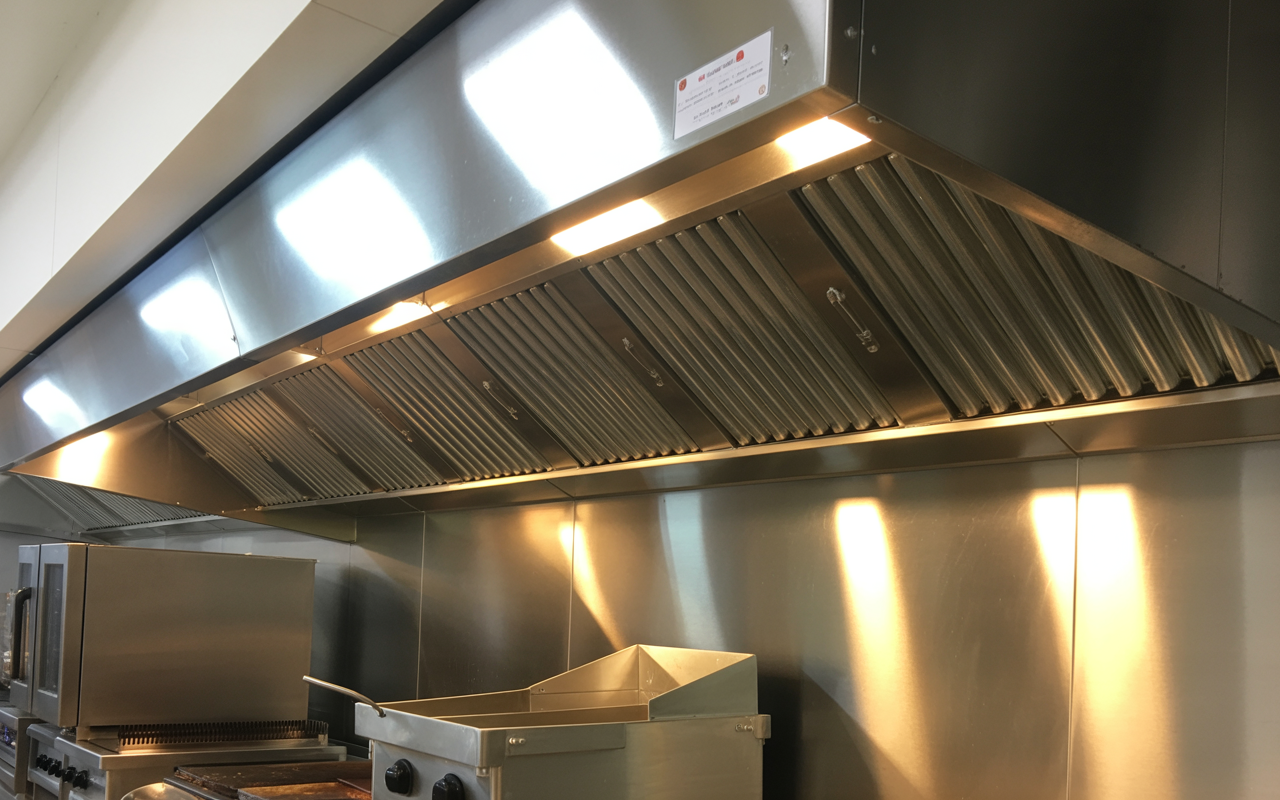
Filter Selection for Commercial Kitchens with High Heat and Heavy Use
Commercial kitchens put air filters under very different conditions to offices or retail spaces. High temperatures, variable airflow, steam and grease-laden air can all affect how a filter performs, how often it needs inspection and what type of filter is most suitable for the system.
For mechanical contractors and facility managers, the right choice is rarely about a single rating alone. It is about matching the filter construction, resistance and maintenance approach to the way the kitchen actually operates.
Why kitchen conditions change the filter selection
Commercial kitchens move a lot of air, and that air is often hot, humid and full of fine grease aerosols. Those conditions can load filters quickly and increase resistance across the system if the filter arrangement is not suited to the duty.
Heat matters because it can affect the stability of filter media, frames, seals and adhesives. In a busy kitchen canopy or associated make-up air system, elevated temperatures may shorten the useful life of some products or cause deformation if the product is not intended for that environment.
Airflow matters because a filter must fit the operating profile of the fan and ductwork. If the pressure drop is too high for the system, airflow can fall below the design intent. If the filter face velocity is excessive, grease and dust can pass through or build up unevenly.
Grease loading is the other major factor. Grease particles tend to cling to surfaces and collect in layers, especially where air turns or slows. This can lead to:
- •faster clogging in the primary filter stage
- •uneven loading across the filter face
- •more frequent inspection needs
- •greater pressure drop between services
- •the need for easier access and safer change-out procedures
Start with the application, not just the rating
A kitchen exhaust system, a make-up air system and any downstream filtration stage do different jobs. That means the filter choice should be based on where it sits in the system and what it is meant to capture.
For grease-prone kitchen environments, the first stage is often focused on intercepting larger particles and grease droplets before they reach fans, ductwork or finer downstream filters. The downstream stage, where fitted, may be selected to catch smaller particles or to support a cleaner supply air stream.
When comparing options, look at:
- •temperature rating and materials of construction
- •frame strength and seal integrity under load
- •initial resistance and expected pressure rise as the filter loads
- •access for inspection and removal
- •whether the product is suitable for grease-laden air
- •whether the system needs a coarse pre-filter, a finer second stage or both
If you are working from drawings or an existing system, it is worth confirming the actual duty with the mechanical services engineer or building owner, particularly where AS 1668.2:2024 is part of the project brief.
Understanding airflow and pressure drop in busy kitchens
Airflow is often the first thing to be affected when filters become loaded. In a commercial kitchen, that can show up as changes in hood capture, uncomfortable draught patterns, increased fan noise or uneven extraction performance.
A filter with the wrong resistance profile can be a poor fit even if it looks physically similar to the existing one. A deeper or denser media may capture more fine material, but if the fan system is not designed for that resistance, the result can be compromised airflow.
Practical points to consider:
- •check the system’s design airflow before changing filter type
- •confirm the filter size, depth and frame type with the existing housing
- •compare pressure drop at clean condition, not just after loading
- •monitor pressure drop where gauges are fitted, and replace or service the filter when the system indicates it is needed
- •keep an eye on airflow changes after any kitchen equipment upgrade or change in cooking load
If the system has been modified over time, the original filter specification may no longer suit current operating conditions. A filter that worked well with a light lunch service may behave very differently in a high-volume, heavy-use kitchen.
Heat, grease and material choice
The best kitchen filter is one that can handle the environment it is placed in. That means attention to the frame, media and sealing materials, not just the size.
Metal-frame filters or other heat-tolerant constructions are often better suited to demanding kitchen use than lighter products intended for cleaner, cooler air streams. In some systems, a washable metal grease filter or similar primary stage may be used where the operating conditions allow it. Some filters are designed to be washable - check the product instructions.
For finer filtration stages, the media must still be selected with the kitchen environment in mind. If the air stream is hot and grease-laden, a delicate media may load too quickly or lose performance if it is installed too close to the source without adequate pre-filtration.
A sensible approach is to build a staged solution:
- •a first stage that captures grease and larger particles
- •a second stage where finer filtration is needed
- •housing and seals that tolerate the site temperature and handling
- •a maintenance plan that matches the real cooking load
If you need help selecting a staged arrangement, it can be useful to review the whole system rather than replacing one filter in isolation. our products can give you a starting point for comparing available options.
Replacement timing should follow site conditions
There is no fixed replacement interval that suits every kitchen. Inspection frequency depends on the system, site conditions and dust or grease load.
In practice, high-use kitchens often need closer monitoring than lower-use sites, especially where fried food, chargrilling or long operating hours increase grease deposition. Filters near cooking appliances may require attention sooner than filters in less exposed sections of the ventilation system.
Good maintenance practice includes:
- •checking filter condition regularly based on actual site use
- •noting any visible grease build-up, damage or distortion
- •following the filter and equipment manufacturer instructions
- •monitoring pressure drop where gauges are fitted
- •replacing or cleaning only when the product instructions allow it
If a filter appears to be loading much faster than expected, the cause may not be the filter alone. Duct layout, hood design, cooking style, access gaps and airflow balance can all influence performance.
For ongoing support, filter servicing and commercial filter servicing can help keep the system under control without guessing at change-out timing.
Measuring and fitting the right replacement
Even a good filter will underperform if it is the wrong size or fitted poorly. In commercial kitchens, tight housings, heat exposure and repeated removal can all affect fit over time.
Before ordering a replacement, confirm:
- •length, width and depth
- •frame type and flange details
- •airflow direction if applicable
- •access constraints at the installation point
- •whether the existing filter is a standard size or a custom size
If the system uses a non-standard frame or an older housing, how to measure an air filter is a useful reference before ordering. For unusual dimensions or special applications, custom air filters may be the better option.
A proper fit helps reduce bypass, supports stable airflow and makes maintenance safer and quicker for service teams.
Choosing a supplier who understands kitchen conditions
Commercial kitchens do not leave much room for trial and error. The filter needs to suit the temperature, the grease load and the ventilation design from the outset.
Total Air Filtration is a family-owned air filter manufacturer and supplier based in Hillcrest, Brisbane QLD, and we work with contractors, facility teams and industrial buyers who need practical filter options for demanding environments. If you are specifying for a new project or replacing an existing product, we can help assess the application and recommend a suitable path forward.
If you are unsure what is installed now, start by reviewing the system and speaking with the mechanical services engineer or building owner. You can also contact us or explore the industries we supply to see where our products are used.
Need help selecting the right kitchen filter?
If your commercial kitchen is running hot, heavily loaded or changing in use, the safest approach is to match the filter to the actual system conditions rather than relying on a generic replacement. Total Air Filtration can supply or make the right filters for your application. Call 07 3800 3448 or request a quote.
Written by
The Total Air Filtration Team
General information only — always follow the instructions for your filter and system. Have questions about this article? We're here to help.