
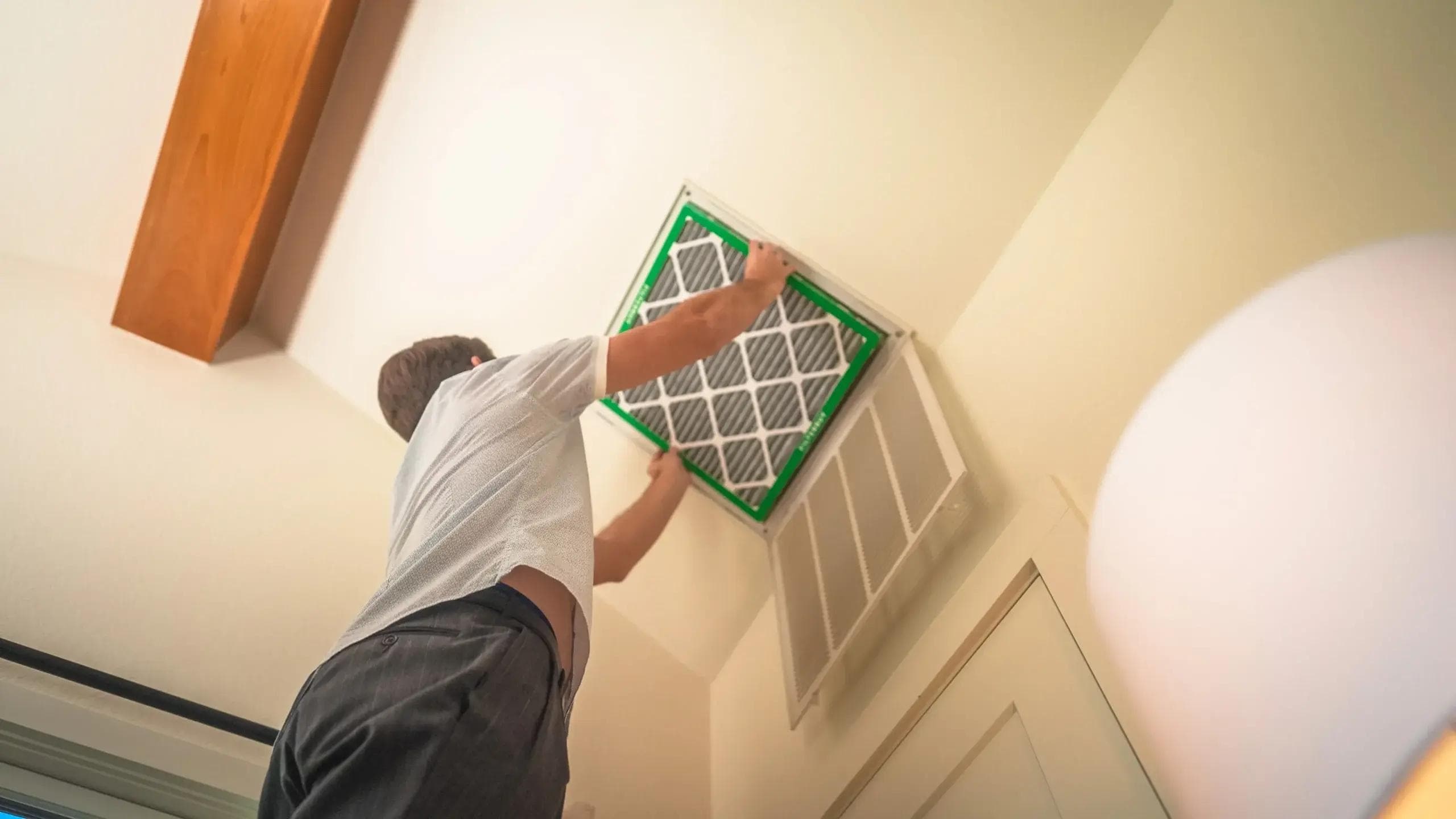
Eco Considerations for Filters in Short-Stay Rentals and Airbnb Properties
Short-stay rentals need practical maintenance choices that work between guests, during cleaning windows and across changing occupancy levels. For filters, that means thinking beyond size and fit to include materials, packaging, storage and how easy the product is to inspect and replace without creating unnecessary waste.
For homeowners, holiday let operators and property managers, the right filter setup can make turnover smoother and help keep plant rooms, ceiling cavities and return-air grilles easier to manage. The goal is not just to capture particles, but to choose products and processes that are sensible for the property, the site conditions and the way the building is run.
Why filter choice matters in short-stay properties
Short-stay accommodation often sees more frequent arrivals, departures and cleaning activity than a typical long-term tenancy. That means the air conditioning and ventilation system may be checked more often, and anything that makes maintenance faster and tidier becomes valuable.
A good filter choice can help in a few practical ways:
- •It can be easier to handle during housekeeping or maintenance visits.
- •It can reduce packaging to sort, store or dispose of after each delivery.
- •It can make it simpler to keep spare filters on hand in a linen cupboard, utility room or maintenance store.
- •It can support cleaner changeovers when filters are replaced as part of a regular inspection routine.
The right product should also suit the equipment. Always follow the filter and equipment manufacturer instructions, and where pressure gauges are fitted, monitor pressure drop so you know when a filter is ready for inspection or replacement.
Materials that suit turnover-friendly maintenance
Filter media and frames vary widely, and the most convenient option is not always the same as the lowest-cost option. In a rental property, durability and ease of handling can be just as important as fit.
Common practical considerations
- •Rigid frames can be easier to insert cleanly and remove without bending or tearing.
- •Pleated filters may offer more filter surface in a compact size, which can be useful where space is tight, provided the system is designed for that type of filter.
- •Lightweight filters are often easier for cleaners or maintenance staff to carry between rooms, plant areas and storage.
- •Some filters are designed to be washable - check the product instructions before assuming a product can be cleaned and reused.
If a property has a more complex mechanical system, do not assume a familiar residential filter will suit it. Some systems require specific dimensions, pressure characteristics or media types. If you are unsure, it is best to check the equipment documentation or speak with a mechanical services professional.
Packaging choices that reduce waste and keep stores tidy
Packaging can create avoidable clutter in properties where supplies are rotated frequently. For short-stay operators, the best packaging is often the one that protects the filter in transit without adding unnecessary bulk at the property.
Look for packaging that is easy to open, easy to flatten and simple to sort after use. That can help housekeeping teams move quickly without leaving excess cardboard, plastic wrap or loose inserts around the site.
Useful packaging features include:
- •Compact cartons sized to the filter rather than oversized shipping boxes.
- •Clear labelling on the outside so staff can identify the filter size before opening.
- •Packaging that keeps dust away from the product during storage and transport.
- •Bulk delivery options where multiple filters are supplied in a single shipment for easier organisation.
If you manage multiple properties, it can also help to keep one storage location for spares, labelled by site and unit type. That reduces the risk of the wrong filter being fitted in a hurry.
Storage and handling between guest stays
A tidy storage process makes turnover easier. Filters that are stored properly are less likely to be damaged, contaminated or accidentally used in the wrong property.
Good storage habits
- •Keep spare filters in a dry, clean cupboard or store room.
- •Store them flat or as recommended by the manufacturer so frames do not warp.
- •Keep them in their original packaging until needed.
- •Label stock clearly by property, system type and size.
- •Separate new filters from used ones so there is no mix-up during busy changeovers.
If your site has several properties, or a mix of split systems, ducted systems and exhaust filtration, keeping an inventory list can save time. That list can include filter dimensions, equipment location and any notes about access panels or ceiling spaces.
If you need help confirming a size, you can use how to measure an air filter before ordering.
Choosing the right filtration level for the property
Not every short-stay property needs the same filtration approach. The best choice depends on the system, the building layout and the site conditions around the property. Beachfront homes, inner-city apartments, rural stays and holiday houses with pets may all have different dust loads and maintenance needs.
Where ventilation or air conditioning design is being reviewed, AS 1668.2:2024 may be relevant, but site requirements should always be confirmed with the mechanical services engineer or building owner. In practice, that means the filter should suit both the equipment and the way the property is used.
When selecting a filter, it helps to think about:
- •The type of system and filter slot size.
- •How much maintenance access is available.
- •Whether the property has regular dust, sand, pollen or cooking residue build-up.
- •How often the system is inspected and by whom.
- •Whether the property owner wants a standardised filter range across several sites.
If you are comparing products across different rating systems, be careful not to assume one rating converts directly to another. MERV, EN 779 and ISO 16890 are different systems, and they do not convert directly. If you are considering a high-efficiency filter for a specific application, HEPA H13 and H14 ratings are defined under EN 1822 at the most penetrating particle size, but they are not suitable for every system.
Making turnover easier for cleaners and property teams
A filter plan should fit into the broader cleaning and maintenance workflow. The easier it is to find, remove, identify and replace the filter, the less disruption it creates during guest changeover.
A few practical habits can make a real difference:
- •Keep a spare filter on site where possible.
- •Use the same filter size across similar units to simplify stocking.
- •Record the filter type in the property handover notes.
- •Check access panels and grilles during routine cleaning, not only when a fault is reported.
- •Replace damaged or crushed packaging before storing spares long term.
For multi-property operators, a standard ordering system can reduce confusion. If you need a non-standard size, custom air filters may be the better option than forcing a near-match into place.
A practical approach for greener, cleaner operations
Eco considerations do not have to be complicated. For short-stay rentals, the best outcomes usually come from choosing the right size and filter type, limiting unnecessary packaging, storing spares properly and keeping maintenance straightforward for the people who do the work.
That approach supports cleaner turnovers, less clutter in storage areas and fewer mistakes during busy booking periods. It also makes it easier to keep the property organised without overcomplicating the maintenance routine.
If your property includes multiple systems, or you are not sure what filter is currently installed, our products can help you compare options, and filter servicing is available if you want support with ongoing maintenance.
Talk to Total Air Filtration
Total Air Filtration is a family-owned air filter manufacturer and supplier in Hillcrest, Brisbane QLD, established 2009. We can supply or make the right filters for short-stay properties, holiday lets and managed rentals, including practical options that suit turnover routines and storage needs.
Call 07 3800 3448 or request a quote. If you would like help with a broader portfolio of properties, you can also contact us or review the industries we supply.
Written by
The Total Air Filtration Team
General information only — always follow the instructions for your filter and system. Have questions about this article? We're here to help.