
Do Restaurants Need the Same Filter Strategy for Dining Areas and Back-of-House?
Restaurants do not have one air problem. The dining area is about comfort, presentation and steady supply air, while the back-of-house is dealing with grease, heat, odour and heavy particulate loading. If both areas are specified with the same filter strategy, one side will usually be overworked, underprotected or simply poorly matched to the job.
For hospitality operators and contractors, the key is to treat front-of-house and kitchen exhaust as two separate systems with different goals, different conditions and different maintenance needs.
Why the dining area and kitchen exhaust are not the same job
The dining room is designed for people, not cooking activity. Its filtration needs are usually centred on keeping supply air clean enough to support a comfortable guest environment and to help protect fittings, finishes and HVAC components from dust build-up.
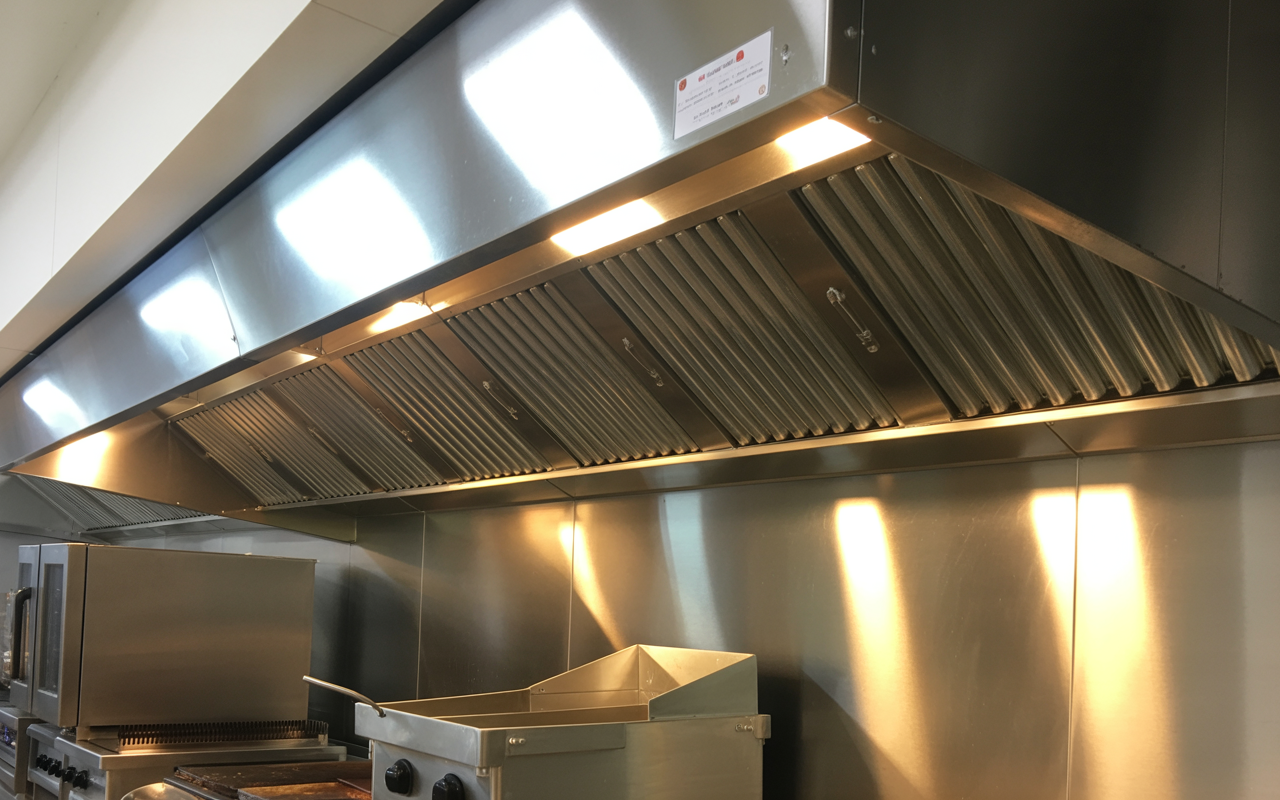
The kitchen exhaust system, by contrast, is part of a high-load cooking environment. It must manage grease-laden air, heat and odour, and it is often working hard for long periods with variable loading depending on the menu and service style.
That is why the filter media, housing, access, pressure drop and maintenance approach should be assessed separately. A filter that makes sense in a dining room air handling unit may not be suitable in an exhaust application, and a grease-focused kitchen arrangement is not the right answer for a comfort supply system.
Front-of-house filtration: comfort, cleanliness and airflow
In the dining area, filtration is usually part of the supply air side. The aim is to capture airborne dust and other particles before air enters the occupied space. Good selection helps the system deliver consistent airflow without unnecessary restriction.
When specifying front-of-house filters, consider:
- •the type of HVAC unit serving the dining area
- •the available filter face area and filter depth
- •the expected dust load from the site and surrounding environment
- •access for inspection and filter servicing
- •whether pressure drop monitoring is fitted and easy to read
In many restaurant settings, the dining area may benefit from a staged approach, with a coarser pre-filter followed by a finer final filter if the system is designed for it. That can help extend filter life and reduce loading on downstream components, but the setup should always suit the fan, cabinet space and designer’s intent.
If you are measuring up replacements for a front-of-house unit, accuracy matters. Frame depth, face dimensions and seal details all affect fit. If you need help with sizing, see how to measure an air filter or speak with the team about custom air filters.
Back-of-house filtration: grease, odour and equipment protection
Kitchen exhaust is a different story. The main issue is not guest comfort, but controlling contaminants created by cooking. Depending on the system, this may involve grease filters, mesh filters or other specialist components designed for high-temperature, high-soiling conditions.
A kitchen exhaust filter strategy needs to account for:
- •the cooking equipment being used
- •the volume and type of vapour and grease produced
- •airflow through the hood and duct system
- •safe access for cleaning and inspection
- •compatibility with the hood and exhaust design
Some filters are designed to be washable - check the product instructions. That said, washability is not universal, and a washable product still needs correct cleaning, drying and reinstatement procedures to perform as intended.
Back-of-house filters are often removed, cleaned or replaced more frequently than dining room filters because the loading is far more intense. If the wrong product is fitted, grease can build up quickly, airflow can be affected and the system can become difficult to maintain.
Why one-size-fits-all specification causes problems
It can be tempting to standardise across a venue, especially when a contractor wants to simplify ordering or a site team wants fewer line items. But a single filter strategy across dining and kitchen areas usually ignores the fact that each system is solving a different problem.
Common issues with a one-size-fits-all approach include:
- •filters that are too restrictive for the air volume required in the dining area
- •filters that are too light-duty for the kitchen environment
- •unnecessary servicing on one side and neglected maintenance on the other
- •poor access because the same product is forced into different housings
- •mismatched performance because the system was never designed for the same duty
If the dining area filter is overloaded, the result is often higher resistance to airflow and a system that is harder to balance. If the kitchen exhaust filter is underspecified, it may load too quickly or be difficult to clean properly. In both cases, the issue is not just the filter itself, but the fact that it was selected for convenience rather than function.
What contractors should confirm before specifying filters
A good specification starts with the system design, not the room type alone. Before ordering filters for a restaurant, confirm the following with the mechanical services engineer or building owner, particularly where AS 1668.2:2024 applies or site-specific requirements need to be checked.
For the dining area
- •unit dimensions and filter slot sizes
- •supply air volume and allowable pressure drop
- •required filter grades for the intended system design
- •access conditions for inspection and change-out
- •whether a pre-filter and final filter arrangement is appropriate
For the kitchen
- •hood type and exhaust configuration
- •grease load from the cooking process
- •cleaning method and access arrangement
- •whether the filter is intended to be removed for manual cleaning or replacement
- •compatibility with the exhaust system materials and enclosure
If the site uses mixed tenancy or a tenancy fit-out is being upgraded, it is worth reviewing both the HVAC and kitchen exhaust paths separately. The dining area may need a filtration refresh even if the kitchen exhaust remains unchanged, or vice versa.
Maintenance should follow the system, not a calendar shortcut
Filter servicing in restaurants should be based on actual conditions rather than a fixed date in the diary. Inspection frequency depends on the system, site conditions and dust load, and the equipment manufacturer’s instructions should always be followed.
Where pressure gauges are fitted, monitor pressure drop to help judge when a filter is loading up. That applies especially in dining area supply systems, where a rising pressure drop can indicate reduced airflow through the unit. In kitchen exhaust systems, visual inspection, cleaning condition and grease loading are just as important as elapsed time.
A practical maintenance plan should include:
- •routine visual checks by site staff or service contractors
- •documented cleaning or change-out procedures
- •spare filters kept to the correct size and specification
- •attention to seal condition and frame damage
- •confirmation that the replacement product matches the original intent
If servicing is being outsourced, make sure the contractor understands the difference between filter servicing for comfort systems and commercial filter servicing for higher-load applications.
Getting the specification right from the start
For hospitality venues, the best outcome comes from matching the filter to the job in each area of the building. Dining spaces need clean supply air and stable airflow. Kitchens need robust grease management and practical maintenance access. Treating them as the same system can create avoidable frustration for operators and contractors alike.
If you are replacing filters, upgrading a tenancy or planning a new fit-out, it helps to review the equipment, the air path and the maintenance access together before ordering. That keeps the specification practical, serviceable and suited to the site.
Talk to Total Air Filtration
Total Air Filtration is a family-owned air filter manufacturer and supplier based in Hillcrest, Brisbane QLD, and we can help match the right filter approach to each part of a restaurant. To discuss supply or made-to-order options, call 07 3800 3448 or request a quote.
You can also view our products or browse the industries we supply for more information.
Written by
The Total Air Filtration Team
General information only — always follow the instructions for your filter and system. Have questions about this article? We're here to help.