
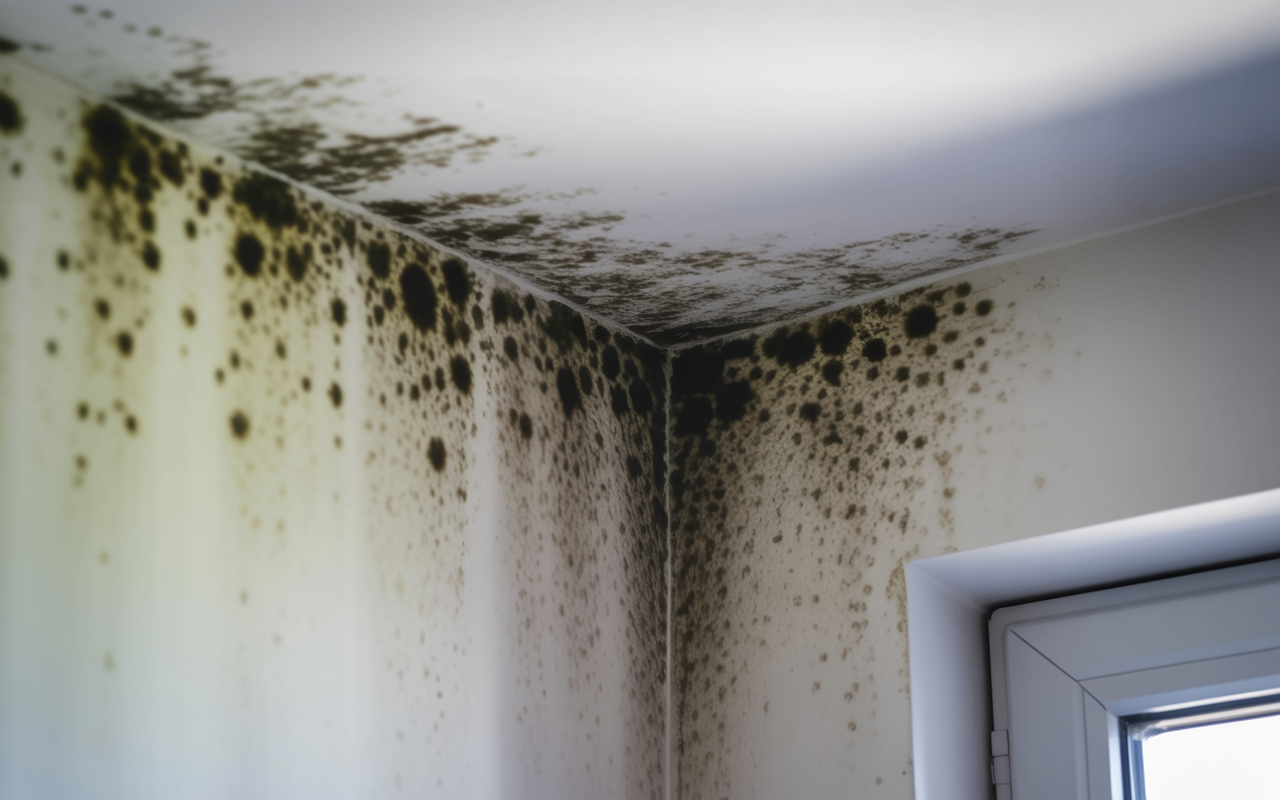
Choosing Air Filters for Hotel Spa and Wellness Areas with High Humidity
Hotel spa and wellness areas place unusual demands on air filtration. Warm, damp air, fluctuating occupancy and the proximity of saunas, steam rooms and treatment spaces can affect both filter life and system stability, so the right selection matters as much as the right maintenance approach.
For hotel operators and mechanical contractors, the aim is to choose filters that suit the air handling system, support consistent airflow and cope with moisture-prone conditions without creating avoidable maintenance issues.
Why spa and wellness areas need a different filter approach
Not every part of a hotel operates under the same conditions. A lobby, guest room corridor and spa plantroom may all be served by similar equipment, but the air quality challenges are very different.
In spa and wellness spaces, common issues include:
- •elevated humidity from showers, steam rooms and wet footwear traffic
- •finer airborne debris from towels, robes, skincare products and general foot traffic
- •odour control requirements, especially where scented treatments or nearby food service areas interact with the air system
- •variable operating patterns, with peak loads at certain times of day
- •moisture transfer risks where ductwork, coils or filter sections are exposed to condensation
The filter selection should be matched to those conditions, not chosen only on initial purchase price or a single rating.
Start with the system, not the filter label
The right filter for a spa area depends on the air handling unit, available space, required airflow and the type of contaminants expected. A filter that is too restrictive can upset air balance, while a filter that is too light for the environment may load quickly and need more attention.
Check the equipment and operating conditions
Before choosing a replacement or upgrading an existing setup, confirm:
- •the filter frame size and installation depth
- •whether the unit uses a single-stage or staged filtration arrangement
- •fan capacity and how much static pressure the system can manage
- •whether the filter section is protected from condensate or splash exposure
- •any site-specific requirements set by the mechanical services engineer or building owner
Where relevant, AS 1668.2:2024 should be considered as part of the overall ventilation design, but site requirements still need to be confirmed for the specific building and equipment arrangement.
If you need help checking measurements for an existing frame, see how to measure an air filter.
Choose media and frame construction for damp environments
High humidity does not automatically mean a filter must be specialised, but it does mean the construction details matter. Moisture can affect certain filter materials, soften cardboard components and increase the risk of distortion if the filter is exposed to poor sealing or intermittent wetting.
What to look for
For spa-adjacent systems, prefer filters with:
- •sturdy frames suited to the installation environment
- •media that holds its shape under normal operating moisture levels
- •well-fitted seals to reduce bypass around the filter edge
- •construction that supports stable airflow as dust builds up
- •corrosion-resistant housings where moisture exposure is likely
If the filter section is close to a steam room, pool zone or shower exhaust path, consider whether the surrounding ductwork also needs inspection for condensation management. A good filter can only do its job if the air path is sound.
Some filters are designed to be washable - check the product instructions before assuming a washable option is suitable for your system.
Match filtration level to the space
A spa area often needs a balance between airflow and particle capture. The goal is not always the highest available filtration level. It is to choose a grade that suits the application, preserves comfortable air movement and avoids overloading the fan.
Common filter selection considerations
- •For prefiltration, many systems use coarse filters to catch larger debris before finer filters take the load.
- •For treatment rooms or air-conditioned wellness zones, a finer final filter may be appropriate where the system and design allow it.
- •In areas with high moisture and variable use, staged filtration can help spread the load and protect downstream components.
- •If odour control is part of the brief, activated carbon filters may be useful in some locations, provided the airflow and housing allow for them.
If your project involves custom dimensions or non-standard frames, see custom air filters or our products for available options.
A note on standards: EN 779 classes such as G3/G4/F5-F9 are still widely used in Australia, even though ISO 16890 has superseded them. MERV, EN 779 and ISO 16890 do not convert directly, so it is best to specify against the system requirements rather than try to force a like-for-like table match.
Humidity, pressure drop and maintenance access
In high-humidity spaces, pressure drop can change as filters load with particles and moisture-related debris. That is why maintenance planning matters as much as initial selection.
Where gauges are fitted, monitor pressure drop and compare it with the manufacturer’s guidance. Inspection frequency will depend on the system, site conditions and dust load, and filter/equipment manufacturer instructions should always be followed.
Design for practical servicing
Good access can reduce service disruption in busy hotel environments. Look for:
- •filter banks that can be reached without disturbing guest areas more than necessary
- •clear labelling of filter sizes and stages
- •space for safe removal and replacement
- •housings that close securely after servicing
- •arrangements that make inspection straightforward for contractors and maintenance staff
If the site uses an ongoing service plan, filter servicing and commercial filter servicing can help keep the filtration system under regular observation without waiting for performance issues to show up in the space.
When to consider specialist filter supply
Some hotel wellness areas have unusual constraints. These can include shallow filter racks, retrofitted plantrooms, mixed-use air systems or unusual humidity patterns near a sauna or steam room. In those cases, standard shelf stock may not be the best fit.
A specialist supplier can help with:
- •replacement filters to suit existing housings
- •non-standard sizes and frame styles
- •staged filtration arrangements for different parts of the air system
- •advice on balancing practical maintenance with airflow requirements
- •support for repeat orders across multiple areas of the property
If you are planning an upgrade, industries we supply is a useful starting point for seeing how filtration solutions can be matched to different commercial environments.
Total Air Filtration is a family-owned air filter manufacturer and supplier in Hillcrest, Brisbane, Queensland, and we work with hotel operators and mechanical contractors to help specify the right filter for the job.
Keep spa filtration practical, stable and serviceable
The best filter choice for a hotel spa or wellness area is the one that suits the air handling system, tolerates the site conditions and remains easy to inspect and replace. In high-humidity spaces, that means paying attention to moisture resistance, sealing, airflow stability and access for maintenance.
If you need assistance selecting a replacement or arranging a made-to-fit option, Total Air Filtration can supply or make the right filters for your site. Call 07 3800 3448 or request a quote. You can also contact us for help with sizing, product selection or ongoing filter support.
Written by
The Total Air Filtration Team
General information only — always follow the instructions for your filter and system. Have questions about this article? We're here to help.