
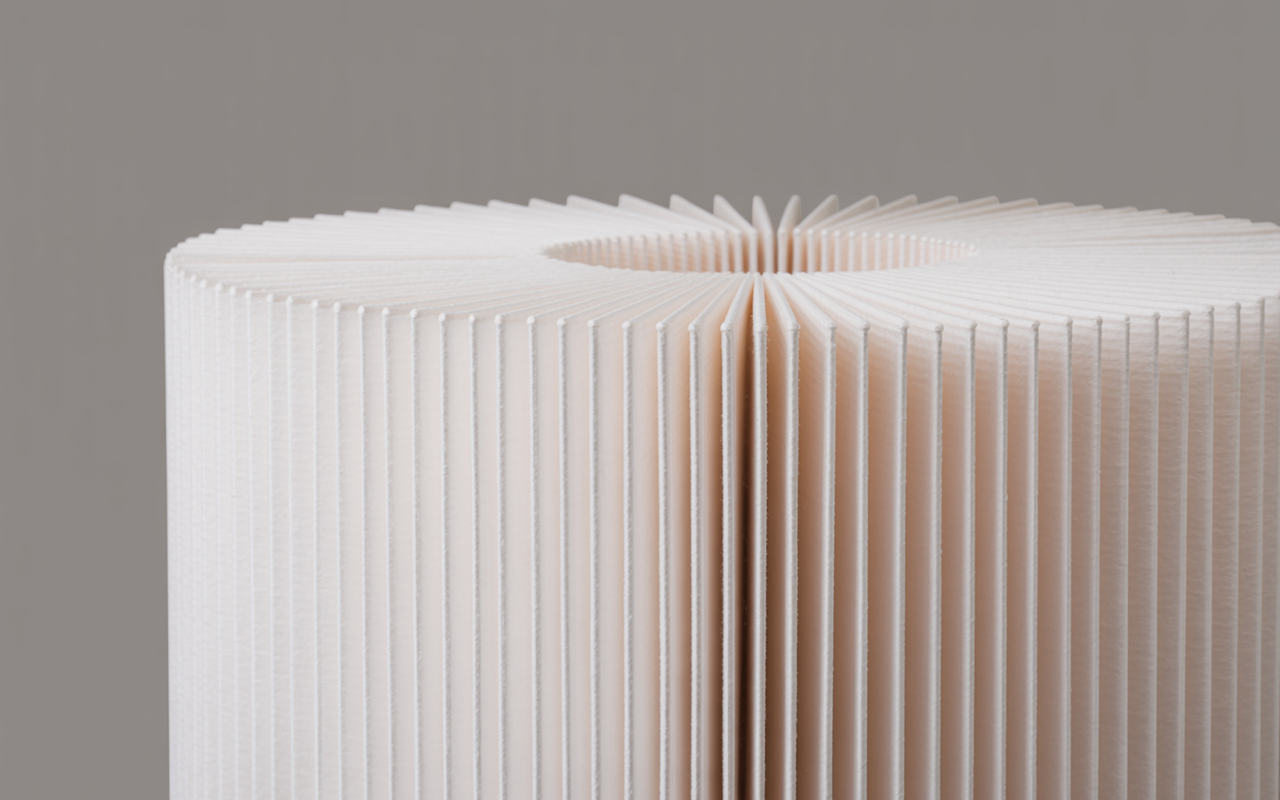
Choosing Air Filters for Dental Clinics: Managing Aerosols, Odours and Comfort
Dental clinics place unique demands on air filtration. Treatment rooms, waiting areas and back-of-house spaces may all need different approaches, and the right solution is often simpler than people expect when the filtration strategy matches the space and the HVAC system.
For practice owners, facility managers and mechanical contractors, the goal is to balance aerosol control, odour management and patient comfort without making maintenance or pressure drop unnecessarily difficult. A well-chosen filter set can help the system capture fine particles, support air cleanliness targets and keep the clinic comfortable to occupy.
Start with the space, not just the filter rating
Before choosing filters, it helps to map how the clinic is used.
A treatment room with high procedure turnover has different air needs from a reception area, sterilisation room or staff amenities space. Aerosol generation, door opening frequency, occupancy and the condition of the ductwork all influence what filter stages make sense.
Consider these points first:
- •Which rooms produce the most airborne particles during normal work
- •Whether the system is recirculating air, bringing in outdoor air, or both
- •How much fan capacity is available for extra resistance
- •Whether the existing filter frames, access doors and seals are in good condition
- •Where odours are most noticeable and whether they are linked to a specific process area
A filter only works properly when the air is actually passing through it. If the frame leaks, the seal is poor or the filter is the wrong size, performance drops regardless of the label on the carton. If you need help confirming dimensions, how to measure an air filter is a useful starting point.
Managing aerosols without overcomplicating the system
Dental aerosols are usually managed through a combination of source control, ventilation and filtration. Filters are one part of that picture, not a standalone answer.
For many clinics, the practical question is whether the system needs a better pre-filter, a finer secondary filter, or a higher-efficiency final stage in selected areas. The answer depends on the air handling unit, the room use and the maintenance access available.
A sensible layered approach
A common approach is to use staged filtration so the first filter catches larger dust and debris, while the finer filter handles smaller particles.
This can help because:
- •The upstream filter takes the wear from lint, dust and general building dirt
- •The downstream filter is protected from loading too quickly
- •The system is often easier to maintain and more stable in airflow
- •Pressure drop can be managed more predictably over time
In Australian practice, filter classes are often discussed using older EN 779 terminology such as G3, G4 and F5 to F9, even though ISO 16890 is now the current standard. Those ratings do not convert directly, so it is best to specify the performance you need rather than trying to force a one-to-one conversion.
For areas where very fine particle capture is required, HEPA may be considered in the system design. Under EN 1822, H13 is at least 99.95% efficient and H14 is at least 99.995% efficient at the most penetrating particle size. Whether that is appropriate depends on the system design and the application.
Odour control in a clinical setting
Dental clinics often need to deal with odours from procedures, cleaning chemicals and general occupancy. Filtration can help, but odour management usually works best when it is planned alongside ventilation and source control.
Standard particle filters do not remove all gaseous odours on their own. If odour control is important, the system may need activated carbon or another media designed for that purpose, subject to the HVAC design and airflow requirements.
When planning odour control, ask:
- •Is the odour coming from treatment areas, bins, sterilisation, toilets or plant spaces
- •Is there sufficient outdoor air and exhaust provision for the room use
- •Will a carbon stage fit within the available filter space and pressure budget
- •Can the filter arrangement be serviced without disturbing the clinic workflow
It is also worth checking whether any odour issue is caused by bypass, poor sealing or duct contamination rather than the filter itself. In that case, replacing filters alone will not solve the underlying problem.
Comfort matters for patients and staff
People often think of filters as a technical item, but they also affect how a clinic feels. A system that is overloaded or poorly matched can become noisy, draughty or inconsistent in airflow. That can affect comfort in waiting areas and treatment rooms.
The main comfort-related factors to keep an eye on are:
- •Airflow balance through the space
- •Noise from fans working harder than they should
- •Temperature stability across rooms
- •Dust fallout from inadequate filtration
- •Odours from loading filters or neglected housings
If the system has a pressure gauge or differential pressure monitoring, use it. Pressure drop is one of the clearest ways to see when a filter is loading and when airflow may be drifting away from the intended design. Inspection frequency depends on the system, the site conditions and the dust load, and you should follow the filter and equipment manufacturer instructions.
Practical selection tips for clinics and contractors
When specifying filters for a dental clinic, keep the selection practical. The best choice is usually the one that suits the air handling unit, the service routine and the actual room use.
Look for these features
- •Correct dimensions and frame style for the housing
- •Filtration stage suited to the room or system function
- •Low enough resistance to work within fan capability
- •Good sealing and robust construction for repeated handling
- •Clear product instructions for installation and inspection
Some filters are designed to be washable - check the product instructions if you are considering that option. Do not assume a filter can be cleaned and reused unless the manufacturer says so.
If the clinic is being refurbished or the system is being reworked, it may be worth reviewing the whole filtration setup rather than replacing one cartridge at a time. That may include supply air, return air and any local exhaust components. For broader support across different site types, see industries we supply and our products.
Working to the ventilation design, not against it
In Australia, ventilation requirements should be considered with reference to AS 1668.2:2024, but the site-specific solution should be confirmed with the mechanical services engineer or building owner. The filter arrangement should suit the design intent of the HVAC system, rather than forcing the system to operate outside its intended range.
That matters because a filter with the wrong resistance or size can affect airflow balance, increase maintenance issues or create bypass if the housing does not seal well. For clinics, that can mean more complaints about comfort, odours or inconsistent performance.
A good contractor will look at:
- •Available fan capacity
- •Housing dimensions and access
- •Filter stage sequence
- •Maintenance access and safe changeout method
- •Whether any custom sizes are needed
If the standard size does not fit, custom filtration can be the simplest answer. custom air filters may be a better fit than forcing a near-match into a housing that was never designed for it.
Getting the right filter without overengineering it
Dental clinics do not need the most complicated filtration system available. They need a system that captures particles effectively, supports odour management where needed and keeps the space comfortable and maintainable.
That usually means choosing the right combination of pre-filtration, finer filtration and, where justified, odour media or higher-efficiency filtration. Start with the room use, confirm the system constraints and then select filters that fit the maintenance plan.
Total Air Filtration is a family-owned air filter manufacturer and supplier in Hillcrest, Brisbane QLD, and we work with clinics, contractors and facility teams who need practical filtration advice. If you would like help matching filters to your dental clinic, call 07 3800 3448 or request a quote.
You can also contact us if you want to talk through a replacement, a custom size or a service plan.
Written by
The Total Air Filtration Team
General information only — always follow the instructions for your filter and system. Have questions about this article? We're here to help.