
Choosing a Moisture-Resistant Frame for Brisbane Wet Season Conditions
Brisbane’s wet season can be tough on air filters. High humidity, occasional condensation and damp plant rooms can all affect how well a frame holds its shape, seals against the housing and keeps the filter media supported.
If you are choosing filters for a home, office, school, workshop or other facility in Brisbane, the frame matters just as much as the media. A moisture-resistant frame can help the filter stay intact in challenging conditions, while the wrong material may warp, corrode or allow air to bypass the filter altogether.
Why moisture resistance matters in Brisbane
Humidity alone does not usually damage a good filter frame overnight, but repeated exposure to damp conditions can create problems over time. In wet season conditions, condensation may form on cooler ductwork, filter housings or nearby surfaces. If the filter frame is not suited to that environment, it may absorb moisture, swell, rust or weaken at the joints.
That can lead to practical issues such as:
- •the filter not sitting squarely in the frame
- •seal leakage around the edges
- •frame corrosion that makes removal difficult
- •media damage where the frame loses stiffness
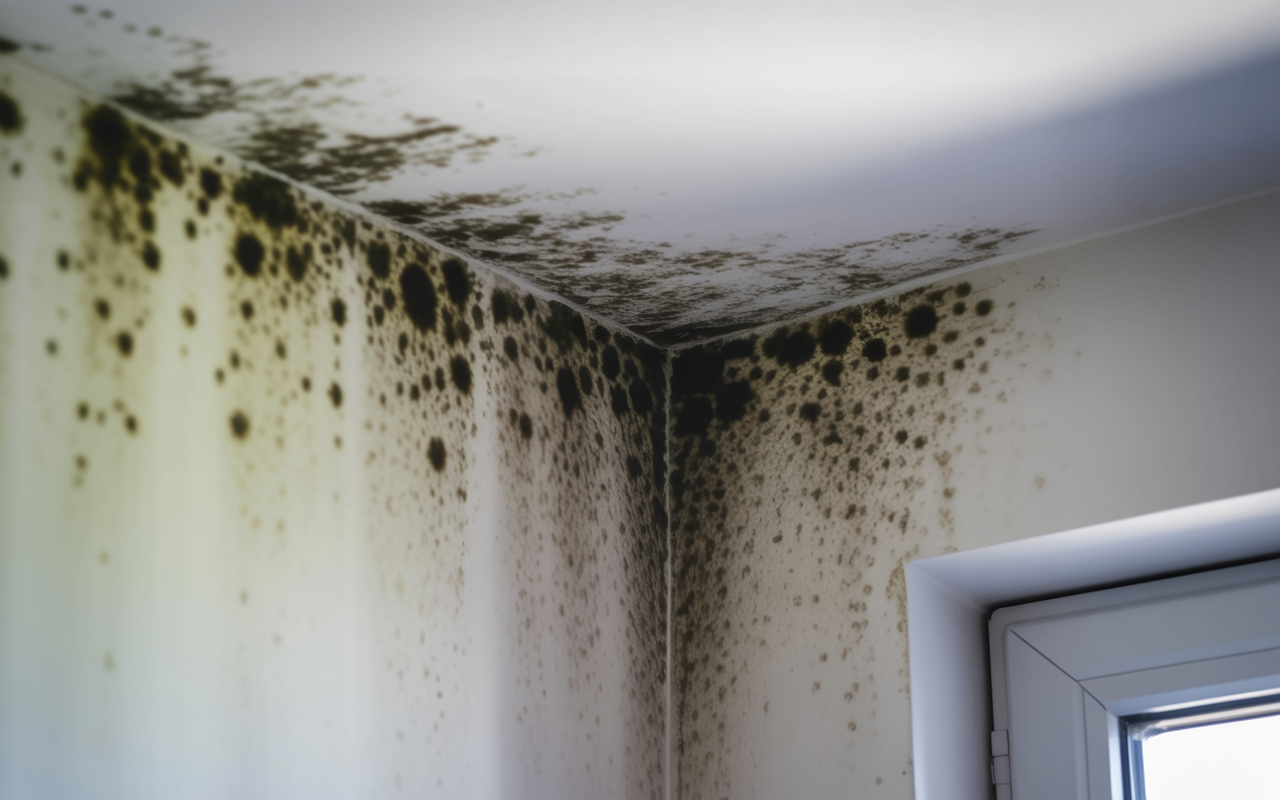
- •increased risk of mould growth on dusty, damp surfaces
For facilities managers, these problems can show up as nuisance maintenance, uneven airflow or premature replacement. For homeowners, it can mean a filter that looks intact but no longer fits or seals properly.
Frame materials that handle moisture better
Galvanised steel
Galvanised steel is widely used because it offers good strength and is suitable for many HVAC applications. The zinc coating provides a protective layer against corrosion, which is helpful in humid conditions.
It is a sensible option where the filter housing is exposed to occasional condensation but not constant saturation. However, if the coating is scratched during handling or installation, exposed steel can still corrode at cut edges, folds or fasteners.
Look for:
- •clean folded edges rather than rough cut edges
- •good-quality coating coverage
- •careful handling to avoid damaging the surface
- •secure corner construction that does not trap moisture
Aluminium
Aluminium is a strong choice where moisture resistance is important. It does not rust in the same way as plain steel, which makes it useful in humid or damp indoor environments.
It is often chosen for lighter-weight frames and applications where corrosion resistance is a priority. Aluminium can still suffer from surface staining or pitting in harsh conditions, so the overall design and sealing details still matter.
Stainless steel
Stainless steel is generally the most moisture-tolerant metal frame option, especially where condensation is more likely or where cleaning is more frequent.
It can be a practical choice for demanding environments such as plant rooms, food areas or other sites where a robust frame is needed. It is not automatically the right answer for every system, but where damp exposure is a real concern, stainless steel is often worth considering.
Cardboard and paperboard frames
These can be suitable in dry indoor applications, but they are not ideal for damp, humid or condensation-prone conditions. Cardboard frames may soften, lose stiffness or deform if moisture is present.
If the filter housing is in a conditioned space with little risk of condensation, cardboard frames may still be acceptable for some applications. In Brisbane wet season conditions, though, they need careful assessment.
Construction details that improve performance
The frame material is only part of the story. A well-made frame can perform better in humidity than a heavier material with poor construction.
Look for rigid corners and neat joins
Corner joints are often where moisture first causes problems. Weakly glued or poorly folded corners can open slightly when exposed to humidity, allowing air to bypass the filter.
Better details include:
- •square, tight corners
- •consistent folds with no sharp gaps
- •reinforced joins where the frame is under load
- •edges that do not fray, splinter or peel
Check the seal interface
A moisture-resistant frame still needs a reliable sealing surface. If the filter is going into a housing that sees condensation, the perimeter should sit flat and stable against the frame or gasket.
Useful features include:
- •integral gaskets or clearly specified sealing strips
- •frames that keep their shape under normal handling
- •surfaces that are smooth enough to seat properly
- •no distortion around the edges after installation
Consider edge protection
Cut edges and exposed fasteners are common weak points in damp conditions. Over time, they can become the first places to show corrosion or separation.
Where possible, choose designs with:
- •folded or hemmed edges
- •protected corners
- •minimal exposed raw metal
- •fittings that do not create moisture traps
Match the frame to the environment
A frame that works well in a dry office ceiling may not be the best choice for a laundry, basement plant room or coastal-ish indoor environment with persistent humidity. Site conditions matter, along with dust load, airflow and how often the system is accessed.
If you are unsure, it is sensible to check the filter selection against the equipment manufacturer’s instructions and, for building services applications, confirm site requirements with the mechanical services engineer or building owner. For ventilation work, AS 1668.2:2024 may also be relevant to the system design context.
Practical choices for homes and facilities
For homeowners
In domestic systems, moisture concerns often arise in roof spaces, garages, laundries or air handlers located in cooler parts of the building. A frame that resists warping can help the filter keep its shape when the weather changes.
If you are measuring a replacement filter, accurate dimensions matter because a poor fit can create bypass even if the frame material itself is suitable. Our guide on how to measure an air filter can help before you order.
If the system has limited space or an unusual size, custom air filters may be the better option than forcing a standard size into a compromised fit.
For facility managers
In commercial and industrial settings, the frame choice should reflect the site environment, access frequency and any cleaning regime.
Moisture-resistant frame selection is especially worth reviewing when:
- •filter housings are located in humid plant rooms
- •condensation appears on nearby surfaces
- •the site has frequent wash-down or cleaning activity nearby
- •the filter banks are difficult to access and must stay stable between inspections
If you manage multiple sites, it can help to keep the same frame material specification where the environment is similar, so maintenance staff know what to expect when filters are removed and replaced.
Washability, inspection and servicing
Some filters are designed to be washable - check the product instructions. That said, washability and moisture resistance are separate questions. A filter that can be washed is not automatically the best choice for a damp environment, and a moisture-resistant frame does not mean the filter media itself should be cleaned with water.
Inspection frequency depends on the system, site conditions and dust load. Follow the filter and equipment manufacturer instructions, and monitor pressure drop where gauges are fitted. If the frame begins to rust, swell, bow or lose its seal, that is a sign the material or construction may not be right for the application.
For ongoing support, filter servicing and commercial filter servicing can help keep the system working as intended, especially where humidity makes regular checks more important.
Choosing the right frame for Brisbane conditions
For Brisbane wet season conditions, the best frame is usually the one that matches the environment rather than the cheapest option on paper. Galvanised steel can suit many standard applications, aluminium is a strong moisture-conscious choice, and stainless steel is worth considering where condensation or frequent damp exposure is expected.
Just as important are the details: tight corners, protected edges, stable seals and a frame that keeps its shape after handling and installation. When those elements are right, the filter is more likely to stay seated properly and perform as intended in humid weather.
If you need help selecting a suitable filter frame or a made-to-measure option, Total Air Filtration is a family-owned air filter manufacturer and supplier in Hillcrest, Brisbane QLD. Call 07 3800 3448 or request a quote. You can also browse our products or contact us for more information.
Written by
The Total Air Filtration Team
General information only — always follow the instructions for your filter and system. Have questions about this article? We're here to help.